The crisis of pan-African integration and the formation of competing blocs
Brief description: The central trend in January-February 2026 is the disintegration of regional alliances and the transition from a pan-Africanism model to a system of competing military-political blocs. The paper examines the institutional gap in West Africa (the withdrawal of the Sahel countries from ECOWAS), the crisis of legitimacy of the elections in Uganda and the risk of a resumption of inter-state war in the Horn of Africa. The consequences of the assassination of Saif al-Islam Gaddafi for the stability of Libya and Egypt’s diplomatic activity in the structures of the African Union are analyzed. A polar dynamic has been revealed in the humanitarian field: the successful lifting of the monkeypox emergency regime contrasts with the escalation of violence in South Sudan and climate threats in Central Africa.
Preface
At the beginning of 2026, global interest in the African continent continues to grow, but this external dynamic is facing a serious internal challenge — the disintegration of traditional regional alliances. The intensification of geopolitical rivalry and internal instability calls into question the stability of the existing security architecture. In these circumstances, there is an urgent need for a scientific analysis of how the deepening internal rifts and institutional crises affect the collective subjectivity of the continent and its ability to act as a single actor in international relations.
The purpose of this work is to analyze the key political, military and humanitarian events that took place in January-February 2026, as well as to identify the main trends of political transformation in various subregions of Africa.
The study revealed that the political landscape of early 2026 is characterized by a sharp polarity of processes. Against the background of the successful consolidation of efforts in the field of healthcare (the lifting of the mpox emergency regime) and the intensification of Egyptian diplomacy, a fundamental institutional gap has deepened on the continent. The key markers of disintegration were the official withdrawal of the Sahel States from ECOWAS, the threat of a resumption of inter-State war in the Horn of Africa, and the escalation of violence in South Sudan and Libya. The political dynamics of January-February 2026 indicates a structural shift from the paradigm of “one continent” (Panafricanism) to the model of “competing blocs” and situational alliances. This transformation is destroying the previous mechanisms of regional integration, which requires a significant revision of the strategies of both internal factors and external partners of Africa.
East Africa Parliamentary and presidential elections in Uganda.
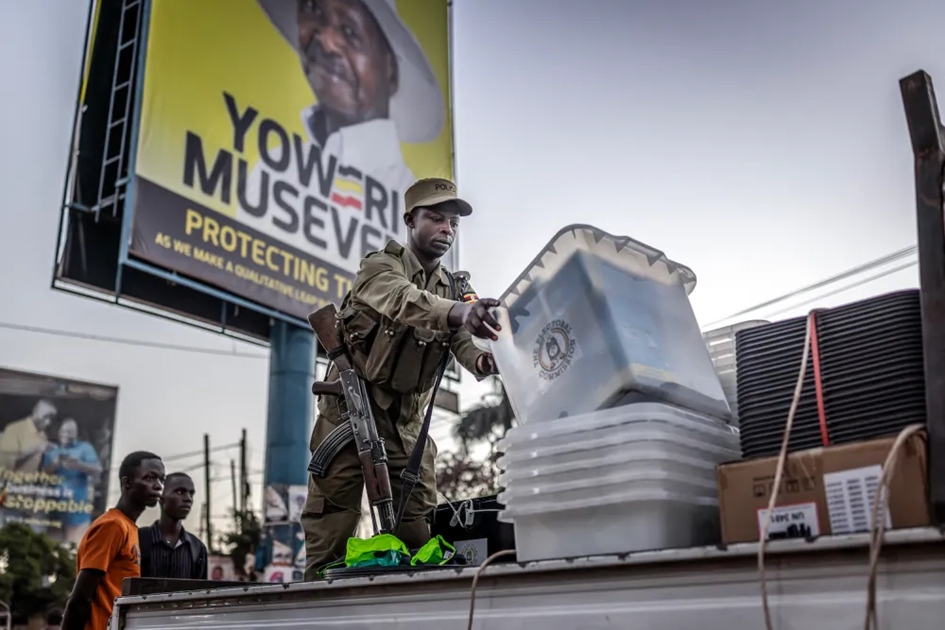
On January 15, 2026, the Republic of Uganda held its seventh presidential and parliamentary elections since the restoration of multiparty rule in 1995. A joint mission of the African Union (AU), COMESA and IGAD was deployed to assess their compliance with democratic standards. Under the leadership of former Nigerian President Goodluck Jonathan, 84 observers from 27 countries monitored the electoral process at 488 polling stations across the country.
The mission noted that the 2026 campaign was held in a more relaxed atmosphere compared to 2021, however, the process was accompanied by a deep polarization of society and military intervention. A serious blow to the credibility of the elections was caused by the shutdown of the Internet two days before the vote, which limited the right of citizens to information. Experts also pointed out the imperfection of the legal framework: the absence of a campaign finance law and high registration fees have created barriers to the participation of women, youth and people with disabilities.
Mwai Daka and Kakvenza Rukirabashaya note that the presidential elections were held in an atmosphere of hopelessness and artificially created silence. The campaign was characterized by militarization and prosecution. Opposition veteran Kizza Besigye has been in custody since November 2024, and the main rival to the government, Bobi Vine, has been forced into hiding since January 16, 2026 after police raids. Yoweri Museveni secured his seventh term with 71.65% of the vote. However, the record low turnout (52.5%) indicates the massive distrust of citizens in the process.
At the same time, the voting day was marked by significant technical difficulties. The opening of the sites was delayed by an average of three hours due to the late delivery of materials and massive failures in the operation of biometric verification systems (BVVK). In a number of districts, voting began only by noon, which forced the commission to allow the transition to manual verification of the lists. Despite these delays, the voters showed exceptional patience and calmness.
Based on the results of the observation, the mission developed a number of recommendations. The Government of Uganda has been asked to ratify the African Charter on Democracy, guarantee Internet freedom and provide conditions for civil society to work. The Parliament is recommended to reform the procedure for appointing Election Committee members and limit campaign spending in order to eliminate their commercialization. The Election Commission itself should test new technologies in advance and reduce financial barriers for vulnerable groups of candidates.
Ethiopia, Eritrea and Tigray: the threat of a new war in the Horn of Africa.
Three years after the end of the bloody war of 2020-2022, the risk of renewed hostilities between Ethiopia, Tigray and Eritrea remains critically high. The peace agreement in Pretoria, which stopped the previous conflict, has created new lines of tension that threaten to escalate into a full-fledged war.
Ethiopian Prime Minister Abiy Ahmed openly declares the need to restore the country’s access to the Red Sea, calling the lack of access to the ocean “unnatural.” Eritrea fears that Ethiopia is planning a military invasion to seize the port of Assab. There has been a split in the region within the Popular Front for the Liberation of Tigray (PFOT/TPLF). In March 2025, the “old guard” of the party overthrew the head of the interim administration, Getachew Redu, who was considered loyal to the Aiib. The new leadership became close to Eritrea, its former enemy, on the basis of a general distrust of the federal center. In January 2026, clashes took place in the disputed area of Tselemti between Tigray forces and federal troops. Addis Ababa responded with drone strikes and a military buildup on the region’s borders.
Relations between Ethiopia and Eritrea, former allies in the last war, have deteriorated completely. Asmara supports the Fano rebels in Ethiopia’s Amhara region, while Addis Ababa hosts Eritrean opposition groups. The situation is aggravated by the civil war in Sudan: Ethiopia is leaning towards supporting the Rapid Reaction Force (RSF), while Eritrea and Tigray are focusing on the Sudanese army. Despite the aggressive rhetoric and the preparation of armies, the parties have so far avoided an all-out war. Abiy fears economic isolation and loss of IMF support, as well as the difficulties of a two-front war. Eritrea understands that a direct conflict with the much larger Ethiopia poses an existential threat.
The International Crisis Group calls on the international community (the African Union, the United States, the EU, China, Saudi Arabia) to urgently establish shadow communication channels between the parties. The main goal is to prevent accidental escalation due to local skirmishes and convince Ethiopia to seek access to the sea exclusively through diplomatic means, while guaranteeing Eritrean sovereignty.
West Africa
Withdrawal of the Sahel States Alliance
January 29, 2025 was marked by a historic split in West Africa: Mali, Burkina Faso and Niger, which formed the Alliance of Sahel States (AES), officially withdrew from the Economic Community of West African States (ECOWAS). This event has become the most serious crisis of regional integration since the founding of the bloc in 1975. Although there has already been a precedent for withdrawal (Mauritania left the bloc in 2000 to move closer to the Maghreb), the current break has much deeper consequences due to the strategic importance of the Sahel region and the severity of security concerns.
The reasons for the exit are complex. The key trigger was the ineffective reaction of ECOWAS to the military coup in Niger in July 2023. The use of harsh sanctions and threats of military intervention instead of diplomatic dialogue proved counterproductive. The crisis also exposed the organization’s structural problems: the inability to deal with terrorism and insurgency, the economic discontent of the member countries (in particular, dependence on the CFA franc) and sovereignty issues. The AES countries, seeking to get rid of perceived Western and French influence, shifted their focus to alternative partners such as Russia, which accelerated their exit.
The consequences of a breakup are critical for all parties.:
1. As landlocked States, they face the risk of economic isolation, increased cost of access to ports, and declining foreign direct investment. They will have to create their own institutions of cooperation from scratch, including a confederation and a military contingent of 5,000 people.
2. Coastal countries will face disruption of trade routes and economic decline in port areas. In terms of security, the region is becoming more vulnerable, which threatens to increase illegal migration and human trafficking. Institutionally, ECOWAS is losing political weight, negotiating power and the status of a model of regional integration.
At the level of the African Union (AU), this precedent calls into question the strategy of the “Agenda 2063”, according to which regional economic communities serve as the foundation of continental unity. There is a shift from geographical economic blocs to situational alliances based on security issues. This poses risks to the African Continental Free Trade Area (AfCFTA) and the continent’s security architecture. Nevertheless, the reaction of ECOWAS on the day of the entry into force of the withdrawal was pragmatic. In contrast to the previous harsh rhetoric, the organization has introduced transitional mechanisms that preserve visa-free travel, recognition of documents and trade privileges for citizens of AES countries, leaving the “doors open” for future cooperation. However, these measures only mitigate the consequences, but do not solve the fundamental problem of the gap between the Sahel and the coastal States, which requires a deep revision of the instruments of regional integration in Africa.
Assassination attempt on the President of Burkina Faso
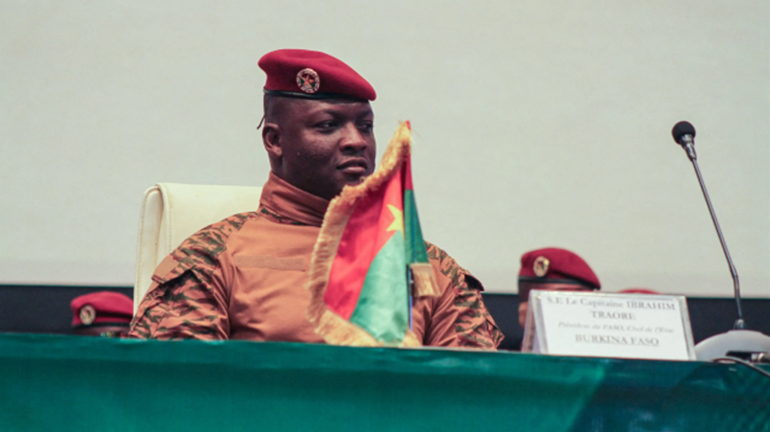
On January 6, the Government of Burkina Faso announced that security forces had foiled an alleged coup plot against President Ibrahim Traore. The authorities claim that the operation planned for Saturday evening included assassinations and coordinated military actions. Former transitional leader Paul-Henri Sandago Damiba has been identified as the main suspect, and investigations and arrests are continuing across the country.
On Tuesday evening, the Burkina Faso government said security services had prevented what officials called a planned coup attempt against President Ibrahim Traore. According to the authorities, the plot was uncovered before it could be carried out, and intelligence units played a crucial role in preventing the operation.
Authorities said arrests were continuing and all suspects would be transferred to the prosecutor’s office for trial. Sana added that video recordings of confessions of some of the interrogated will be shared with the media. He urged citizens to remain calm, stressing that the situation is under control. This statement followed public unrest caused by online statements about attempts to destabilize, and came against the background of the recent history of coups in Burkina Faso, which is closely watched by regional players and countries such as Turkey.
Central Africa
National start in the DRC
On January 28, 2026, in Kinshasa, DRC Prime Minister Judith Suminwa Tuluka officially opened a national seminar dedicated to the launch of EW4All. The event, organized with the participation of the Office of the Deputy Prime Minister for Internal Affairs, gathered about one hundred delegates, including government officials, risk management experts and representatives of civil society.
During the meeting, Kamal Kishore, Special Representative of the UN Secretary-General for Disaster Risk Reduction (UNDDRR), provided important statistics: having an alert system activated at least 24 hours before the disaster can reduce economic damage by 30% and mortality by six times. The DRC authorities view the initiative as a historic opportunity to move from reactive disaster management to proactive risk management. The result of the work should be a national roadmap for the development of warning systems.
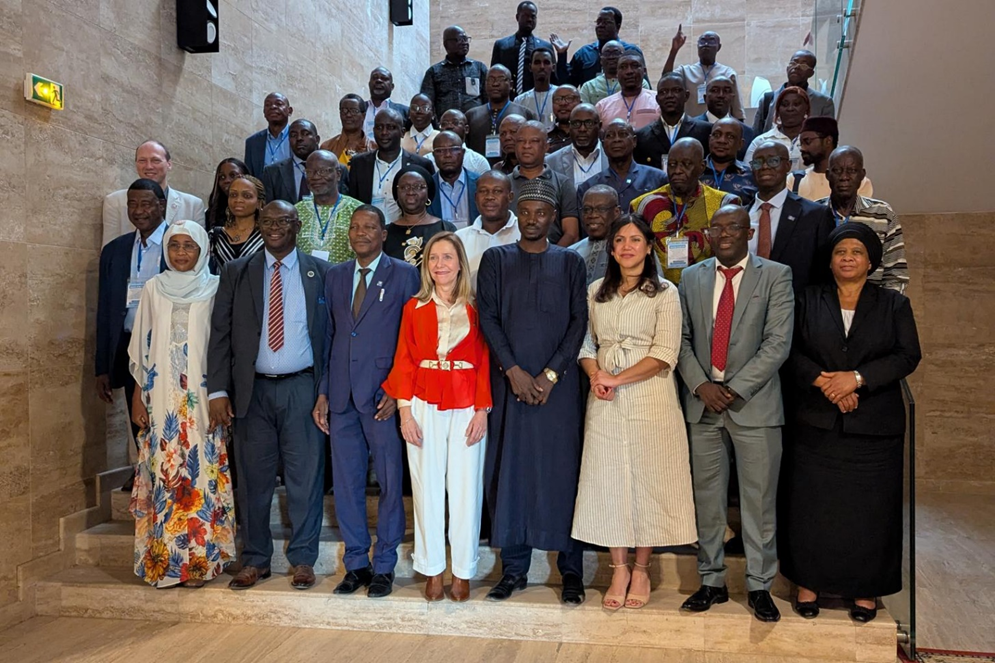
Workshop on strengthening climate security in Central Africa.
This was followed by a high-level regional workshop organized by WMO, UNDRR and the Economic Community of Central African Countries (ECCAS) in N’Djamena, Chad, from 10 to 12 February 2026. The focus has shifted to strengthening cooperation between national meteorological services and civil protection agencies in the region.
WMO Secretary General Celeste Saulo stressed that currently 40% of the world’s countries do not have early warning systems for multiple hazards, and many of them are located in Africa. “We cannot afford not to work together,” Saulo said, calling for political consolidation of efforts and the elimination of duplication of functions. The participants noted the critical vulnerability of the region’s economies. In Chad, frequent floods and droughts are hitting the agricultural sector, which provides employment for 80% of the population and generates 21% of GDP. Climate shocks cause cascading effects, threatening food security and the health of the nation.
In response to these challenges, WMO is actively assisting countries in gaining access to finance. Successful projects were given as an example:
• In Burkina Faso, WMO is implementing a warning systems modernization component worth USD5.2 million under a grant from the Green Climate Fund.
• A project has been launched in Chad with the support of the CREWS initiative and the World Bank to strengthen hydrometeorological capacity.
The common conclusion of both meetings was the understanding that an accurate weather forecast is not enough. A functioning notification infrastructure is needed, which is guaranteed to convey information to every resident and prompt timely action.
North Africa
The assassination of Saif al-Islam Gaddafi
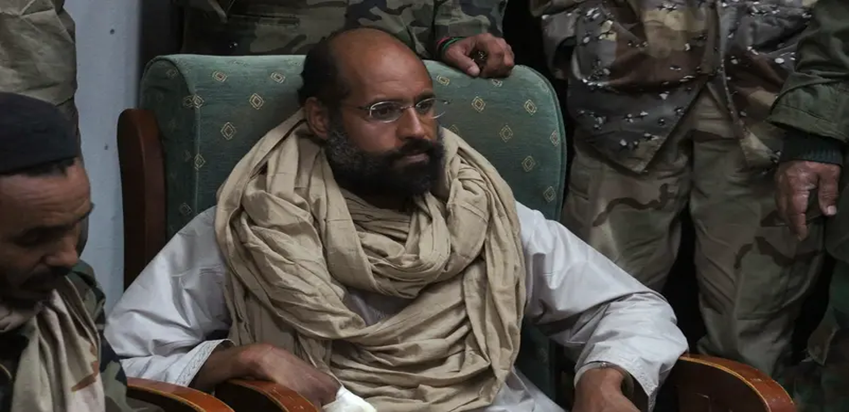
On February 3, 2026, Libya was shocked by the news of the assassination of Saif al-Islam Gaddafi, the son of the country’s longtime leader Muammar Gaddafi. Four armed men reportedly entered his residence in the city of Zintan and shot him dead. This crime is much like a detective mystery. Rumors abound about the identities of the perpetrators and their motives, but no group has claimed responsibility for fear of possible retaliation.
Saif’s removal is politically beneficial to the two main forces of the divided country: the Government of National Unity (GNA) in Tripoli, led by Abdelhamid Dbeiba, and the Haftar family, which tightly controls the east and south of Libya. For many Libyans, Saif remained a symbol of an alternative path of development. Back in the 2000s, he initiated reforms to liberalize the state, and during the 2011 uprising predicted economic collapse and “rivers of blood.” When his gloomy prophecies began to come true, even some supporters of the revolution began to sympathize with his fate, disappointed in the endless crisis.
Saif al-Islam was the only figure capable of uniting the “green”, pro-Gaddafi communities in cities such as Sirte, Bani Walid and Sebha. His real threat lay not in having his own army (he had been isolated in recent years), but in his enormous political potential. In 2021, his attempt to run for president caused quite a stir. Competitors feared that he could win the election or become an influential shadow leader.
He posed a particularly strong threat to the Haftar clan, whose army historically relied on former Gaddafi regime commanders. Given Khalifa Haftar’s advanced age, his successor, Saddam’s son, risked facing the defection of these loyalists to Saif’s side. Now, the assassination will make it much easier for the Haftars to consolidate troops under their sole control. Saif’s death reinforces the status quo and the power of the current elites. However, this stability is achieved solely through coercion rather than social consensus, which makes it extremely fragile.
Diplomatic leadership: Egypt at the head of the Security Council of the African Union.
In February 2026, Egypt assumed the rotating chairmanship of the African Union Peace and Security Council (AU-PSC) for one month. This mandate comes at a critical time when the African continent is facing escalating political and military challenges. The Egyptian Foreign Ministry has unveiled an extremely intense agenda designed to enhance the Council’s effectiveness as the main body for maintaining stability in the region.
Cairo’s strategy is based on the principles of the Founding Act of the African Union: respect for State sovereignty, respect for territorial integrity and strict non-interference in the internal affairs of countries. Central to the February agenda were the continent’s most explosive conflicts, the protracted crises in Sudan and Somalia. Egypt’s plans include informal ministerial consultations with the Sudanese Foreign Minister and two special profile sessions dedicated to resolving these hot spots.
In addition to the traditional armed conflicts, Egypt has brought completely new threats to the Council for discussion. The program included debates on the impact of global climate change, the use of artificial intelligence in public administration and peace-building, as well as the direct link between food security and political stability. An important procedural step was the approval of the annual report on the state of peace in Africa for the upcoming large-scale summit of the heads of State of the African Union.
As part of his current mandate, Egyptian Foreign Minister Badr Abdelatti held a series of important telephone conversations, including with the Foreign Ministers of Angola and Kenya, to coordinate diplomatic efforts. The Egyptian leadership urged the union’s structures to play a more proactive role in crisis prevention and actively expand cooperation with relevant institutions such as the Cairo International Center for Conflict Resolution and Peace-building.
Sub-Saharan Africa
Cancellation of the Mpox emergency: the triumph of healthcare
January 22, 2026 was a landmark date for public health in Africa. Dr. Jean Kaseya, Director General of the African Center for Disease Control and Prevention (Africa CDC), officially announced the lifting of the emergency status of continental significance, which was urgently introduced in August 2024.
A year and a half ago, the continent faced an unprecedentedly serious threat: in 2024 alone, more than 80,000 suspected cases of Mpox infection and over 1,340 deaths were reported, mainly in the Democratic Republic of the Congo. The situation was greatly complicated by the shortage of vaccines. However, the mobilization of the international community has brought phenomenal results. Africa CDC has managed to attract more than $1 billion in targeted funding. More than five million doses of vaccines were promptly delivered to sixteen of the most affected countries, and the capabilities of local laboratories were significantly expanded.
Thanks to these coordinated measures, the number of confirmed cases decreased by 60% in early 2026, and the death rate dropped from 2.6% to 0.6%. The lifting of the emergency status means a systematic transition to a special “Roadmap”, which implies systematic work on long-term control and elimination of endemic foci by the forces of the African States themselves.
The “perfect storm” in South Sudan
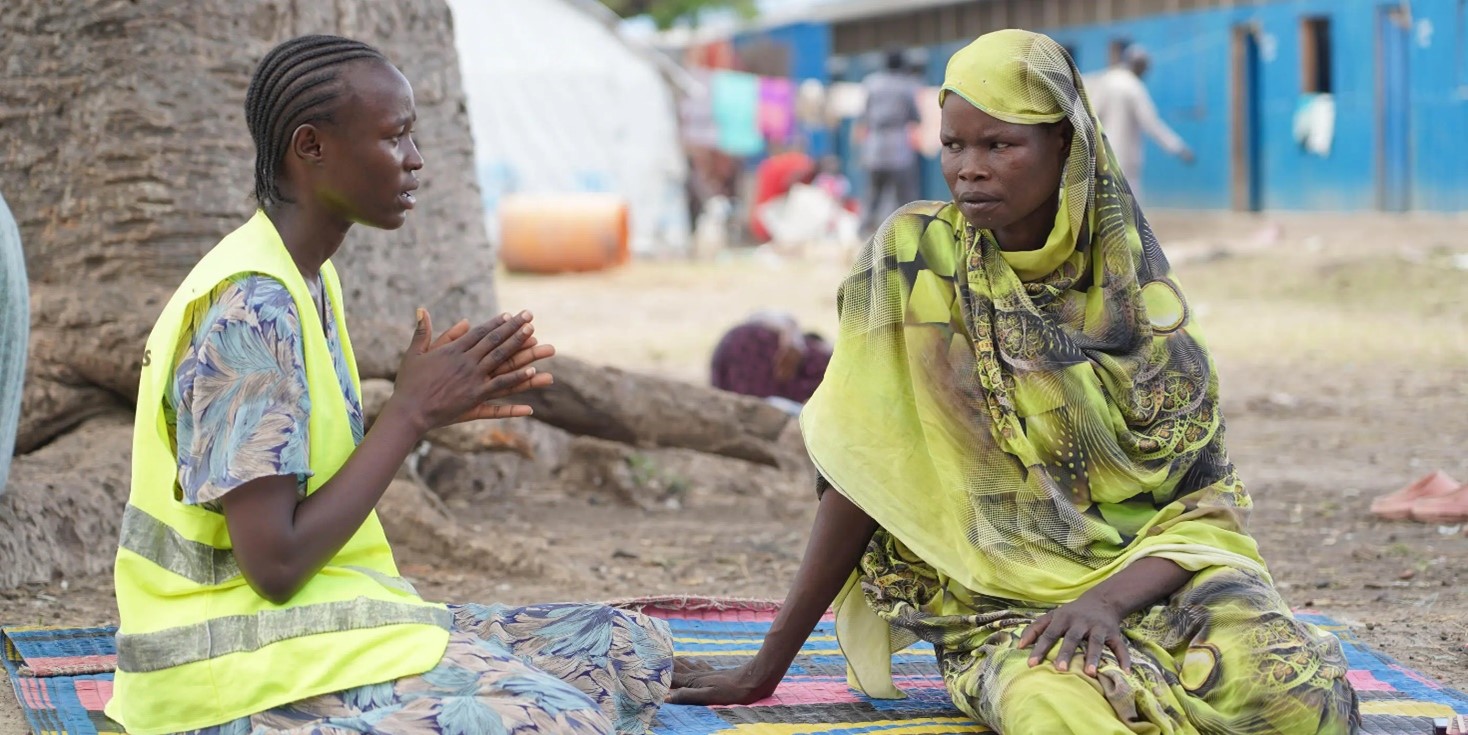
While the medics were celebrating their well-deserved victory, a different kind of tragedy was rapidly unfolding in East Africa. In February 2026, large-scale armed clashes broke out in Jonglei State (South Sudan) between government forces (SSPDF) and armed opposition forces (SPLA-iO). The resumption of fierce fighting has provoked a huge wave of forced internal migration.
According to official UN data, due to the sharp escalation of the conflict, about 280,000 civilians were forced to flee their homes in panic in the northern and central regions of the state. The situation is critically aggravated by targeted militant attacks on infrastructure. At least 13 medical facilities were destroyed during the fighting. Humanitarian missions were under direct threat: from February 7 to February 16, three employees tragically died in the region trying to deliver aid to refugees.
The ongoing cholera epidemic has added to the severity of this crisis. Due to the absolute unsanitary conditions in the camps and the lack of clean water, the number of cases exceeded 98,000 people. Tom Fletcher, the UN Undersecretary General for Humanitarian Affairs, who visited the region in February, called the situation a “perfect storm” in which conflict, climate change and extreme poverty are inextricably intertwined.
Conclusion
The key trend was the destruction of the monopoly of traditional regional organizations (ECOWAS, IGAD) on security and conflict moderation. The withdrawal of the Sahel countries from ECOWAS and the actual failure of electoral institutions in Uganda demonstrate that the old mechanisms of “soft power” and diplomatic pressure no longer work. The idea of pan—African integration is being replaced by realpolitik, the formation of rigid military-political blocs (the Alliance of Sahel States) and situational alliances (Eritrea—Tigray) focused on the survival of regimes rather than on democratic development.
At the same time, there is a paradox: technical and humanitarian cooperation (the fight against Mpox, climate initiatives in the DRC and Chad) is showing high efficiency, while the political sphere is rapidly deteriorating. This indicates that Africa has the resource and managerial potential to solve global problems, but it is blocked by archaic conflicts over territories (Ethiopia—Eritrea) and power (Libya, South Sudan).
Scenario 1. “Chain reaction of conflicts”. Border skirmishes escalate into a full-scale war between Ethiopia and Eritrea over access to the Red Sea. This draws Sudan and Tigray into the conflict, creating a zone of chaos from Khartoum to Addis Ababa. The economic isolation of the Sahel countries after the break with ECOWAS leads to a social explosion. Jihadist groups use the weakening of security at the borders to expand into coastal countries (Benin, Togo). The assassination of Saif al-Islam upsets the delicate balance of power, provoking new clashes between Tripoli and the Haftar clan over the redistribution of spheres of influence.
Scenario 2. “Crystallization of blocks”. The Sahel States Alliance (AES) is finally shaping up as an alternative geopolitical pole, maintaining only minimal economic ties with ECOWAS. In the Horn of Africa, direct war will be avoided due to pressure from external players (China, the United States, Egypt), but the conflict will enter the phase of a proxy war (support for the rebels on both sides). In Uganda, Burkina Faso, and Libya, the ruling elites will tighten repression, which will ensure short-term stability (“cemetery peace”), but drive protest potential underground.
Scenario 3. “Diplomatic reset”. Cairo’s active chairmanship of the AU Peace and Security Council makes it possible to freeze conflicts in Sudan and the Horn of Africa through the creation of new negotiation formats. The successful launch of early warning systems (EW4All) in Central Africa is becoming the basis for restoring trust between the States of the region, reducing damage from natural disasters. Under the threat of a common enemy (terrorism), ECOWAS and AES are developing a new format for security coexistence, de facto recognizing the irreversibility of a political divorce, but maintaining military coordination.