
22.04.2026

Central Asia

Central Asia

Central Asia

Escalation of the conflict between the United States and Iran: reaction and position of regional organizations (SCO, BRICS, OIC)

Brief content: The paper analyzes the reaction of three key regional institutions (the Shanghai Cooperation Organization (SCO), the Organization of Islamic Cooperation (OIC) and BRICS) to the escalation of the US-Iranian conflict in 2026. It is concluded that none of the structures considered is capable of fulfilling the function of an effective mediator or guarantor
Read More

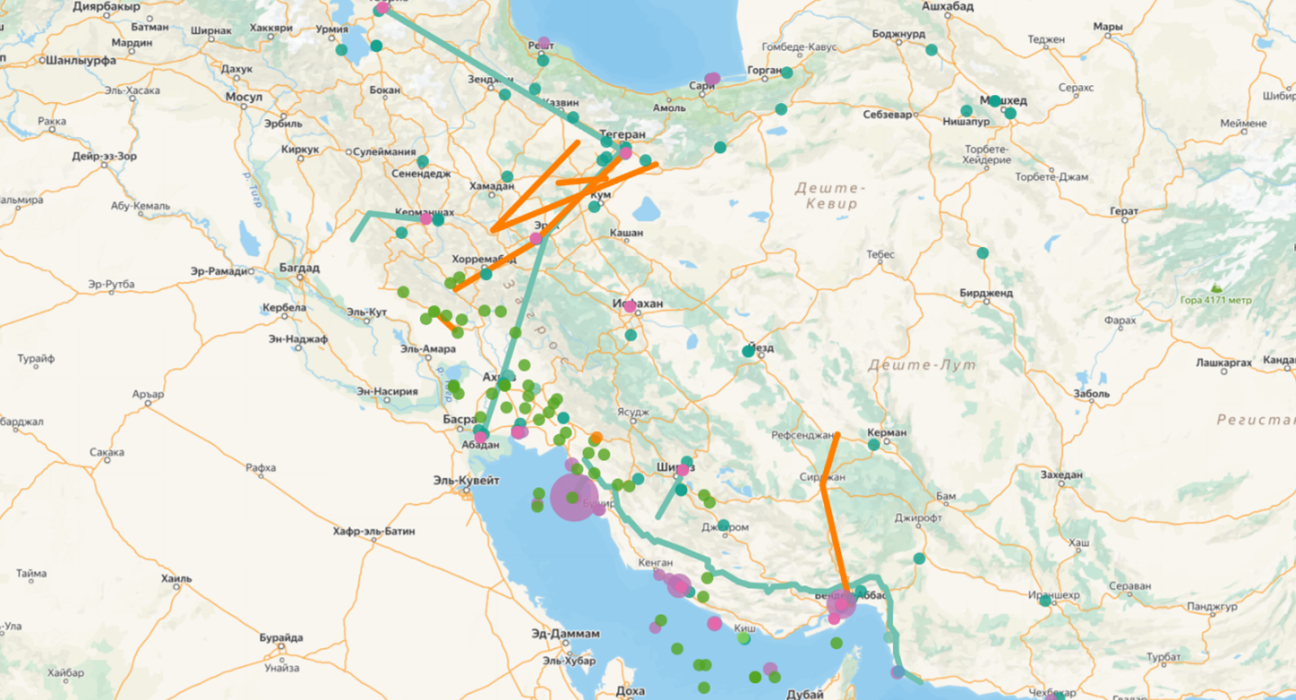
Military escalation in Iran: risks for energy markets and trade corridors in the Middle East

Brief description: The article analyzes the large-scale crisis in the Middle East caused by the military confrontation in Iran and the actual blockade of critical shipping lanes, including the Strait of Hormuz. The authors examine in detail the consequences for the global economy: from a sharp spike in energy prices to disruptions in global supply

Read More

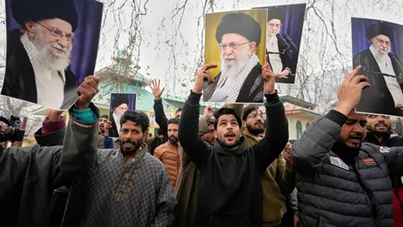
Attack on the residence of the Supreme Leader of Iran: assessment of military and diplomatic consequences for regional stability

Brief description: The article examines the military and diplomatic consequences of the joint US-Israeli attack on February 28, 2026, which killed Iran’s supreme leader Ayatollah Ali Khamenei. The unprecedented scale of the operation, the mechanisms for maintaining institutional continuity in Iran (an interim Governing council, a prepared Council of Experts), as well as Tehran’s large-scale

Read More

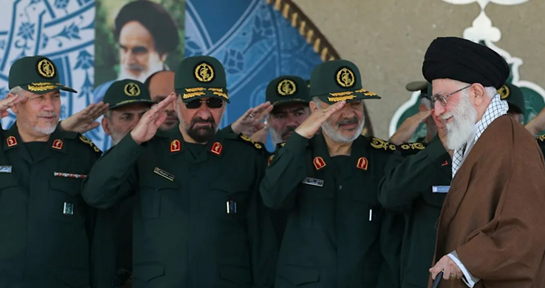
The Islamic Revolutionary Guard Corps as an factor of Iranian Politics: mechanisms of influence on domestic and international processes

Brief description: The article analyzes the role of the IRGC in Iran’s political system after the attack by the United States and Israel and the assassination of Supreme Leader Ali Khamenei. The mechanisms of the corps’ influence on the internal processes of the country and its actions in the international arena, including control over strategic

Read More

Monthly review of the political situation in Central Asia: Period: January – February 2026

From reforms to dialogue: educational and policy initiatives in Central Asia Brief description: This article highlights the key internal and external political processes in Central Asian countries. Uzbekistan is carrying out a large-scale reform in the field of education, introducing compulsory “zero” classes. Kazakhstan announces the completion of the transition from a super-presidential to a

Read More

Monthly review of the political situation in Central Asia: Period: November–December 2025

Central Asia on the verge of transformation: institutionalization of unity, geopolitical maneuver and resource paradox Brief description: The political situation in Central Asia at the end of 2025 is characterized by a transition from situational partnership to the creation of a full-fledged political and economic bloc. The region is actively strengthening its subjectivity through the

Read More

Monthly review of the political situation in Central Asia: Period: October-November

“Overcoming regional fragmentation and the emergence of a new geopolitical subjectivity in Central Asia” Brief description: The article covers the key political events in Central Asia in October-November 2025. The period under study was marked by a unique combination of active multi-vector diplomacy and deepening of internal regional integration. On the one hand, the holding

Read More