Brief description: This article is an analysis of the current critical situation in Cuba, where a sharp escalation of the economic crisis coincided with increased pressure from the administration of Donald Trump. The article examines the consequences of the cessation of Venezuelan oil supplies, tougher sanctions and possible scenarios for the Cuban Revolution, which, according to experts, is facing the most serious threat in decades.
Preface
Cuba is going through one of the most difficult periods since the Cold War. The island’s economy, still reeling from the pandemic, is facing a new crushing blow. After the change of power in Venezuela, the supply of oil, the main source of energy and financial support for Havana, stopped. The US administration, led by Donald Trump, uses this moment by tightening sanctions and actually provoking the collapse of the state system. The question now is not just about the crisis, but about the survival of the Cuban Revolution as a political project. This article focuses on the humanitarian consequences of fuel starvation, the geopolitical game around the island, and how ordinary Cubans view what is happening.
“They used to the crisis”: The eighth president in ten years
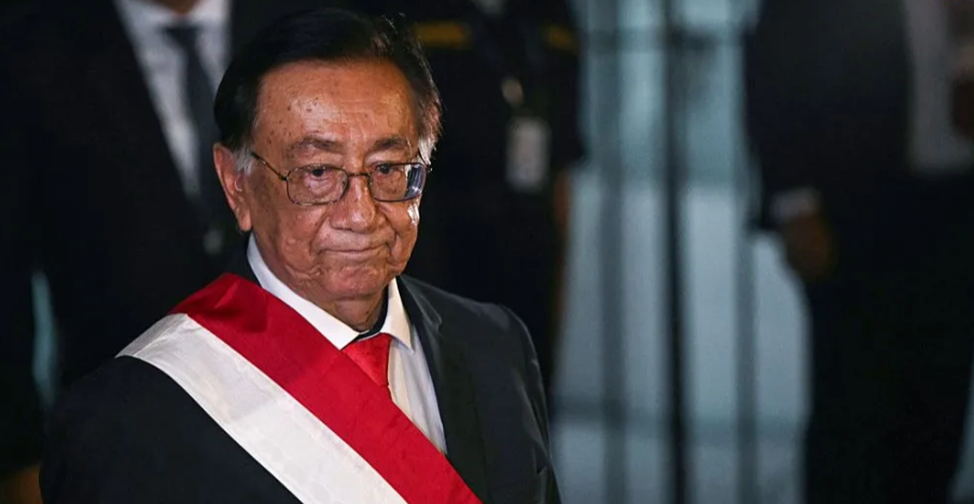
President of Peru – Jose Maria Balcazar
Political instability in Peru has long ceased to be an exception and has become a system. 83-year-old Jose Maria Balcazar, a representative of the center-left Free Peru party, has become the new, already the eighth head of state since 2016. The Congress elected him interim leader of the country until the end of July, when the inauguration of the winner of the general election will take place.
Balcazar himself promised to “guarantee the people of Peru a peaceful and transparent democratic and electoral transition.” However, his candidacy caused a mixed reaction: as a former judge, he was criticized for voting in Congress against a bill banning child marriage (the law was eventually passed despite his position).
The public’s reaction to the next change of government in Lima reflects deep fatigue and apathy. As one Lima resident told the Reuters news agency, “How many presidents have we had in 10 years? This is a huge blow to the country.” Another agency interlocutor added that he has already “got used to this crisis, because we are really in a crisis situation where Congress is only concerned with changing the president and cares only about its own well-being.”
The oil shock and Trump’s “rules of the game”
The key factor in the current crisis has been the geopolitical reversal in Venezuela. After American troops effectively took control of the South American country’s oil industry on January 3, the flow of 35,000 barrels of crude oil per day, vital for Cuba, dried up. President Donald Trump has increased the pressure by threatening duties on any country that dares to supply fuel to the island. Havana’s traditional allies — Russia, China, Mexico, and Iran — have not yet taken active action to fill the vacuum, although the United States later announced a slight easing of restrictions for “humanitarian purposes.”
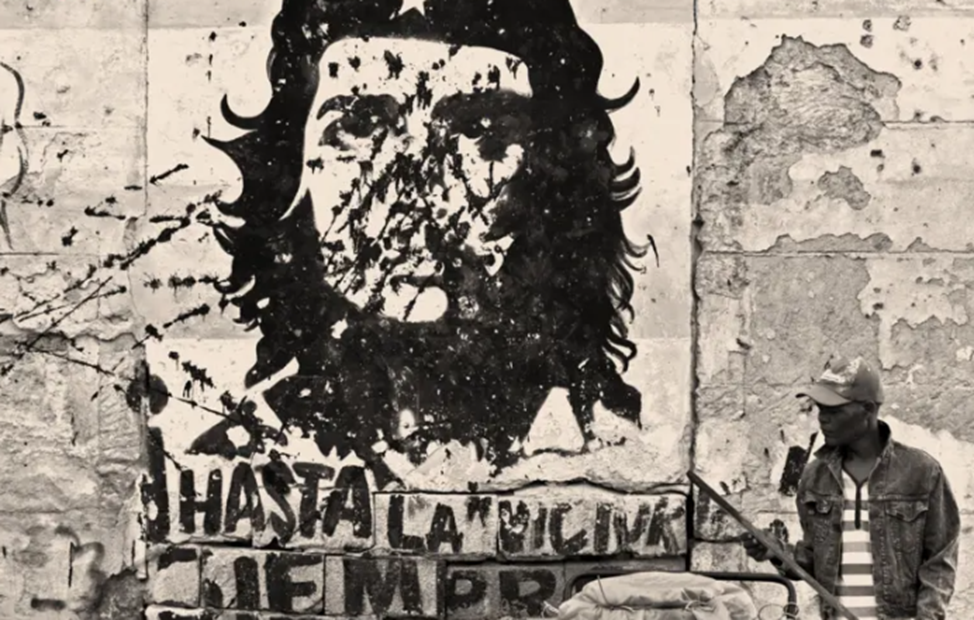
According to experts, the island’s fuel reserves may last only six to eight weeks. However, there is no exact data, as the government does not publish them. Already, “extreme rationing” has been introduced at gas stations: no more than 20 liters at a time and only for US dollars through a government application, where virtual queues stretch for weeks.
The figure of a negotiator and real power
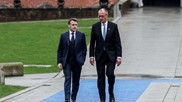
The U.S. administration’s Cuba policy is overseen by Secretary of State Marco Rubio, a Cuban-American known for his tough stance. Trump himself claims that Rubio is negotiating with the top leadership of Cuba. However, according to experts, the real negotiator on the Cuban side remains the elderly Raul Castro, whose influence still determines the island’s policy, while President Miguel Diaz-Canel does not have full power. The media cites his grandson, Raul Rodriguez Castro (known as “El Cangrejo”), who is considered to be more business-oriented than ideological, as a possible contact from Castro’s inner circle. Despite the rhetoric of “maximum pressure,” some experts, including former U.S. Ambassador to Cuba Jeffrey DeLaurentis, see a change in tone. At recent international forums, Marco Rubio has focused on economic reforms rather than radical regime change, which may indicate Washington’s search for a compromise option for the transition of power according to the “Venezuelan model.”
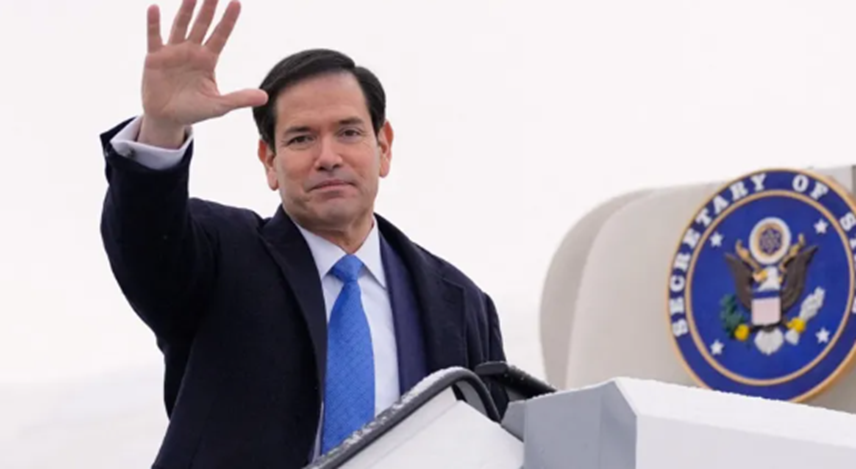
U.S. Secretary of State – Marco Rubion
“This is a rather risky strategy, fraught with many unforeseen consequences,” warns Jeffrey DeLaurentis, commenting on the US attempts to force Havana to surrender.
Conclusion
The Cuban Revolution, which survived the fall of the USSR and decades of the American embargo, is now facing an existential challenge. The combination of internal economic devastation, the loss of a key ally in Venezuela, and targeted U.S. pressure created a “perfect storm.” Washington, apparently, is betting that the island will collapse under the weight of its own problems. However, the question of whether this will lead to the desired regime change or to chaos and a humanitarian catastrophe remains open. In the meantime, thousands of Cubans are forced to survive by returning to cooking methods that were thought to be a thing of the past forever with the Batista era.
Scenario 1. “Humanitarian collapse and system collapse”
Further interruption of fuel supplies in the face of tougher sanctions will lead to a complete paralysis of the economy, healthcare and transport. A wave of discontent similar to that expressed by Breney Hernandez can escalate into large-scale social protests. A state devoid of resources to maneuver and suppress discontent risks losing control of the situation, which will force the military elite to look for ways to make an emergency deal with Washington to prevent chaos.
Scenario 2. “A new thaw and a pragmatic compromise”
Realizing the impossibility of a rapid collapse and fearing destabilization near its borders, the United States may enter into negotiations with the pragmatic wing of the Cuban leadership, represented, perhaps, by figures like Raul Rodriguez Castro. In exchange for gradual economic reforms and a rejection of hostile rhetoric, Washington can begin to gradually ease sanctions, encouraging a slow transformation of the regime from within, as Barack Obama tried to do, but from a position of strength, not goodwill.