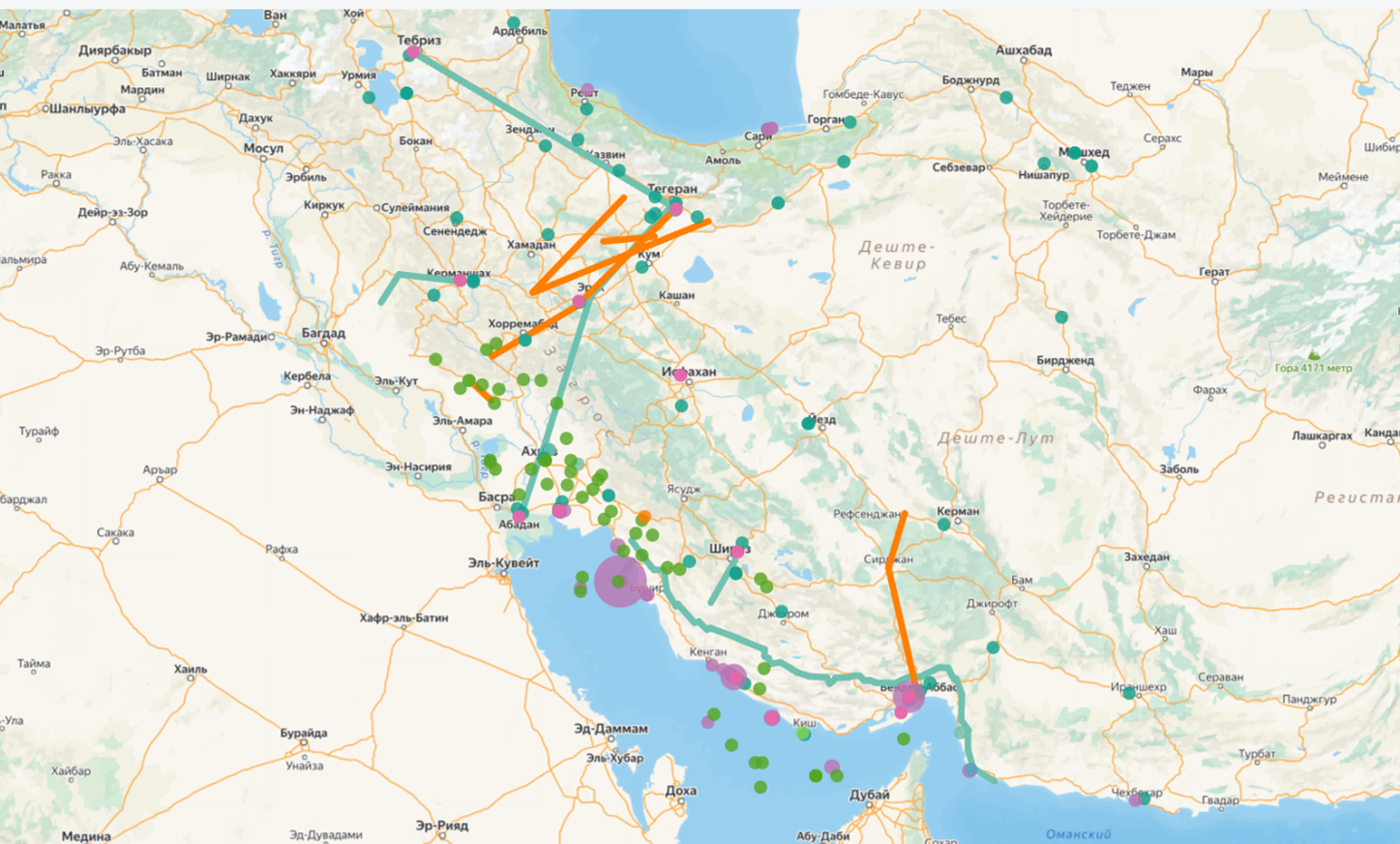
Brief description: The article analyzes the large-scale crisis in the Middle East caused by the military confrontation in Iran and the actual blockade of critical shipping lanes, including the Strait of Hormuz. The authors examine in detail the consequences for the global economy: from a sharp spike in energy prices to disruptions in global supply chains for food, fertilizers, and high-tech components. Special attention was paid to the urgent measures taken by the international community and the United States to stabilize the energy market, including the release of strategic reserves and the temporary easing of sanctions. In conclusion, it is concluded that the current conflict has become a systemic threat to macroeconomic stability, requiring an immediate search for a diplomatic solution and a long-term diversification of global logistics corridors.
Preface
The Middle East acts as a central hub for the global economic system, concentrating both enormous hydrocarbon reserves and critically important maritime trade routes. The long-standing confrontation between the Islamic Republic of Iran, Israel and their allies has turned into a phase of open military clashes and mutual strikes. As a result of military instability, a global macroeconomic threat is emerging.
The location of the current escalation is adjacent to the main trade routes — the Straits of Hormuz and Bab el-Mandeb. The military potential of Iran and regional groups loyal to it (in particular, the Yemeni Ansar Allah movement) allows it to project power into the key waters of the Red Sea, the Gulf of Oman and the Persian Gulf. This puts at direct risk the volume of production and exports of Middle Eastern oil, the continuity of global supplies of liquefied natural gas (LNG), as well as the stability of transcontinental supply chains between Asia and Europe.
Thus, the current escalation has ceased to be a local conflict and has become a systemic threat: disruptions in the supply of oil and LNG, and the blocking of key sea routes can cause price increases, production disruptions, and a slowdown in global economic growth.
Risks for global energy markets.
Assessing the risks to the energy market requires an analysis of the role of Iran and the region as a whole. In 2025, Iran ranks 3rd in the world in terms of oil production, with 208,600 million barrels. [1] Under the conditions of severe sanctions, China is the main buyer (93% of the total volume), where raw materials are delivered mainly by a giant shadow fleet through transshipment on the high seas. [2] In the domestic market, record government subsidies make gasoline and diesel super cheap, which provokes their large-scale smuggling, while unrealized oil reserves due to sanctions are forced to accumulate in huge floating and land-based storage facilities.
According to the International Energy Agency (IEA) for March 2026, the global oil market is facing a severe crisis due to the war in the Middle East and the closure of the Strait of Hormuz. “Exports of 20 million barrels of raw materials per day were disrupted, and oil prices jumped to $92 per barrel.” Saade Sherida al-Kaabi notes that due to the inability to export raw materials, the reservoirs are overflowing, which forced the Persian Gulf countries (Iraq, Qatar, Kuwait, the United Arab Emirates, Saudi Arabia) to reduce production by about 103 million 3 barrels per day.
“In this case, the price of oil could soar to $150 per barrel, and gas prices could jump to $40 per 1 million British thermal units (BTU), which is four times higher than before the outbreak of hostilities. Disruptions in transportation have already affected the resource market, the price of Brent crude oil on Friday rose above $ 87 per barrel for the first time since July 2024, the cost of WTI exceeded $ 84 per barrel,” 4 he believes.
To mitigate the impact on the country’s economy, the IEA agreed on March 11 to allocate 400 million barrels of oil from its emergency reserves to the market (total global reserves amount to 8.2 billion barrels). However, the printing of reserves is a temporary measure. The future fate of the markets depends on the duration of the crisis, the safety of navigation and the timing of the opening of the Strait of Hormuz.
A threat to transport and logistics corridors.
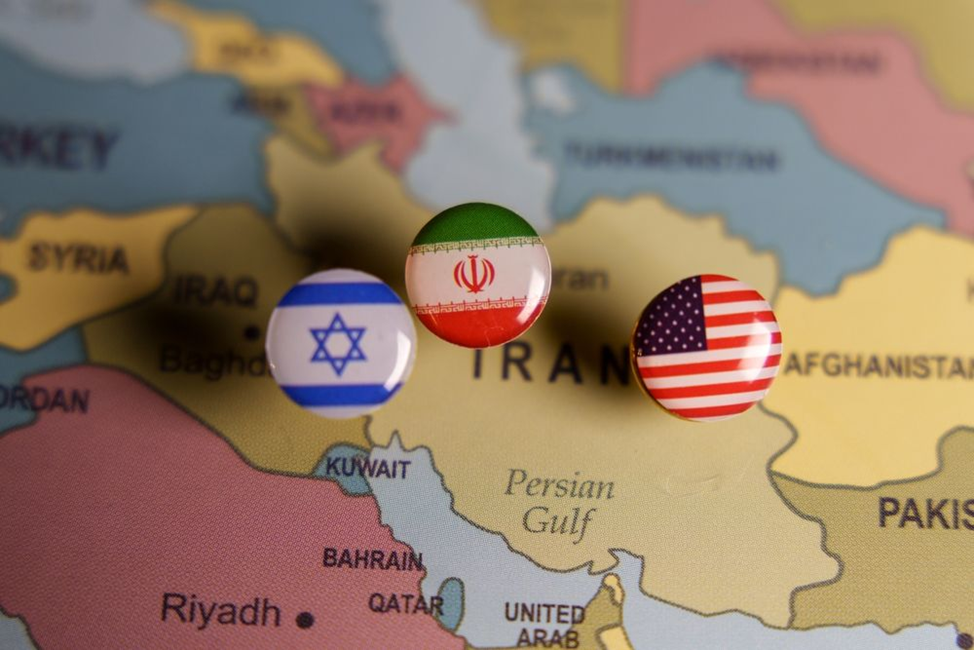
Iran’s geographical location allows it to control or threaten major maritime bottlenecks (chokepoints) Eurasia. The main risk remains the Strait of Hormuz, an alternative transportation route for oil exports from the Persian Gulf. According to the Energy Policy Research Foundation (EPRINC), about 18-20 million barrels of crude oil and about 20% of global LNG exports pass through the Strait of Hormuz every day, accounting for about one fifth of global oil supplies.
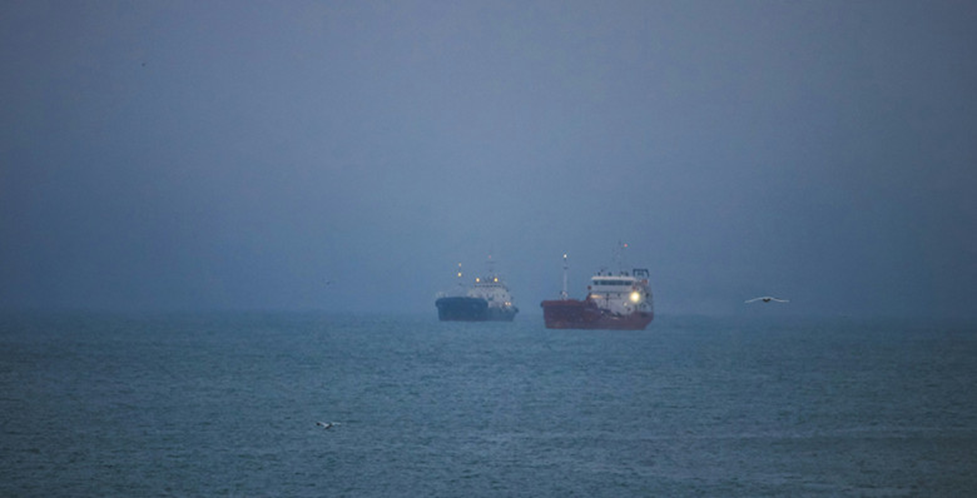
The blockade of the Strait of Hormuz has led to a decrease in oil production in the Persian Gulf by 10 million barrels per day due to overcrowding in storage facilities. The price of Brent crude oil soared by 45%, settling at $102-106 per barrel (at its peak — $126). The crisis has paralyzed related industries: 2,000 ships are blocked at sea. “By March 5, seven of the twelve largest marine insurance companies, which collectively insure 90% of global maritime trade, had cancelled insurance coverage in the Persian Gulf. Tanker traffic has decreased from about 60 daily transits to almost zero.”5
Major agricultural countries such as India, Bangladesh, Thailand, and Indonesia are heavily dependent on fertilizer imports from the Gulf states. Prolonged work disruptions can lead to increased costs for farmers during key planting periods. The main agricultural crops of the region, which include rice and corn, are among the most demanding crops for fertilizers.
If farmers respond to higher fertilizer prices by reducing their use, yields may decrease, leading to higher food prices. “It’s not agricultural raw materials that will have a greater impact on consumer prices, but the fact that energy supplies make up a significant portion of total retail food spending,”6 said Joseph Glauber, senior researcher at the International Institute for Food Policy Research.
Also, helium supplies to Qatar — 35% of global production — have been completely stopped, which has cascading consequences for the production of semiconductors, MRI systems and supply chains in the aerospace industry.
Donald Trump has given Iran an ultimatum: if the strait is not unblocked by April 6, the United States will completely destroy Iran’s power plants, wells and the main export island of Kharg. American aircraft have already begun to strike at the Iranian Navy. Iran itself, whose IRGC Navy commander was previously eliminated by Israel, is attacking bypass ports in Oman with drones. Tehran is also preparing a law on transit fees in yuan to allow only vessels of the Russian Federation and China to enter the strait.
Amid uncertainty about shipping in the Strait of Hormuz, the Kremlin noted a “significant increase in demand” for Russian energy resources. On March 5, the US Treasury temporarily allowed India to purchase Russian seaborne oil due to the situation in the Strait of Hormuz. The right will be valid for 30 days and will expire on April 4. India found itself in a difficult situation due to the de facto blockade of the route – 40% of its oil imports went through Hormuz, and the country’s own crude oil reserves would only last for 25 days.
The local conflict in the Middle East poses a systemic threat to macroeconomic stability.
According to the January update of the IMF’s 2026 bulletin, the impact of the conflict in the Middle East is considered one of the main negative risks to the global economy. In the baseline scenario, global markets are still showing resilience, but a significant escalation of geopolitical tensions could lead to serious consequences. First of all, escalation can destabilize major transport routes, critical supply chains, and air cargo transportation, which will inevitably cause delays in logistics and a global increase in transportation costs. If physical damage is caused to production or transport infrastructure during the conflict, the resulting supply constraints will trigger a sharp spike in prices for energy and other raw materials.7 In addition, rising tensions will create new levels of global uncertainty, which will put pressure on financial markets, worsen investor sentiment, and slow down global investment and consumption.
At the same time, the IMF’s baseline forecast predicts an acceleration of economic growth in the Middle East and Central Asia region from 3.7% in 2025 to 4% by 2027. This growth should be based on increased oil production, sustained domestic demand and reforms, while global oil prices may even decline by about 7% in 2026. Thus, the Middle East remains a potential “powder keg” for the global economy. If the conflict does not go beyond the current framework, global economic growth will continue, but any serious escalation will immediately hit global logistics, cause a shortage of raw materials and provoke a new round of global inflation.8
Response measures
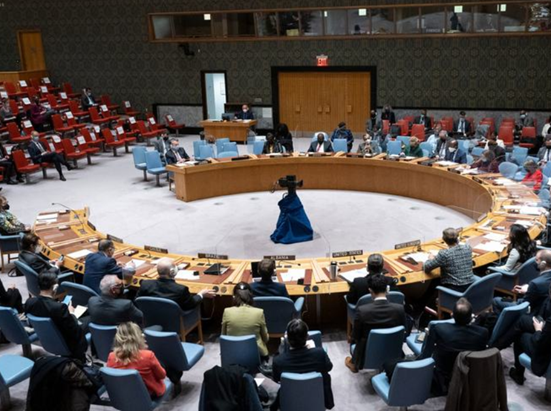
In addition to releasing IEA reserves, the administration has instructed the DFC to provide government insurance of political risks for maritime trade through the strait. OFAC has issued general license 134 authorizing the supply of Russian oil from floating storage facilities, and Treasury Secretary Bessent confirmed that the United States allows Iranian tankers to transit to supply global markets. On March 19, the United States launched an air campaign against the Iranian naval and coastal forces with the aim of forcibly opening the strait. Twenty-two countries have signed a statement in support of freedom of navigation, and Bahrain has circulated a draft UN Security Council resolution authorizing all necessary means to restore transit. Additional unilateral release of reserves, an operational multinational escort coalition, and exceptions to the Jones Act are among the options still under active discussion. The Iranian drone strikes on the Omani bypass ports of Duqm and Salalah have further narrowed the range of alternative routes.
Conclusion
Summing up, it can be stated that the escalation of the conflict in the Middle East has finally outgrown the framework of the local geopolitical confrontation, turning into a systemic challenge for the global economy. The blockade of the Strait of Hormuz has demonstrated the vulnerability of global supply chains, where critical dependence on a single bottleneck can destabilize energy markets, provoke food inflation and endanger high-tech industries in a matter of weeks.
Despite active attempts by the international community, represented by the IEA and the governments of the leading Powers, to mitigate the consequences through the release of strategic reserves and temporary liberalization of the sanctions regime, these measures are only palliative in nature. Further developments remain extremely unstable and largely depend on the outcome of the US military campaign and the willingness of the parties to seek a diplomatic compromise. In the short term, the world has become hostage to an “energy buffer” where price volatility and logistical risks will persist until full-fledged shipping safety is restored. Thus, the current crisis serves as a painful lesson about the need to diversify transport corridors and reduce dependence on the regional stability of the Middle East to ensure global economic security.
[1] https://www.worldometers.info/ru/%D0%BD%D0%B5%D1%84%D1%82%D1%8C/%D0%B8%D1%80%D0%B0%D0%BD-%D0%BD%D0%B5%D1%84%D1%82%D1%8C/
[2] https://seala.ru/oil/neftiran
4 http://rbc.ru/rbcfreenews/69aad2bf9a7947843e13c3af
5 https://eprinc.org/crisis-in-the-strait-of-hormuz/
6 https://www.cnbc.com/2026/03/12/iran-war-food-prices-fertilizer-hormuz-countries-impacted-.html
7 https://expert.ru/news/polsha-zakroet-nebo-na-vostoke-strany-na-tri-mesyatsa/
8 https://www.imf.org/-/media/files/publications/weo/2026/january/russian/text.pdf