Strategic reformatting of the region
Summary: The article highlights a number of important events shaping the new political reality in South Asia. The landmark statement by Vice President of the Philippines Sarah Duterte about her intention to run for president in 2028 is being considered, which marks the beginning of a new stage of the political struggle in Manila. The article analyzes the tectonic shifts in India’s trade policy, which has concluded landmark agreements with the EU and the United States, and the difficult prospects for restarting its relations with Bangladesh after the crushing victory of the Bangladesh Nationalist Party under the leadership of Tariq Rahman. In addition, it tells about the unexpected victory of the conservatives led by Prime Minister Anutin Charnavirakul in the elections in Thailand, which illustrates the complex dynamics of internal political processes in the region.
Introduction
In today’s global political and economic realities, leaders and analysts are monitoring developments that could significantly affect the balance of power and strategic interests of South Asia and surrounding regions. It is important to closely monitor the dynamics of tension, where issues of succession of power, trade alliances and diplomatic relations are becoming the subject of heated discussions. The topics of changes in foreign policy courses and initiatives related to defense capabilities and regional integration are rapidly becoming relevant, which underlines the importance of these events in the international arena.
1. Philippines: Announcement of Sarah Duterte’s presidential campaign
Philippine Vice President Sarah Duterte has announced her intention to run for president in the 2028 elections. The statement by the 47-year-old daughter of former President Rodrigo Duterte came amid a fierce power struggle with current President Ferdinand “Bongbong” Marcos Jr.
As correspondent Joel Guinto reports, Sarah Duterte stated: “I am giving my life, my strength and my future to serve our country. I will run for president of the Philippines.” Her decision was announced long before the official start of the campaign, which is typical for Philippine politics, where the personalities of the candidates play a key role. The conflict between Duterte and Marcos reached its peak in March 2025, when the president allowed the International Criminal Court to arrest her father. Former President Rodrigo Duterte is currently in custody in The Hague on charges of crimes against humanity. Despite the split, Sarah Duterte retains a high political rating, which is facilitated by her image of a tough and single-minded politician inherited from her father.
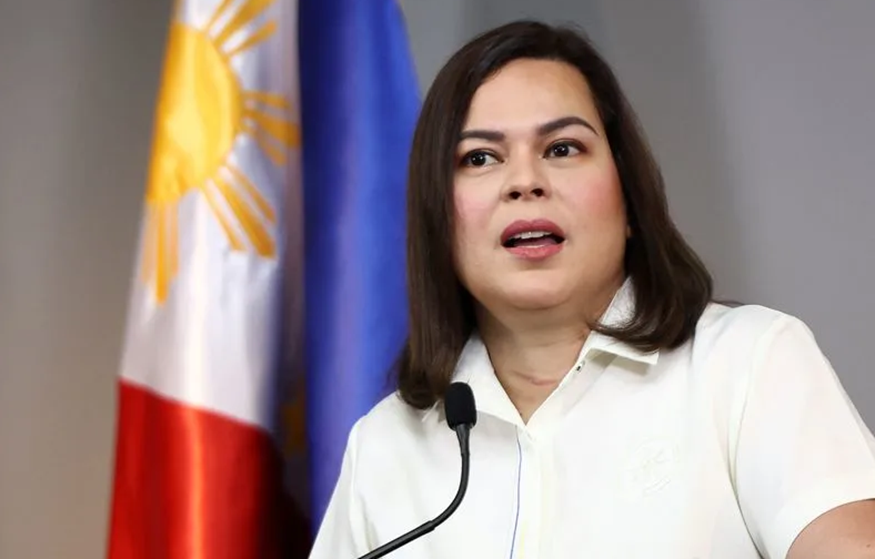
Vice President of the Philippines Sarah Duterte
2. India: Trade Breakthrough and Structural Challenges
From a trade perspective, 2026 is likely to go down in history as a landmark year for India. As correspondent Nikhil Inamdar reports, Delhi has already concluded a key trade agreement with the European Union and an interim agreement with the United States, making it India’s tenth free trade agreement since 2014.
However, experts point out that the success of these agreements depends on their implementation. Sumedha Dasgupta of the Economist Intelligence Unit said in an interview with the BBC that India has historically had a low level of use of preferences for such transactions — only about 25%. Kiran Kotla, CEO of Dista, explained that the complexity of the rules of origin and high transaction costs often offset tariff advantages.
Unlike Vietnam, which is integrated into global supply chains, India’s manufacturing strategy is fragmented. Priyanka Kishore, founder of the Singapore-based Asia Decoded think tank, noted that India needs to streamline logistics and customs procedures in order to achieve its export target of $1 trillion per year.
3. Bangladesh: The victory of the Nationalist Party and the reset of relations with India
The Bangladesh Nationalist Party (BNP), led by Tariq Rahman, won a landslide victory in the general election, winning more than two-thirds of the seats in Parliament. The elections were historic because the Awami League party of deposed Prime Minister Sheikh Hasina, now in exile in Delhi, was banned from participating in them.
Indian Prime Minister Narendra Modi congratulated Tariq Rahman on his “decisive victory,” promising support in building a democratic neighboring state. However, analysts warn of the difficulties of rebooting. SOAS lecturer Avinash Paliwal noted that India’s past relations with the BNP were difficult. In the early 2000s, they were marked by distrust due to Dhaka’s alleged links with Beijing and Islamabad.
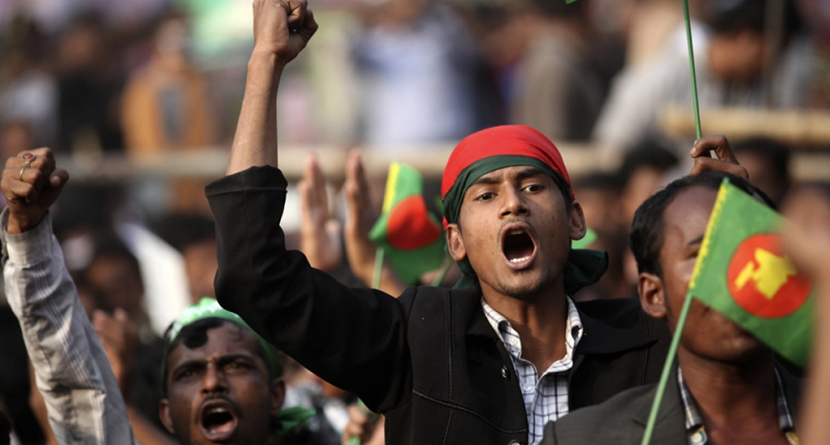
After the fall of Hasina, Bangladesh intensified relations with Pakistan: direct flights resumed and trade turnover increased. Senior researcher Smruti Pattanaik said that Delhi is not concerned about Bangladesh’s ties with Pakistan as such, but it is important that the pendulum does not swing too much in the other direction. Tariq Rahman, who spent 17 years in exile in London, is facing the challenge of economic recovery and balancing between major powers.
3. Thailand: An unexpected Conservative victory Thai Prime Minister Anutin Charnavirakul has declared victory in the general election, and preliminary calculations show a significant gap between his conservative Bhumjaitai Party and his rivals. With 90% of the votes counted, Anutin’s party wins 194 seats in the 500-seat parliament, leaving the reformist People’s Party in second place with 116 seats.
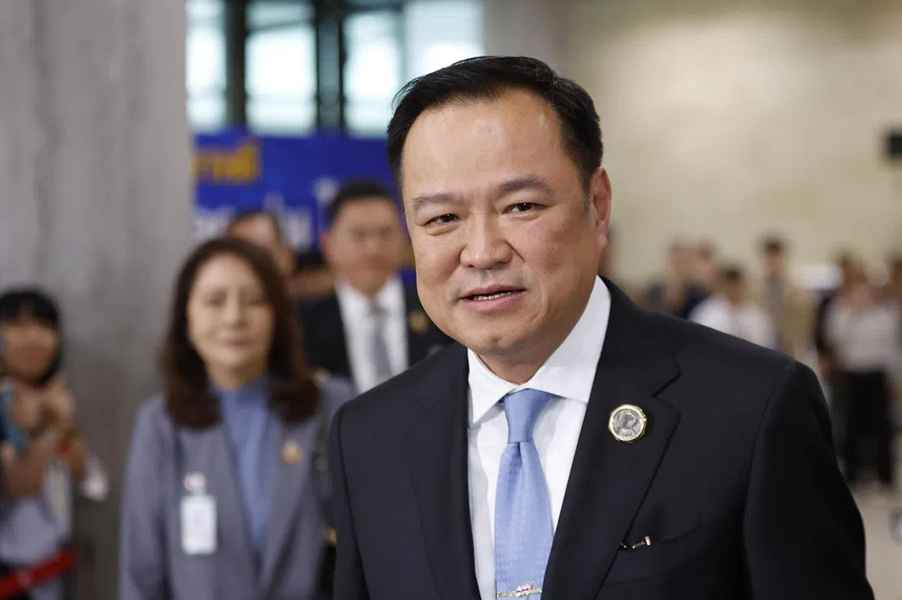
Thai Prime Minister Anutin Charnavirakul
Anutin built the campaign on patriotic sentiments after the border incidents with Cambodia and promises to protect traditional institutions such as the monarchy and the army.
Natthaphong Ruengpanyawut, the leader of the People’s Party, admitted defeat, declaring his readiness to join the opposition. The third place was taken by the Shinawatra family’s Pheu Thai party, which won 86 seats. The elections were accompanied by a referendum on the reform of the constitution in 2017, where 65% previously voted in favor of the changes. Anutin’s victory prevented a possible constitutional crisis that could arise if the reformists were ousted from power again.
Conclusion
Thus, today’s events show how dynamically the political situation in South Asia and the surrounding regions is developing. Sarah Duterte’s statement marks the beginning of a new stage of political struggle in the Philippines, where family dynasties continue to play a key role. India’s trade expansion demonstrates its commitment to global integration, but success depends on its ability to overcome internal structural barriers. The convincing victory of the BNP under the leadership of Tariq Rahman in Bangladesh and the pragmatic success of Anutin Charnavirakul in Thailand indicate the voters’ demand for stability, even if it comes from traditional political forces. All these steps indicate that the countries of the region are looking for a balance between economic development, internal stability and strengthening their positions in the international arena.
Scenario 1. “Stability and pragmatic integration”: Tariq Rahman forms a technocratic government in Bangladesh, gradually restoring the economy and balancing relations between Delhi and Beijing. India is successfully implementing new trade agreements, simplifying customs procedures and increasing exports. In Thailand, Anutin Charnavirakul forms a stable coalition, and constitutional reform is approved, reducing political tensions. In the Philippines, Sarah Duterte and Marcos find a vivendi modus to avoid the paralysis of power until the 2028 elections.
Scenario 2. “Regional turbulence and polarization”: India’s refusal to extradite Sheikh Hasina provokes anti-Indian sentiment in Bangladesh, where Tariq Rahman, under pressure from nationalists, is moving closer to Pakistan, causing alarm in Delhi. India’s trade agreements with the West do not lead to export growth due to bureaucratic delays, disappointing investors. In Thailand, the contesting of election results and the rejection of constitutional reform by conservative elites are leading to new street protests. In the Philippines, the conflict between Duterte and Marcos is escalating, destabilizing the government.