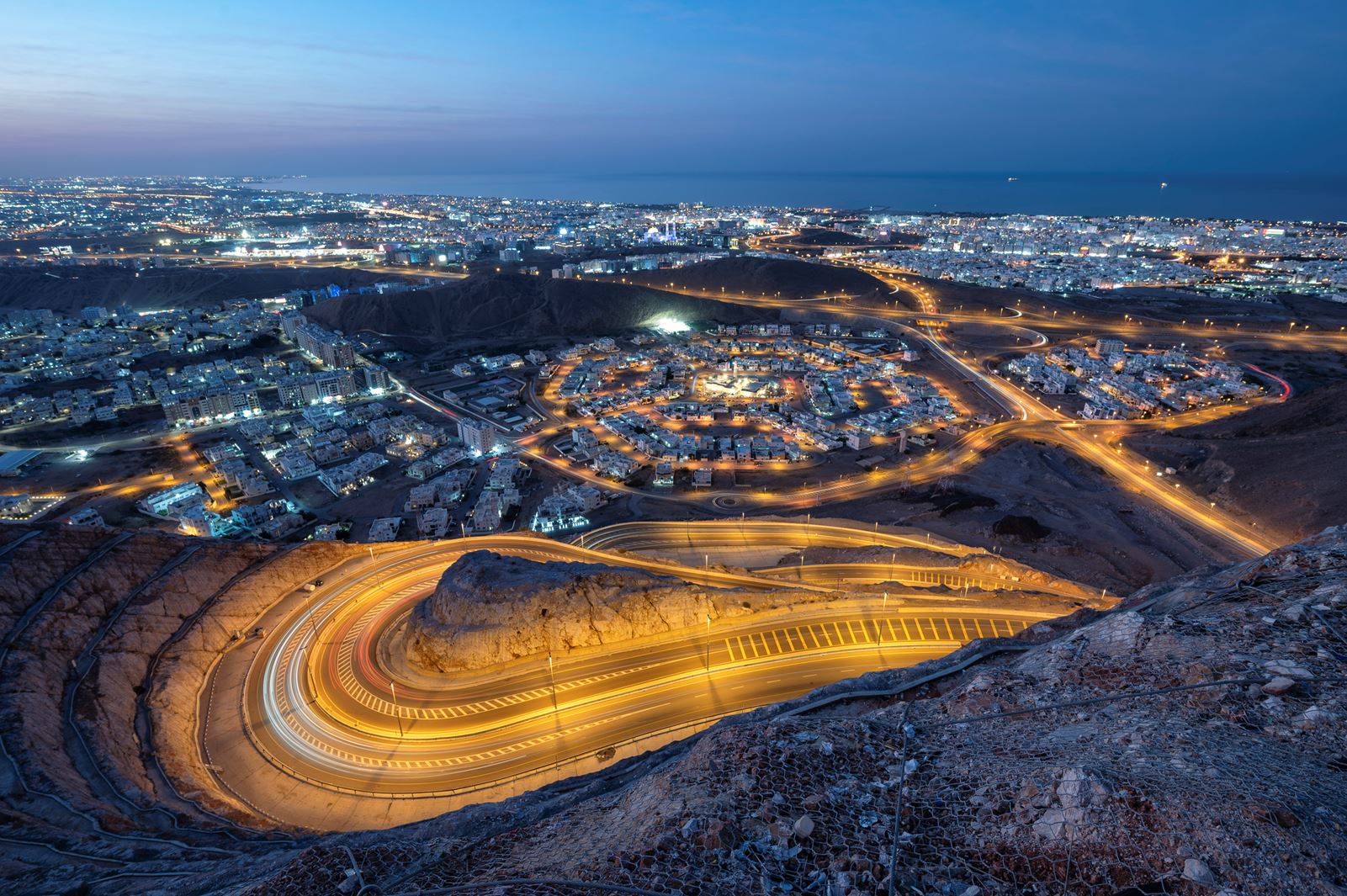
Oman Vision 2040 represents an ambitious development plan aimed at diversifying its economy, improving infrastructure, and strengthening its geopolitical position in the region and beyond. This strategy seeks to capitalize on Oman’s strategic geographical location, acting as a bridge between the Middle East and South Asia, as well as between the Arab world and East Africa. In this context, maritime projections towards India, Pakistan, and East Africa become essential components for Oman’s future growth and influence.
All of this takes place against a backdrop of total reform in the Arabian Peninsula states (Saudi Vision 2030, investment in cultural diplomacy such as the Qatar World Cup 2022, the future Saudi Arabia World Cup 2034, the Bahrain F1 circuit, the Riyadh Season, and the investment in combat sports such as MMA by the United Arab Emirates).
Geopolitics in Oman is characterized by a balanced approach in international relations, maintaining neutrality in regional conflicts while seeking to strengthen its role as a commercial and logistical hub in the Indian Ocean. This approach enables Oman to seize commercial opportunities and establish stronger ties with various nations.
In this regard, the terrestrial route is important: The land route connecting Oman to the Mediterranean is a significant aspect of Oman’s commercial and geopolitical aspirations. As the country seeks to diversify its economy and expand its trade relations, this route presents itself as a vital corridor for the transportation of goods and logistics between the Indian Ocean and the Mediterranean Sea.
Oman, located on the Arabian Peninsula, has access to the Indian Ocean through the Strait of Hormuz, which is one of the world’s most important maritime routes. However, projecting towards the Mediterranean requires effective development of terrestrial infrastructures through intermediary countries such as Saudi Arabia, Jordan, and other Levantine states to facilitate trade and enhance regional connectivity, which, with its developed diplomacy, can achieve by activating a very rich land route that benefits Muscat.
To this end, Oman has intensified its maritime ties with India and Pakistan through initiatives such as port development and enhancing maritime connectivity. The port of Salalah, one of Oman’s main ports, acts as a key transshipment point for trade between the Middle East, South Asia, and Africa. This modern infrastructure not only facilitates trade but also attracts foreign investment and fosters commercial partnerships.
Specifically, these projections translate into:
- Increase in Bilateral Trade: Trade relations between Oman, India, and Pakistan have grown, particularly emphasizing the trade of goods and agricultural products, as well as cooperation in the energy sector.
- Workshops and Cooperation Agreements: Oman has signed cooperation agreements with India and Pakistan in areas such as technology, energy, and education, facilitating a more robust flow of cultural exchange and economic cooperation.
- Joint Project Development: Joint infrastructure projects have been discussed and initiated, including port and transportation developments that strengthen connectivity between these nations.
Oman’s maritime projection towards East Africa focuses on establishing and strengthening trade relations with countries such as Somalia, Djibouti, and Sudan. This is achieved through improving maritime connections and promoting investments.
- Investments in Port Infrastructure: Oman has shown interest in investing in ports in East Africa, which will facilitate trade and promote more direct access to emerging markets in the region.
- Trade Agreements: Free trade agreements have been signed that encourage the reduction of tariffs and other trade barriers, facilitating faster growth in commercial exchanges.
- Cultural and Educational Exchange: The projection towards Africa also includes educational and cultural initiatives, promoting cooperation in areas such as training and skill development.
Economic and Population Growth in the Last 20 Years
In the last 20 years, Oman has experienced significant growth in both its economy and its population. According to World Bank data, Oman’s GDP has grown substantially, with an increase of approximately 300% between 2000 and 2020, primarily driven by oil and gas production, alongside recent efforts to diversify the economy.
Regarding the population, the 2020 census indicated that Oman’s population has grown from approximately 2 million in 2000 to over 4.5 million in 2020, reflecting a sustained population growth rate and migration dynamics that have increased the country’s demographic diversity.
Oman Vision 2040, therefore, highlights the importance of maritime projection towards India, Pakistan, and East Africa as part of its strategy to become a key commercial and logistical hub in the region, supported by its rich history of navigation and exchange, while maintaining a focus on stability and sustainable growth.
Sources:
Oman Vision 2040» – Official Government Document: This is the official document outlining Oman’s development strategy until 2040, including economic and diversification objectives, maritime projections, and trade relations. This resource provides the basis for understanding the political and economic directions of the country. Link to the official government website of Oman.
«The Political Economy of Oman: The Impact of Economic Diversification Strategies» – Chatham House: This report analyzes economic diversification strategies in Oman and their impact on international relations, including trade links with India, Pakistan, and East Africa. Link to Chatham House. «Oman’s Economic Outlook» – World Bank: This report provides data on Oman’s economic growth, analyzing both GDP and population growth over recent decades. It offers insights into demographic changes and the economic dynamics of the country. Link to the World Bank.