
The path to security in the Ice region: new influences and international initiatives
Brief description: This article provides an overview of the current geopolitical situation in the Arctic, where the geopolitical and military situation is intensifying. The participation of European countries, the USA and Russia in the Arctic zone is being considered. The Arctic Sentry mission is being analyzed to expand the military presence and create a squadron of drones to monitor the region.
Preface
The Arctic is one of the most strategically important and at the same time fragile regions of the planet. In the face of increasing geopolitical tensions, countries and allies around the world are taking measures to strengthen their presence and security in this harsh and complex region. The focus is on strengthening military influence, expanding cooperation, and preventing conflicts related to the growing interest in the Arctic. This article contains key events and trends that are shaping the future of the North Polar Region today.
Protecting Greenland from threats in the Arctic
On January 22, German Chancellor Friedrich Merz noted during the World Economic Forum (WEF) in Davos that European NATO allies, including Germany, should be more actively involved in ensuring security in the Arctic and strengthen their support for Greenland in this matter.
“We share the conviction that, as European NATO allies, we must do more to ensure the security of the Far North than NATO. This is a common transatlantic interest. Germany is doing exactly that,” the DPA news agency quotes the politician as saying.

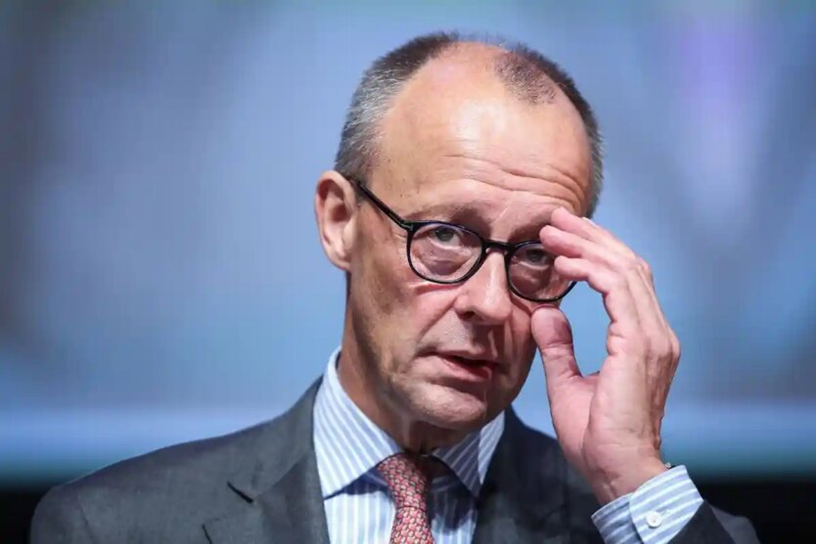
German Chancellor Friedrich Merz
Merz stressed that in recent days the United States has been insistently demanding to strengthen its influence in Greenland.
“Washington claims that this is necessary to counter security threats in the Far North,” the Chancellor added.
Loss of cooperation between the EU and Russia in the Arctic
Geographer expert Osa Rennermalm said on February 3 that the loss of scientific cooperation with Russia on Arctic issues has devastating consequences.
“Russia has by far the largest territory in the Arctic. And the loss of cooperation with Russia is, of course, an incredible tragedy,” Rennermalm said at the Arctic Borders conference.
She urged not to forget about the long-term prospect of a peaceful Arctic, where countries “can cooperate across borders, including with Russia.” According to her, the lack of Russian representation in cooperation within the Arctic Council negatively affects research.
“Yesterday I attended a speech where the consequences of losing cooperation with Russia were highlighted… The availability of observational data from Russian research stations is incredibly important for understanding what is happening in the Arctic on a broader scale. Therefore, the loss of this international cooperation is devastating,” the geographer said.

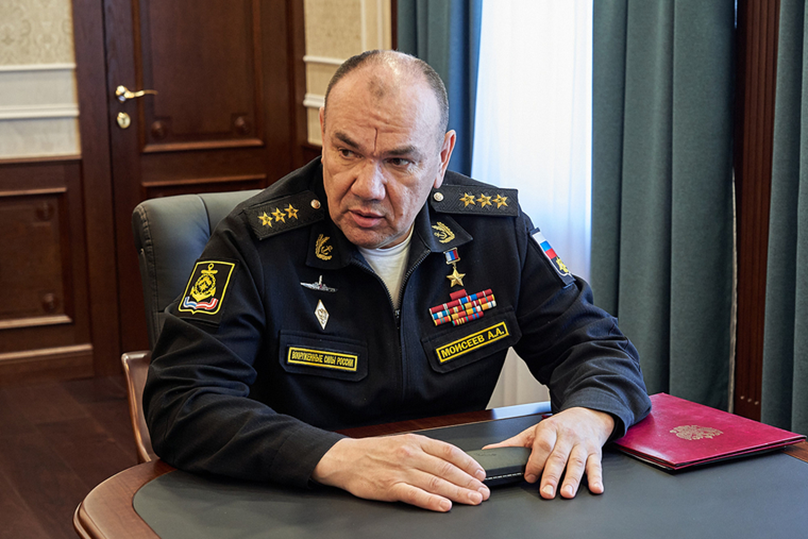
Commander-in-Chief of the Navy Alexander Moiseev
It is important to note that the Commander-in-Chief of the Navy, Alexander Moiseev, said last December that the situation in the Arctic remained difficult and tended to worsen due to Western actions. He added that instead of discussions about cooperation, Russia is increasingly hearing about possible conflicts.
NATO’s mission to expand its military presence in the Arctic
The North Atlantic Alliance (NATO) has launched the Arctic Sentry mission to expand its military presence in the Arctic, the Reuters news agency reported on February 11.
“NATO announced on Wednesday that it has launched a mission to strengthen its presence in the Arctic as part of an agreement to reduce serious tensions within the alliance caused by US President Donald Trump’s desire to acquire Greenland,” the agency said in a statement.

It is noted that within the framework of this mission, the military presence of the alliance’s forces in the region will be coordinated. In addition, military exercises like the Danish “Arctic Endurance in Greenland” will be conducted.
NATO’s intention to launch Operation Arctic Sentry in Greenland became known on February 9. Reuters wrote that the mission may also include military exercises, enhanced surveillance, additional ships and aircraft in the region, including drones.
On February 3, Colonel Martin O’Donnell, the official representative of the headquarters of the Supreme High Command of the United Armed Forces of NATO in Europe (SHAPE), announced that NATO countries had begun planning an observation operation in the Arctic amid the escalation of the situation around Greenland.
Creation of a Danish squadron of drones for Arctic surveillance
The Danish Air Force has formed the 729th drone squadron to monitor the Arctic region, as well as the Baltic Sea and the North Atlantic.
It is specified that the new unit of the Danish Air Force will be deployed at the Aalborg airbase as part of the air transport wing.
“The opening ceremony of the new squadron took place at Aalborg Air Base, attended by the leadership of the country’s Air Force, including the commander of the Danish Air Force, Major General Jan Dam, commander of the 729 squadron, Major Mark Krag Christiansen and commander of the air transport wing, Colonel Lars Hedemark,” the Defense Blog says.

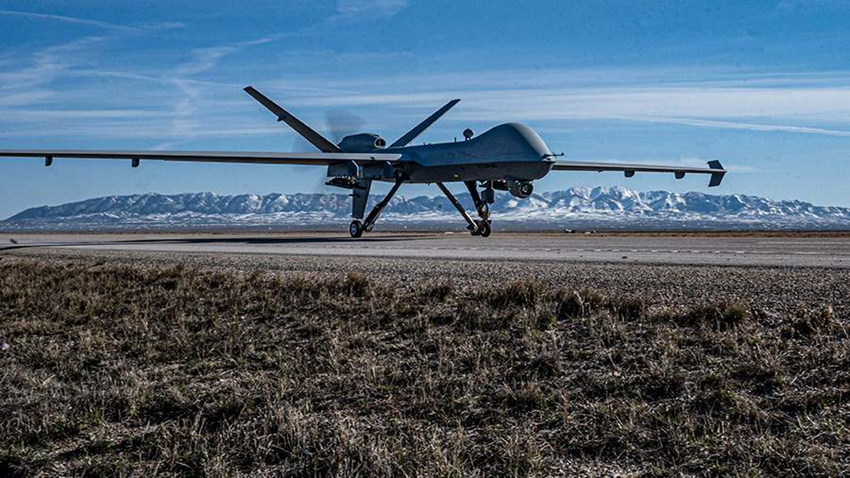
MQ-9B long-range drone
The authors of the material specify that the squadron’s main equipment will be long-range MQ-9B drones, which Denmark recently acquired in order to improve the quality of monitoring and intelligence to ensure the country’s regional and national security. However, it is noted that the delivery of these devices is planned only for 2028, and training and recruitment will continue for several years, until the arrival of drones in Aalborg.
Conclusion
Thus, the Arctic is becoming a real battlefield between various countries and alliances, each of which seeks to strengthen its influence and ensure the security of the region. The strengthening of the military presence, the creation of new intelligence assets and the intensification of international cooperation are all evidence that the future of the Arctic will be determined by such geopolitical games. It is important to remember that long-term peace and sustainable development of the region depend on the ability of the parties to find common ground and maintain peaceful cooperation in the face of growing interests and challenges.
Scenario 1. “Military confrontation”: Against the background of the increased military presence of NATO, the introduction of new intelligence tools and the increasing influence of the United States and the EU in the region, the situation in the Arctic may get out of control. Countries are beginning to demonstrate their strength, military exercises are taking place, and drones are being used for surveillance. As a result, there may be a risk of accidental conflict or a clash between major players, which will increase the risk of destabilization of the region and escalation of the confrontation, as well as negatively affect research and the environmental situation.
Scenario 2. “Successful international cooperation”: Despite attempts to increase influence and competition, the countries of the region and the international community may come to agreements on common goals and rules of conduct in the Arctic. The creation of agreements on joint resource management, conflict prevention and scientific data exchange can ensure long-term stabilization of the region. The gradual expansion of international cooperation and trust will help preserve peace, develop environmental projects, and safely exploit the Arctic’s potential for science and economics.