
Brief description: The article analyzes the role of the IRGC in Iran’s political system after the attack by the United States and Israel and the assassination of Supreme Leader Ali Khamenei. The mechanisms of the corps’ influence on the internal processes of the country and its actions in the international arena, including control over strategic facilities and coordination of response measures, are considered. Special attention is paid to the consequences of the escalation of the conflict for regional and global stability, as well as the analysis of the long-term prospects of the IRGC’s influence.
Preface
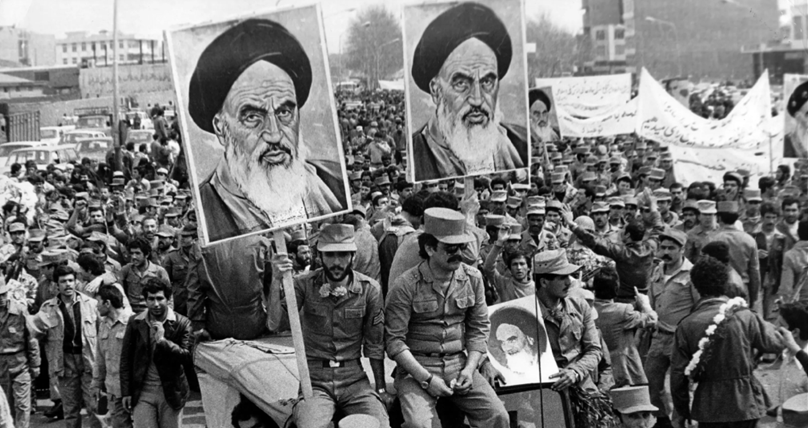
The Islamic Revolutionary Guard Corps (IRGC) is a key military and political institution in Iran, with significant influence on the country’s domestic and foreign policy. Created in 1979 after the Islamic Revolution, the corps was originally intended to protect the new regime from internal and external threats. Over time, the IRGC has evolved into a multi-level structure combining military, economic and ideological functions.

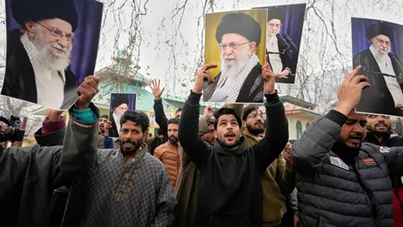
After the attack by the United States and Israel on February 28, 2026 and the death of Supreme Leader Ali Khamenei, the role of the IRGC increased significantly: the corps took over the coordination of response actions and ensuring stability inside the country. The events of recent weeks have shown that the IRGC remains the main guarantor of the regime’s security and the conductor of its interests both inside and outside Iran. In the vacuum of power after the death of the supreme leader, it was the IRGC that became the key institution ensuring the continuity of the political course.
Structure and mechanisms of influence on internal processes
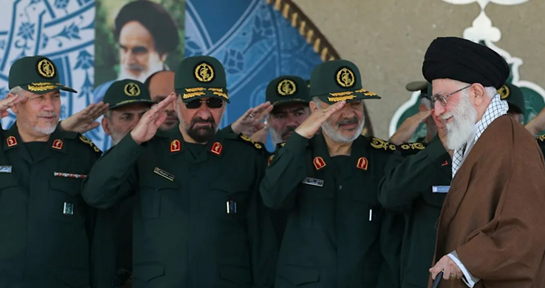
The IRGC reports directly to the Supreme leader of Iran and includes the land, naval and space forces, the elite Al‑Quds unit for external operations and the Basij militia. After the death of Ali Khamenei, the corps command assumed the functions of a temporary coordination center, ensuring the continuity of power and the continuation of resistance.
Internally, the IRGC controls key economic assets through the Khatam Al conglomerate Khatam al-Anbiya, which participates in infrastructure projects, energy and construction. The media (Tasnim, Fars), educational institutions (Imam Hossein University) and law enforcement agencies are under the influence of the corps. The IRGC ensures the security of the regime, suppresses protest sentiments and coordinates the mobilization of resources in wartime conditions.

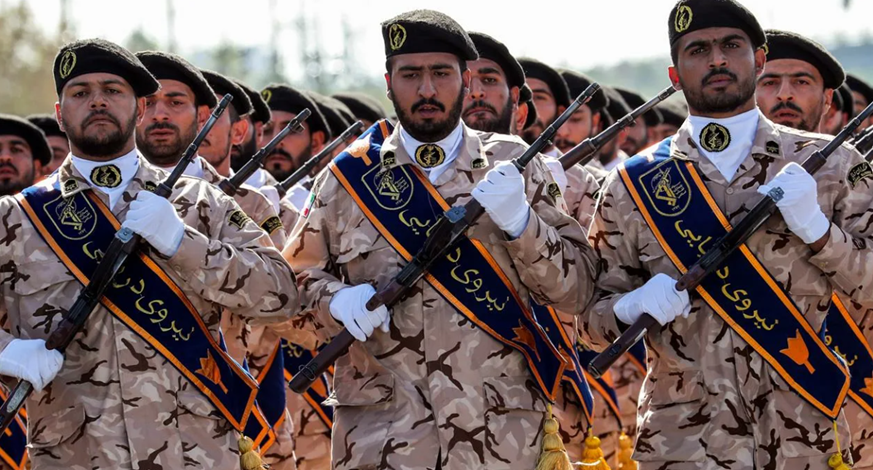
After February 28, 2026, the IRGC strengthened control over strategic facilities, including nuclear facilities, military bases, and transportation hubs. The Corps organized the mobilization of reservists and Basij militia, and also introduced additional security measures in major cities. IRGC patrols have been deployed in Tehran and other megacities to prevent possible riots and sabotage.
The IRGC’s economic influence has also increased, with key industries under its control, including the oil and gas industry, construction, and telecommunications. This allowed the corps to provide funding for military operations and social programs in the face of sanctions. The IRGC began to redistribute resources in favor of the regions most affected by the coalition strikes, which increased its popularity among the population.
The IRGC’s ideological work has intensified through controlled media and religious institutions. Propaganda campaigns emphasized the corps’ role as a defender of Islamic values and national sovereignty, which helped consolidate society around the idea of resistance.
Role in international processes
In the international arena, the IRGC is the main instrument for implementing Iran’s foreign policy. The Al‑Quds unit coordinates actions with allied groups in the region: Hezbollah in Lebanon, Shiite militias in Iraq and the Houthis in Yemen. After the attack on February 28, the corps intensified cooperation with these forces to launch retaliatory strikes.
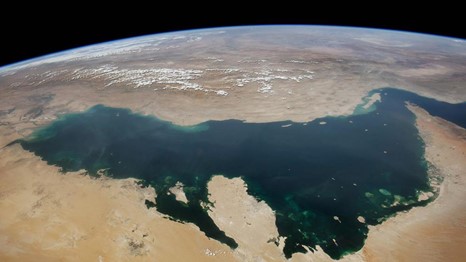
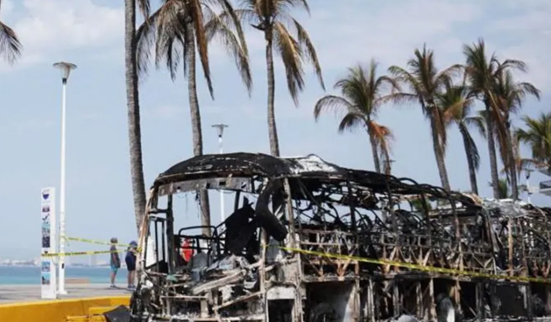
The IRGC’s key step was the closure of the Strait of Hormuz on February 28, which led to a sharp rise in oil prices and an escalation of global energy tensions. According to the command, by March 4, the corps had sunk ten ships flying the flags of Gibraltar, Honduras, the Marshall Islands and the United States. These actions demonstrated the IRGC’s ability to influence the global economy and security.
The IRGC has also launched a series of missile and drone attacks on US and Israeli military installations in the region, including bases in Bahrain, Iraq and the UAE. The corps coordinated strikes with the Allies, increasing pressure on the coalition. In particular, the Houthis in Yemen have stepped up attacks on ships in the Red Sea, which has created additional difficulties for international logistics. The IRGC used diplomatic channels to strengthen alliances with states critical of U.S. policy. Contacts with Russia and China allowed us to gain political support and discuss the possibilities of economic cooperation in the face of sanctions. The Corps has also stepped up ties with non-State factors in Africa and Asia, expanding its influence beyond the Middle East.

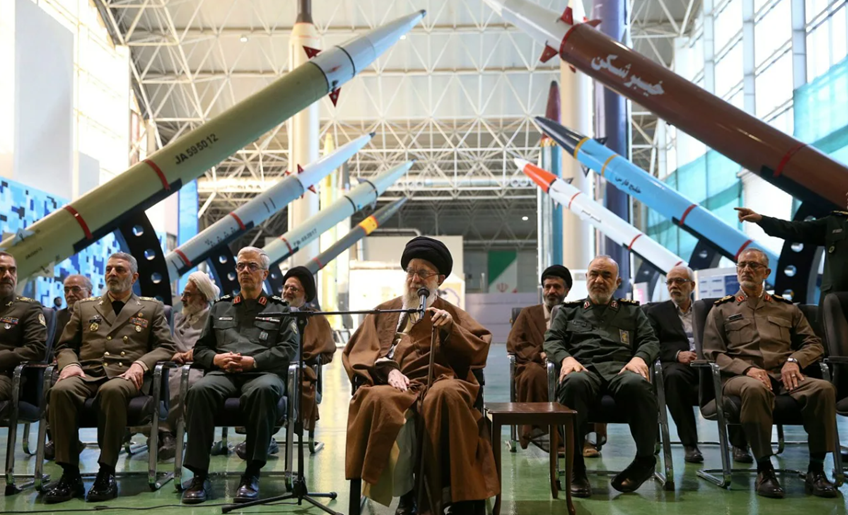
The reaction of the international community
The escalation of the conflict caused a sharp reaction from the international community. UN Secretary-General Antonio Guterres condemned the use of force and called for an immediate cessation of hostilities. In a statement, he stressed that the continuation of the conflict threatens regional stability and could lead to a humanitarian crisis. The UN Security Council held an emergency meeting, but disagreements between the permanent members prevented the adoption of a resolution with clear de-escalation measures.
The European Union and a number of Western countries have increased sanctions against Iran, including the freezing of IRGC assets and a ban on financial transactions. The United States and Israel have declared their readiness for further strikes if Iran does not open the Strait of Hormuz and does not stop supporting regional groups. Britain and France have called for the resumption of negotiations under the Joint Comprehensive Plan of Action (JCPOA), but Iran has rejected these proposals, demanding a cessation of hostilities first.
At the same time, some States, including Oman and Qatar, tried to mediate in the negotiations. However, according to Reuters, the administration of US President Donald Trump rejected these initiatives, declaring its intention to continue the military campaign until its conditions are fulfilled. Turkey and Russia have proposed holding a multilateral security conference in the Persian Gulf, but the United States and Israel have not yet confirmed their participation.
Conclusion
The events of February–March 2026 confirmed the IRGC’s status as one of the central actors in Iranian politics. After the death of the supreme leader, the corps assumed the role of coordinator of the response, ensuring the mobilization of resources and the continuation of resistance. His actions in the region, from blocking the Strait of Hormuz to coordinating Allied strikes, have had a direct impact on global energy security and geopolitical stability.
Despite pressure from the international community and increased sanctions, the IRGC demonstrates a high degree of adaptability and combat capability. The conflict with the United States and Israel not only did not weaken the corps’ position, but also strengthened its role inside the country as the main defender of national interests. In the short term, the continuation of the confrontation may lead to further escalation and deterioration of the economic situation in the region. In the long term, the IRGC will remain a key player in Iran’s politics, determining the vector of its development both domestically and internationally.
Scenario 1. Further escalation. If the conflict continues, the IRGC will retain control of the Strait of Hormuz, which will cause long-term disruptions in oil and gas supplies. Rising energy prices will worsen economic instability in the world, and the expansion of hostilities will affect neighboring countries. Sanctions against Iran will be tightened, but the corps will continue to rely on the support of regional allies. New attacks on merchant ships and military installations are possible, which will increase the risks to international security.
Scenario 2. De-escalation through negotiations. With the participation of international mediators (the United Nations, Oman, Qatar), the parties can come to an agreement on a ceasefire. The IRGC will open the strait, and Iran will receive security guarantees in exchange for limiting military activity. This will help to stabilize the situation in the region and restore energy supplies. The talks may touch upon Iran’s nuclear program and its relations with its neighbors. In the long term, such a scenario will create conditions for reducing tensions and resuming economic cooperation.