
Brief description: This article provides an overview of the geopolitical situation in the Persian Gulf region. The causes of conflicts, key players in the region, and potential threats to oil and gas supplies are analyzed. The measures of the international community to stabilize the situation and ensure a sustainable energy balance in the world are also being considered.
Preface
The Persian Gulf is one of the most strategically important regions in the world, and it is the largest global center for the production and export of oil and gas. In recent years, the region has been gripped by rising geopolitical tensions and conflict situations related to competition for control of resources, the political interests of participating countries, and geopolitical confrontations. These events not only affect the stability of the region, but also endanger global energy security, since most of the world’s energy resources pass through this zone.
Where is the Persian Gulf?
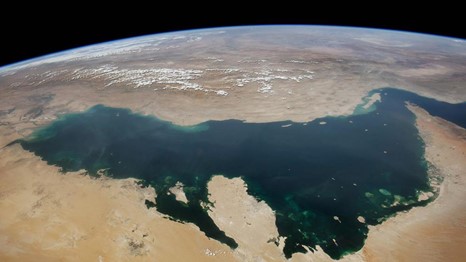
The Persian Gulf is located in Southwest Asia and is part of the Indian Ocean. It divides the Iranian plateau and the Arabian Peninsula and washes the shores of eight countries: Iran in the northeast, Iraq and Kuwait in the northwest, Saudi Arabia in the west and southwest, Bahrain in the west (this is an island state next to Saudi Arabia, it is connected by the King Fahd Bridge 25 km long) Qatar (this is a peninsula in the southwest), the United Arab Emirates in the south, as well as an exclave of Oman called Musandam (the main territory of Oman is located in the southeast of the Arabian Peninsula and is washed mainly by the Gulf of Oman, including the Strait of Hormuz, and the Arabian Sea).

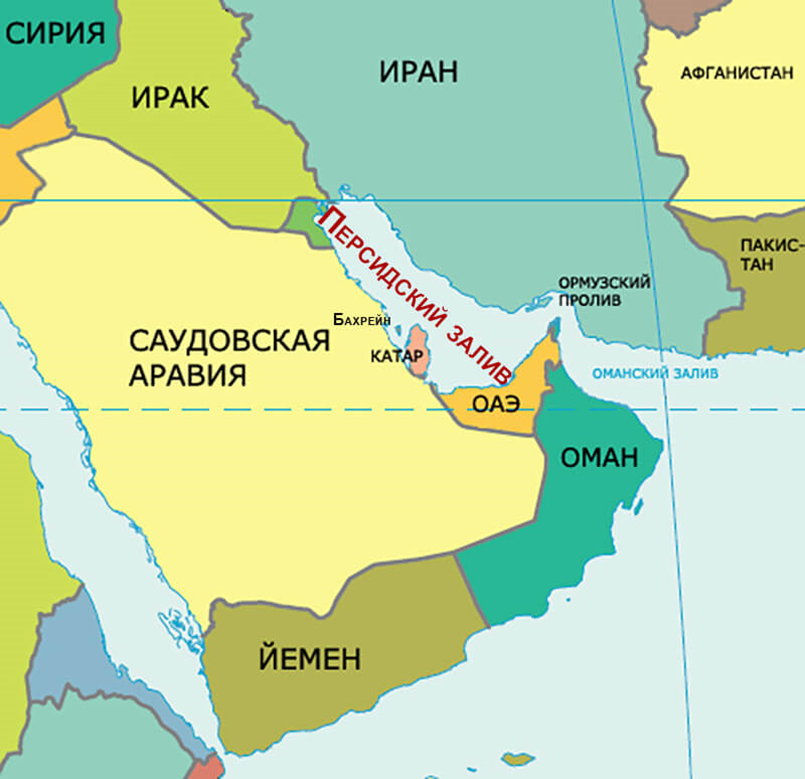
The Persian Gulf States
The exit from the Persian Gulf to the Indian Ocean takes place through the Strait of Hormuz. Oil and gas exports from the Gulf countries pass through it. Overland routes are poorly developed, so all energy supplies go by tankers by water. Since there are no other exits from the gulf except the Strait of Hormuz, it is called the main logistical artery of the Middle East.
The American-Israeli factor and the closure of the Strait of Hormuz
Almost all oil and gas exports from the Persian Gulf go through the Strait of Hormuz, which separates Iran from Oman. For Bahrain, Qatar and Kuwait, this is the only route for exports and imports. According to various estimates, 15-20% of the world’s supplied oil, condensate and petroleum products (from 17 to 21 million barrels) and about 30% of liquefied natural gas (LNG) pass through it. According to OPEC, in 2024, Saudi Arabia was the leader in oil exports in the region (6 million barrels. per day), Iraq (3.3 million) and the UAE (2.7 million). Qatar is the leader in natural gas exports (162.4 billion cubic meters m per year), Oman (16 billion) and Iran (8.9 billion). 200-300 vessels pass through the Strait of Hormuz every day (during peak hours they can pass every six minutes).

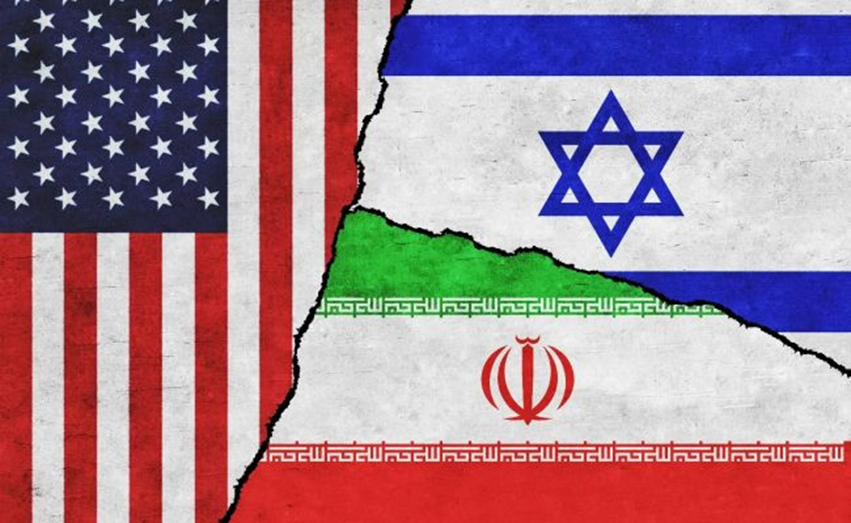
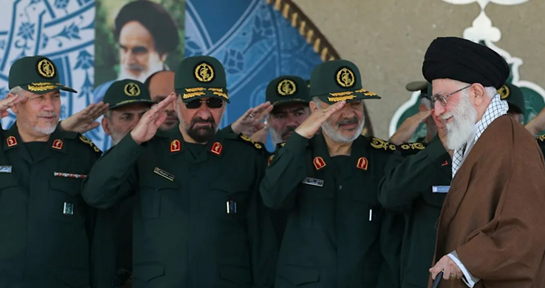
After Israel and the United States launched a military operation against Iran on February 28, 2026, the Islamic Revolutionary Guard Corps (IRGC) blocked the Strait of Hormuz. The IRGC command said that Tehran “will not allow a drop of oil to leave the region” and that if any vessel tries to leave through it, Iran will be forced to strike it. By March 4, according to the corps, he had sunk ten ships flying the flags of Gibraltar, Honduras, the Marshall Islands and the United States with the help of missiles and drones.
Escalation of the conflict in the Middle East
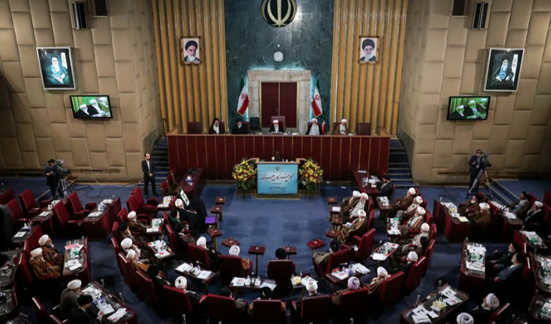
The earliest Israeli and US strikes killed Supreme Leader Ali Khamenei and the Iranian army leadership.

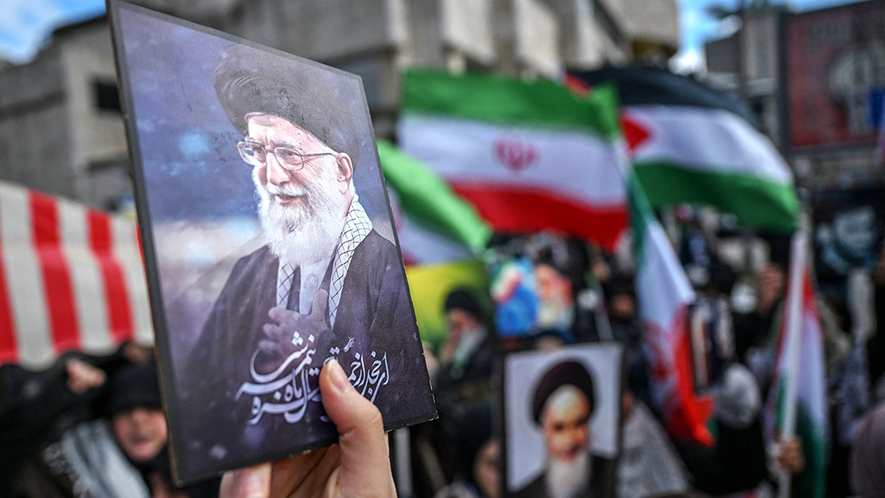
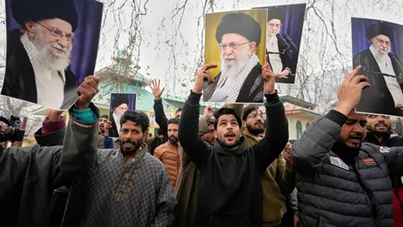
Declaration of mourning in Iran over the assassination of Supreme Leader Ali Khamenei
Now the United States and Israel continue to strike at private and passenger ships in the Persian Gulf. If these attacks continue, Tehran will take retaliatory measures, said Ebrahim Zolfagari, an official representative of the central headquarters of the Khatam al-Anbiya military command.
“The United States and Israel, due to their continued defeats on the battlefield and their inability to withstand the attacks of the Iranian armed forces, began attacking private and passenger ships in the Persian Gulf,” Zolfagari was quoted by the Iranian television channel SNN.
He added that if such “despicable” attacks by the United States and Israel continue, Iran will take “retaliatory and serious” measures.
Meanwhile, the administration of US President Donald Trump rejected the efforts of the Persian Gulf countries to establish a ceasefire in the Middle East, as reported by the Reuters news agency.

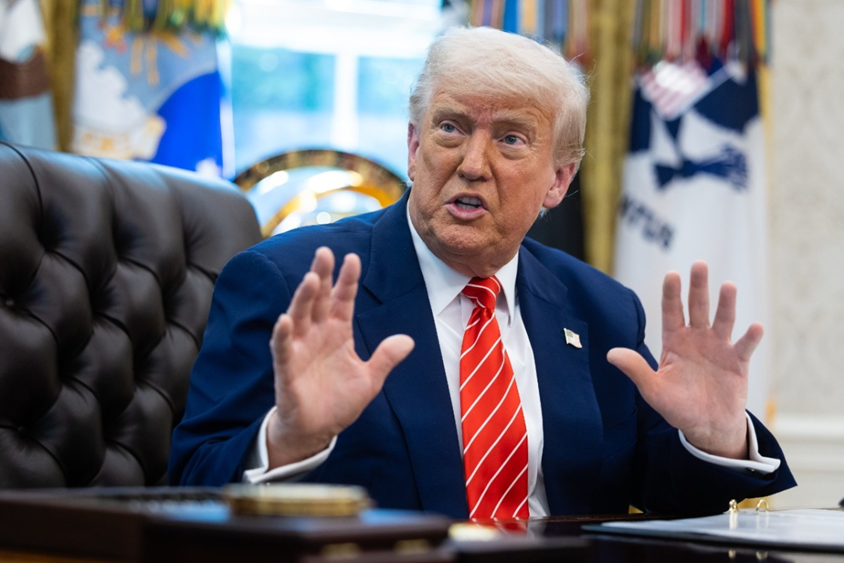
US President Donald Trump
It is noted that Iran, in turn, is not ready to discuss a cease-fire while the United States and Israel continue intensive bombing and do not agree to partial payment of reparations for the damage caused. According to Reuters, Oman, which acted as an intermediary between Tehran and Washington before the outbreak of hostilities, tried several times to open a communication channel between the countries, but the White House made it clear that it was not interested in this.

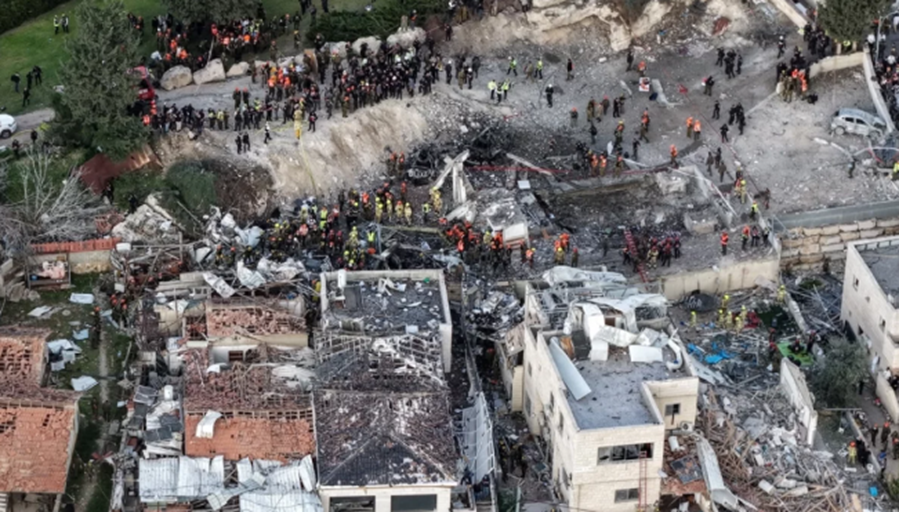
The scale of the airstrikes
The agency stressed that Trump intends to continue the military campaign.
“He’s not interested in negotiating right now. We are going to continue our mission. Perhaps negotiations will begin one day, but not right now,” said a representative of the Washington administration.
The reaction of the international community
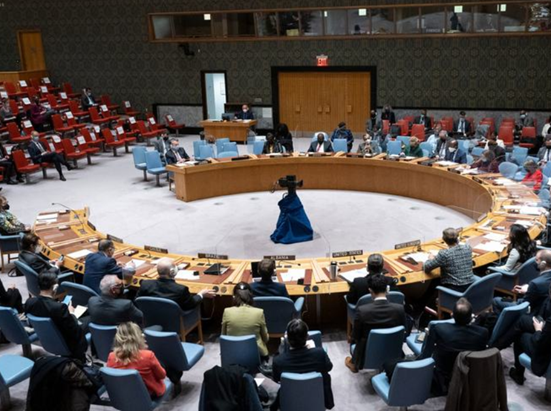
UN Secretary-General Antonio Guterres condemned the military escalation in the Middle East, noting that the use of force by the United States and Israel against Iran and Iran’s retaliatory measures undermine international peace. Guterres made a written statement through the office of the UN Secretary General’s press secretary regarding the US and Israeli strikes on Iran.
“I condemn the military escalation in the Middle East. The use of force by the United States and Israel against Iran and Iran’s retaliatory actions undermine international peace,” the statement said.
He called for an immediate cessation of hostilities and a reduction in tensions.
“Failure to do so will create serious consequences for civilians and regional stability and increase the risk of wider regional conflict. I urge all parties to return to the negotiation process immediately,” Guterres stressed.

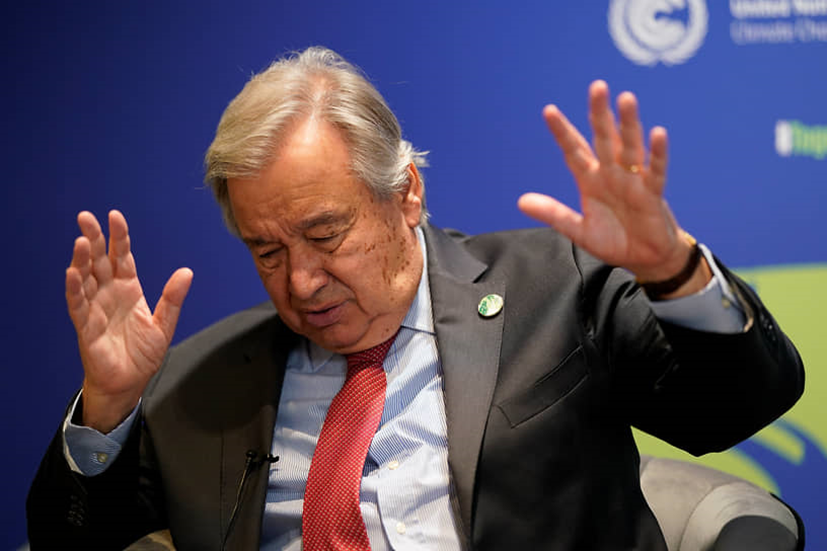
UN Secretary-General Antonio Guterres
He also noted that all Member states must respect their obligations under the UN Charter and international law. The UN Charter explicitly prohibits “the threat of the use of force against the territorial integrity or political independence of any State.”
But the statements of the UN Secretary General did not have the desired effect – the war continues, and every day it becomes more violent. Israel and Iran have closed their airspace, a state of emergency has been declared in Israel, sirens are sounding, and the population is heading en masse to bomb shelters.
Moreover, the conflict affects the territories of other States in the region, causing enormous damage in various areas. For example, according to the management of Formula 1, the Grand Prix stages in Bahrain and Saudi Arabia were canceled due to the tense situation in the Middle East.
Conclusion
Thus, the military escalation between Iran, the United States and Israel in 2026, accompanied by the blockade of the strait and attacks on merchant ships, significantly complicates the situation, threatening the global security of energy supplies. Despite calls from the international community for de-escalation and peace talks, the conflict continues, causing serious damage to the regions and affecting the economic and social stability not only of the Middle East, but also of the entire world. This underscores the need for urgent diplomatic efforts to restore peace and ensure long-term security in this crucial geopolitical hub. Unfortunately, international structures have not yet demonstrated the ability to influence what is happening, and key decisions are made by the direct participants in the conflict.
Scenario 1. Rising tension in the region: The military conflict between Israel, the United States and Iran will continue to escalate. The closure of the Strait of Hormuz will continue, leading to significant disruptions in oil and gas exports, causing an increase in global energy prices and exacerbating economic instability. Tensions could spread to other countries in the region, causing widespread destruction and a humanitarian crisis. The international community will be powerless to prevent further escalation due to the parties’ unwillingness to compromise, which will worsen the political and economic instability of the Middle East.
Scenario 2. Increased tension and progressive deterioration of the situation: The efforts of international mediators, including the UN and other countries, will lead to the containment of the conflict and the transition to peaceful negotiations. As a result of diplomatic efforts, the Strait of Hormuz will be opened to free navigation, which will allow oil and gas supplies to be restored. The parties will agree on a ceasefire, which will lead to a gradual reduction in tension and restoration of trust. Economic and social stability in the region will gradually improve, and the international community will implement programs to restore infrastructure in States affected by the fighting.