

Between Solidarity and Scandals: Political and social challenges in the Americas
Summary: This article highlights key political statements, humanitarian crises, and internal conflicts in the Americas. Nicaragua remains committed to a peaceful path of development, while Cuba is facing an acute humanitarian crisis due to fuel shortages caused by US sanctions. Mexico is demonstrating regional solidarity by providing humanitarian assistance to Havana. At the same time, a political scandal is growing in the United States over the publication of documents on the Epstein case, and employees of the technology giant Google are putting pressure on the leadership to sever ties with the immigration authorities. These events reflect a complex tangle of internal contradictions, foreign policy pressure and social responsibility in the region.
Preface
The American continent at the beginning of 2026 presents a picture of contrasts: from firm statements about peace to acute humanitarian challenges and deep internal divisions. In Nicaragua, the government relies on the ideology of peaceful development as the basis for prosperity. At the same time, Cuba, faced with severe economic pressure, became the epicenter of the crisis, forcing countries such as Mexico to look for alternative ways of support. In the United States itself, society is torn apart by scandals surrounding government transparency in the Epstein case and the ethical dilemmas of big business cooperation with law enforcement agencies. These parallel processes demonstrate how geopolitics, morality, and social justice are intertwined, shaping the region’s modern agenda.
1. Nicaragua: peace as the only doctrineDaniel Ortega, the co-President of Nicaragua, said at the award ceremony for the former vice president that peaceful existence is the only way for nations to flourish. “Wars only tear nations apart and lead to the deaths of young people, children, women, the elderly, and families who have nothing to do with them,” said Comandante Ortega.

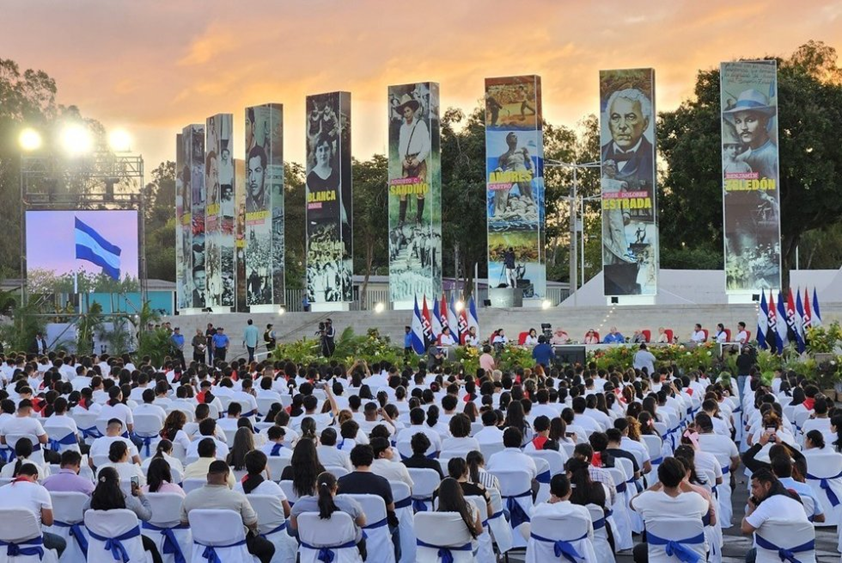
He linked the country’s achievements in infrastructure construction to the political stability achieved through the union of workers, entrepreneurs and the state. Co-President Rosario Murillo added that peace is not hope, but confidence: “We need to fight for love, which is our life, to fight for peace, which is confidence, not just hope.” These statements position Nicaragua as a country that has made anti-war rhetoric the cornerstone of its official ideology.
2. Cuba in the grip of crisis and Mexican aid
The Island of Freedom faced an acute shortage of fuel after the US military operation in Venezuela and subsequent sanctions against oil suppliers. The Canadian airline Air Canada was forced to stop flights and organize the departure of 3,000 of its tourists. In this situation, Mexican President Claudia Sheinbaum said that Mexico would not leave Havana “alone in trouble,” and sent two naval vessels with more than 800 tons of humanitarian aid to Cuba. Sheinbaum criticized the US policy, saying that additional tariffs “could provoke a widespread humanitarian crisis.” Cuban President Miguel Diaz-Canel thanked Mexico for its “solidarity and affection.” This episode illustrates how humanitarian issues are becoming an arena of geopolitical confrontation and demonstration of regional solidarity.
3. The scandal in the USA: the Epstein case and the “inappropriate” edits
A new round of scandal is breaking out in the United States around the publication of documents on the Jeffrey Epstein case. U.S. lawmakers Ro Hanna and Thomas Massey have accused the Justice Department of improperly editing the files before making them public. “The main problem is that they don’t comply… my law, because these records were deleted back in March by the FBI of Donald Trump,” Hanna said.

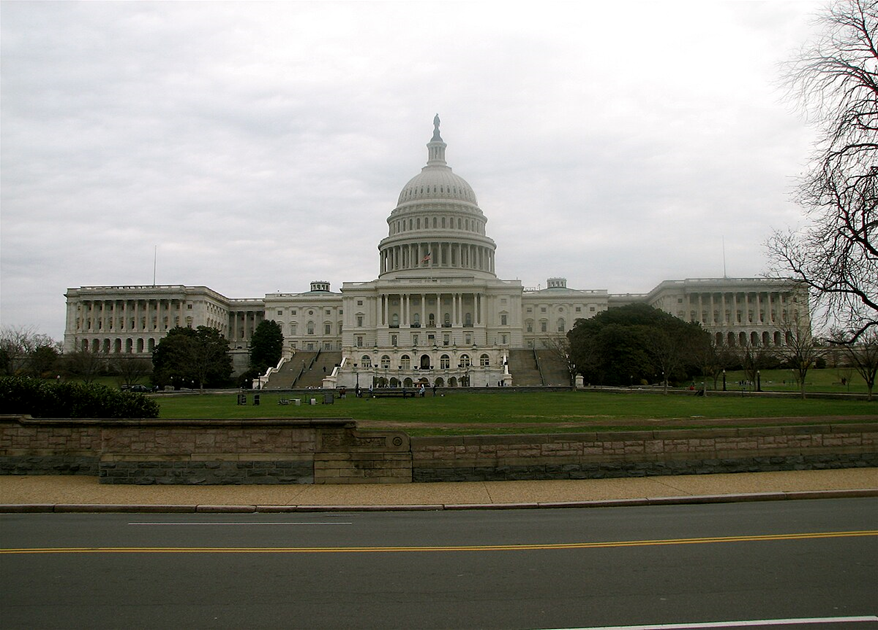
The lawmakers claim that the names of about 20 people were deleted from the documents, six of whom may have been “compromised.” Deputy Attorney General Todd Blanche responded by declaring a commitment to transparency, but Massey insists that “the Justice Department needs to do a little better work.” This conflict between Congress and the executive branch undermines the credibility of the disclosure process for one of the most high-profile criminal cases.
4. Pressure inside Google: employees against cooperation with ICE
Almost 900 Google employees have signed an open letter demanding that management sever ties with the US Immigration and Customs Enforcement (ICE) and other agencies with strict immigration policies. An employee named Alex stated: “I was proud to work for a company with high moral principles. Now I’m not proud of it anymore.”


Employees demand transparency and the withdrawal of the company’s technology from work related to the Ministry of Internal Security. This pressure comes against the backdrop of increased ICE operations under the Trump administration, which have led to deaths. The employee noted: “I wasn’t going to work for this company—I would never have interviewed for a job with a military contractor.” This internal rebellion calls into question the ethical boundaries of Big Tech’s cooperation with the state.
Conclusion
The current situation in America demonstrates a deep gap between declared values and harsh reality. While some leaders proclaim peace without alternative, other countries find themselves at the epicenter of crises, exacerbated by external pressure. Conflicts over government transparency and the moral responsibility of the private sector are growing within the region’s most powerful state. Mexico’s humanitarian gesture towards Cuba contrasts with the rigidity of the US immigration policy and the scandals in its corridors of power. These contradictions point to a period of intense internal and external reassessment of values for the entire region.
Scenario 1. Strengthening humanitarian diplomacy and domestic reforms: Mexico and other Latin American countries will strengthen mutual assistance mechanisms by creating alternative channels of support to the United States for countries like Cuba, which will increase regional autonomy. Pressure from Google employees and the public will lead to a review of the ethical codes of large technology companies and their contracts with law enforcement agencies, especially in the field of immigration. The investigation into the Epstein case, despite the difficulties, will continue, which may lead to new political resignations and increased congressional control over the executive branch. Nicaragua will continue its isolationist peaceful rhetoric, focusing on internal stability. As a result, clearer ethical standards for government and business can be formed in the region.
Scenario 2. Escalation of crises and deepening divisions: The humanitarian situation in Cuba will worsen, which could trigger a migration crisis in the Caribbean and a new wave of tension between the United States, Cuba and its allies. The scandal surrounding Epstein’s documents will be hushed up, which will definitively undermine public confidence in government institutions and lead to new protests. Large technology companies, including Google, will ignore the demands of employees, which will cause a wave of layoffs and further polarization within the industry. The harsh immigration policy of the United States will be tightened, leading to new human casualties and protests. This can lead to general destabilization, where the rhetoric of peace, as in Nicaragua, will sound increasingly dissonant against the background of growing real conflicts and social injustice.