07.03.2026

Analytics

Analytics

Analytics

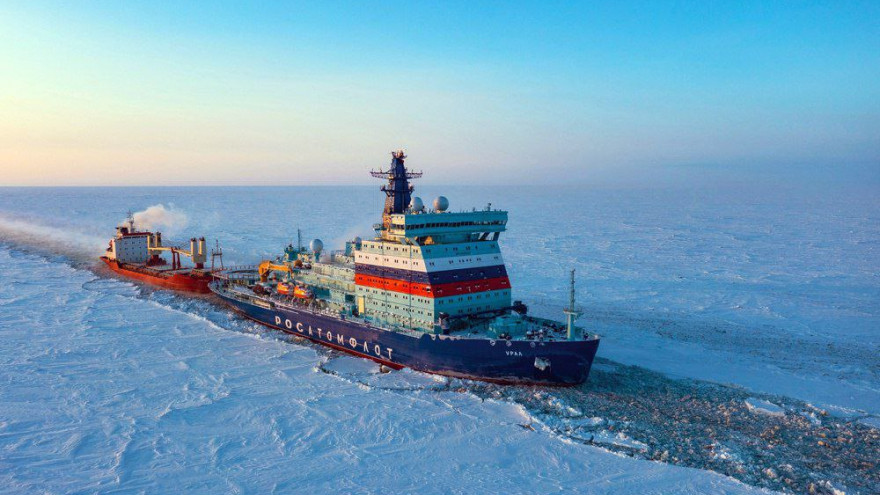
Prospects for the International Use of the Arctic in the Context of an Emerging Multipolar World

In the modern world, there are practically no “blank spots” left. Since the era of the great geographical discoveries, humanity has relentlessly moved toward the conquest of the entire planet. There are no land areas where the human foot has not set, no seas where humans have not ventured, and with the development of aviation
Read More

The Arctic as a Zone of Global Engagement. Interests of Arctic States in the Northern Region

Against the backdrop of global climate warming, which is gaining momentum due to the emission of vast amounts of greenhouse gases into the atmosphere, there is a growing interest from various countries in the Arctic. This is explained by several reasons: first, climate warming has led to a reduction of the ice cover to nearly

Read More

Nepal: Opportunities Through Transit Agreements and Port Development 

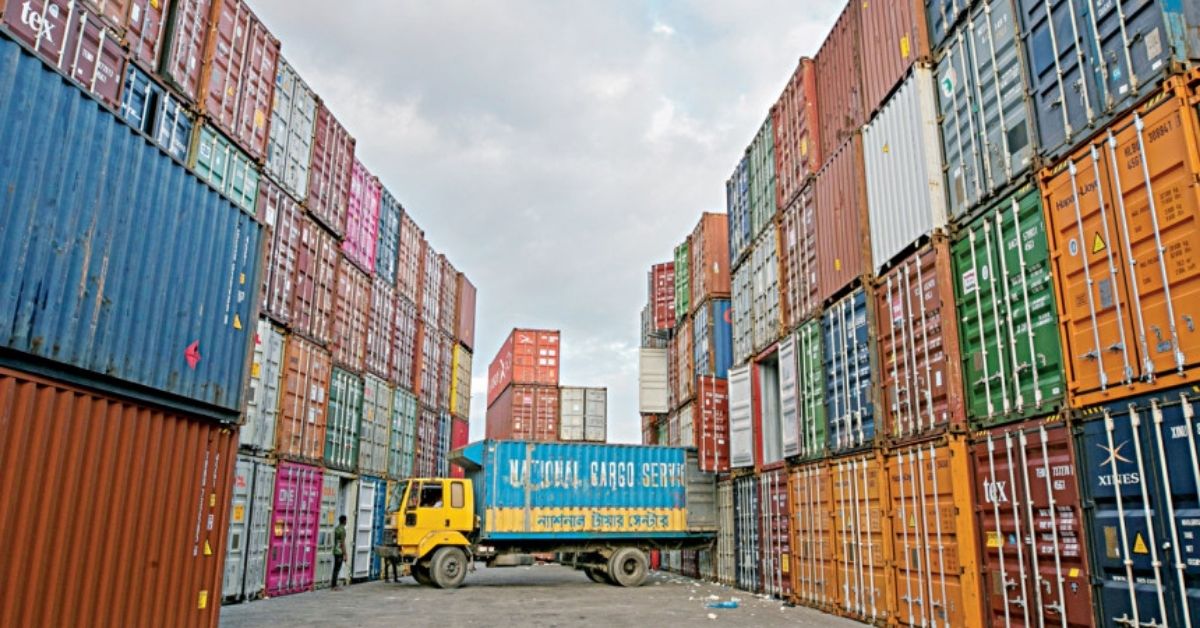
Nepal, a landlocked mountainous country, faces a significant challenge in its economic development due to its reliance on trade through neighboring countries’ ports. In this context, negotiating transit agreements with India and investing in port infrastructure, such as the establishment of a Nepalese terminal at the port of Kolkata, are vital for economic growth, monetary

Read More

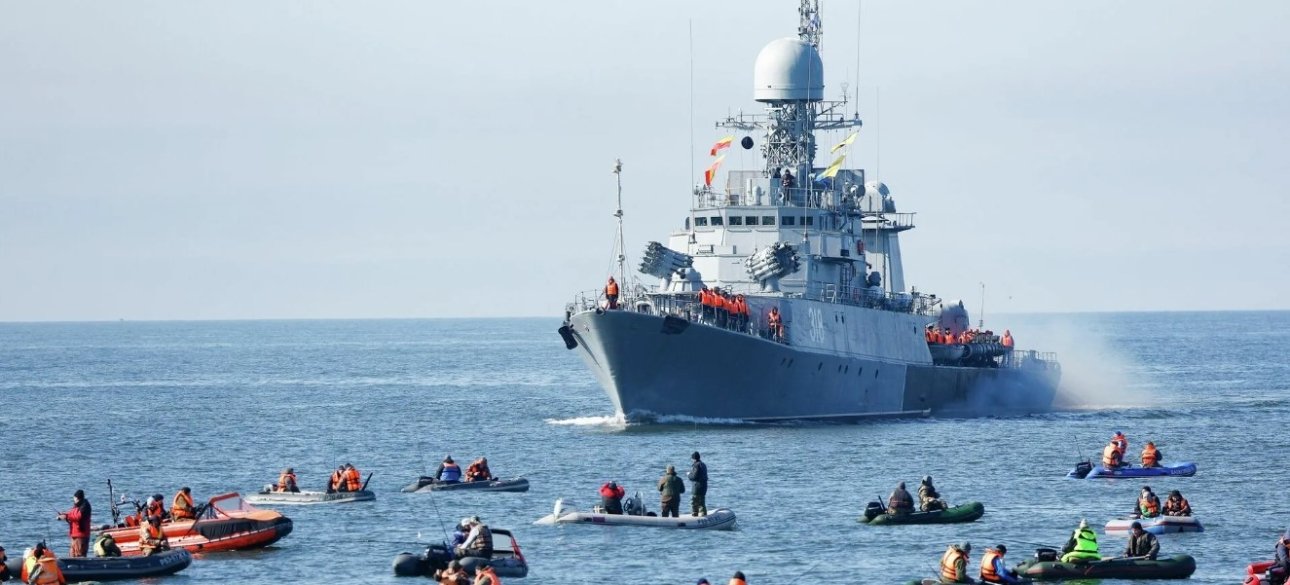
The Baltic Sea: A Hot Spot Between NATO and Russia 

When NATO was created, its goal was to coordinate and respond to a Soviet aggression against any member of the Atlantic Alliance; similarly, the USSR established the Warsaw Pact, which faded after the fall of the Soviet Union in 1991. This distinctive fact was what temporarily transformed the nature of NATO. It shifted from a

Read More

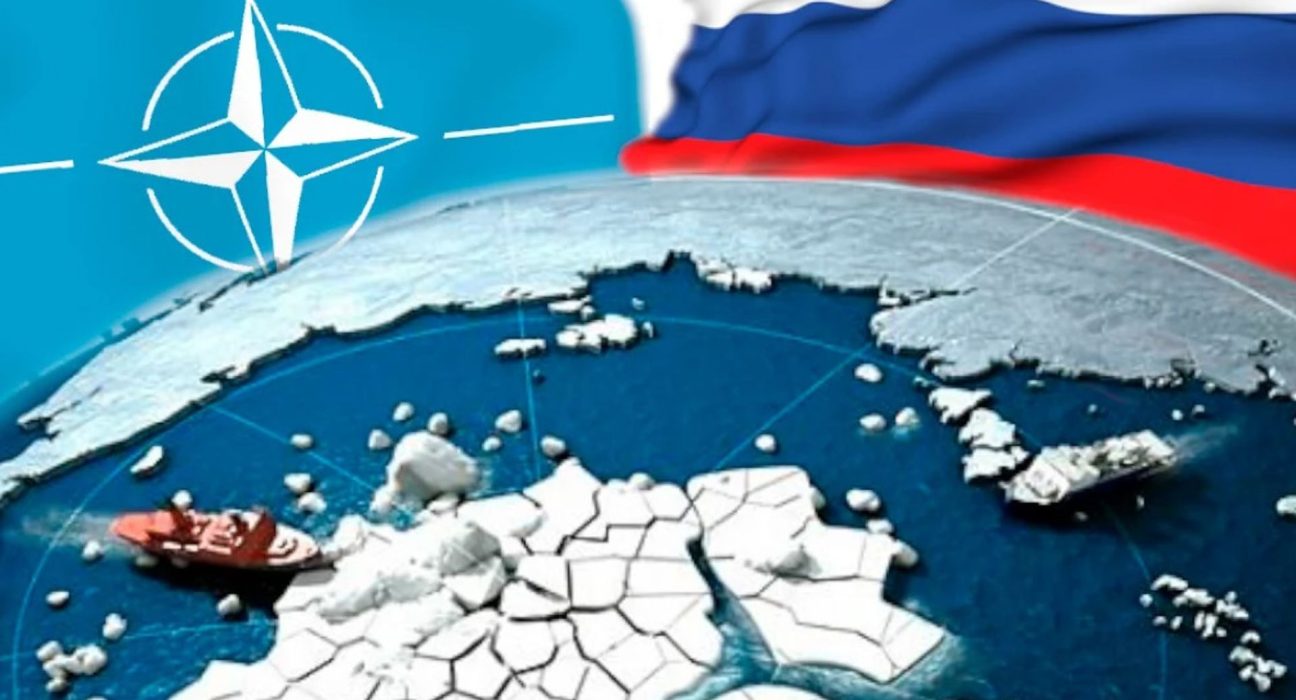
The Ring of Fire against Russia, from the Arctic to the Caspian

Contemporary geopolitics has been profoundly influenced by the rivalry between the United States and Russia, a confrontation that has intensified in various regions of the world, from the northern seas, such as the Arctic, to the Black Sea. This article explores how U.S. control aspirations in Greenland, NATO’s expansion in the Baltic, and tensions in the

Read More

Oman Vision 2040: Maritime Projection Strategies and Geopolitics

Oman Vision 2040 represents an ambitious development plan aimed at diversifying its economy, improving infrastructure, and strengthening its geopolitical position in the region and beyond. This strategy seeks to capitalize on Oman’s strategic geographical location, acting as a bridge between the Middle East and South Asia, as well as between the Arab world and East Africa.

Read More

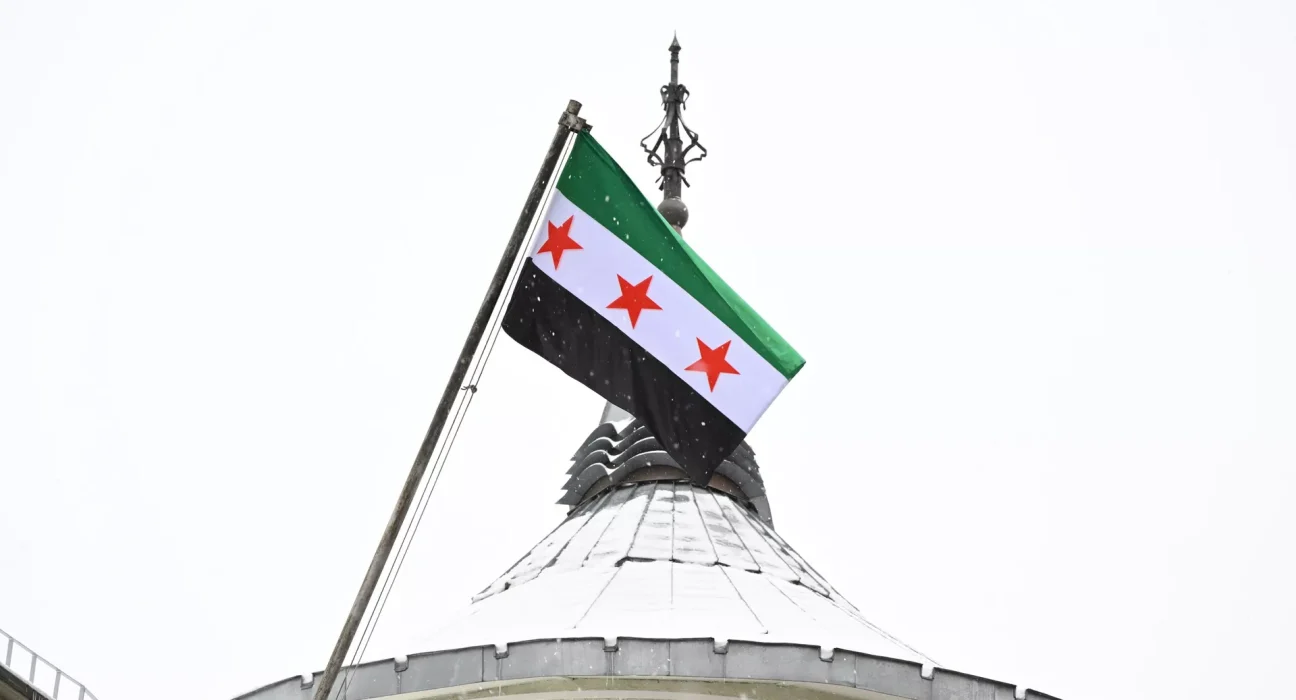
Analysis of the Situation in Syria

The conflict in Syria, ongoing since 2011 and culminating in the overthrow of President Bashar al-Assad’s regime on December 8, 2024, followed by Moscow granting him political asylum, holds a special place among the series of Middle Eastern conflicts and has effectively opened a new era in global geopolitics. The Middle East (as well as

Read More

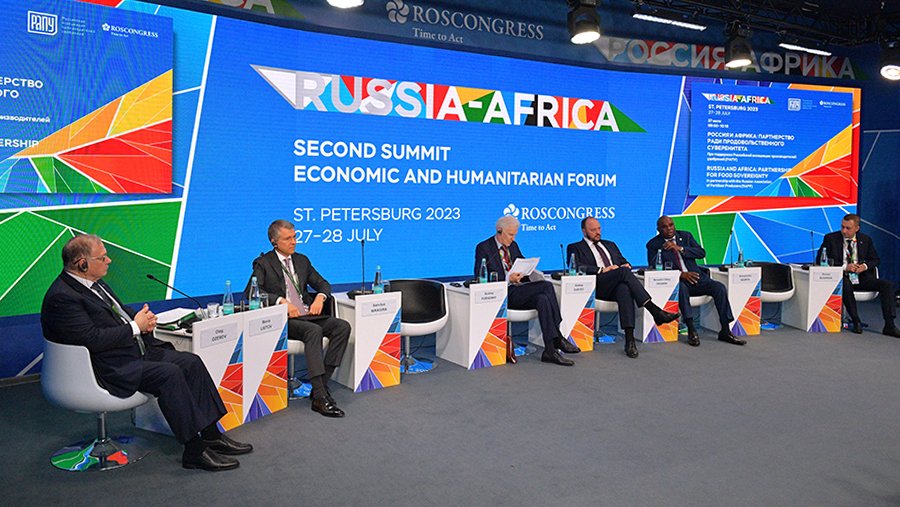
Analysis of Prospects for Russia–Africa Cooperation in the Energy Sector

The African continent is once again attracting close attention. If not long ago Africa was predominantly discussed in terms of global segregation and hierarchy, and even earlier — from the perspective of colonial / neocolonial policy — today it is considered through the lens of the aspirations of the Global South and the relatively near

Read More

Challenges of Modern Journalism through the Lens of the International Forum SHUM

Topics: Media in the Era of a Multipolar World Challenges of Honest JournalismYouth Initiative in Journalism Forum SHUM as a Platform for International Media Communication From October 26 to November 1, 2024, the international stage of the media forum SHUM took place in Kaliningrad, Russia. This forum served as a platform for global communication among

Read More

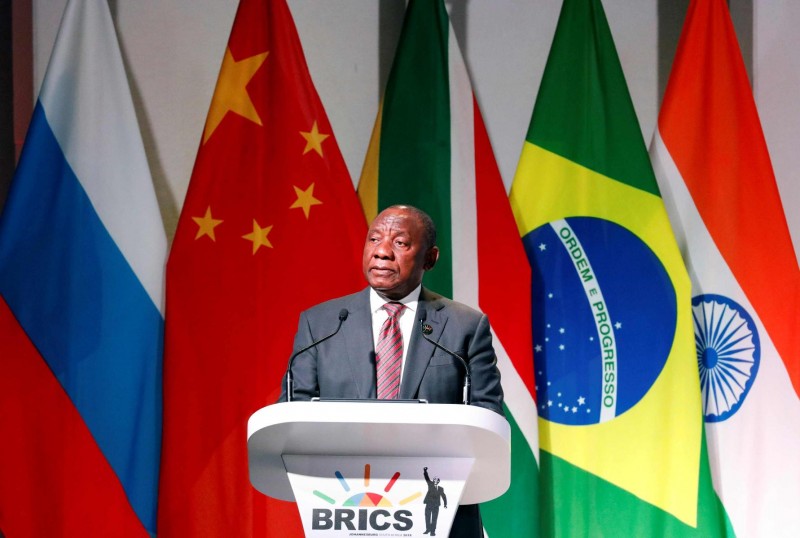
Emerging Opportunities for African Countries within the Framework of BRICS Cooperation

One of BRICS’ key principles is “fair multilateralism.” This appeals to many countries that disagree with U.S. unilateralism and the broader Western agenda of maintaining hegemony. This applies not only to the leading countries (China, Russia, India) but also to Global South nations. A significant portion of these are African countries, which see BRICS as

Read More