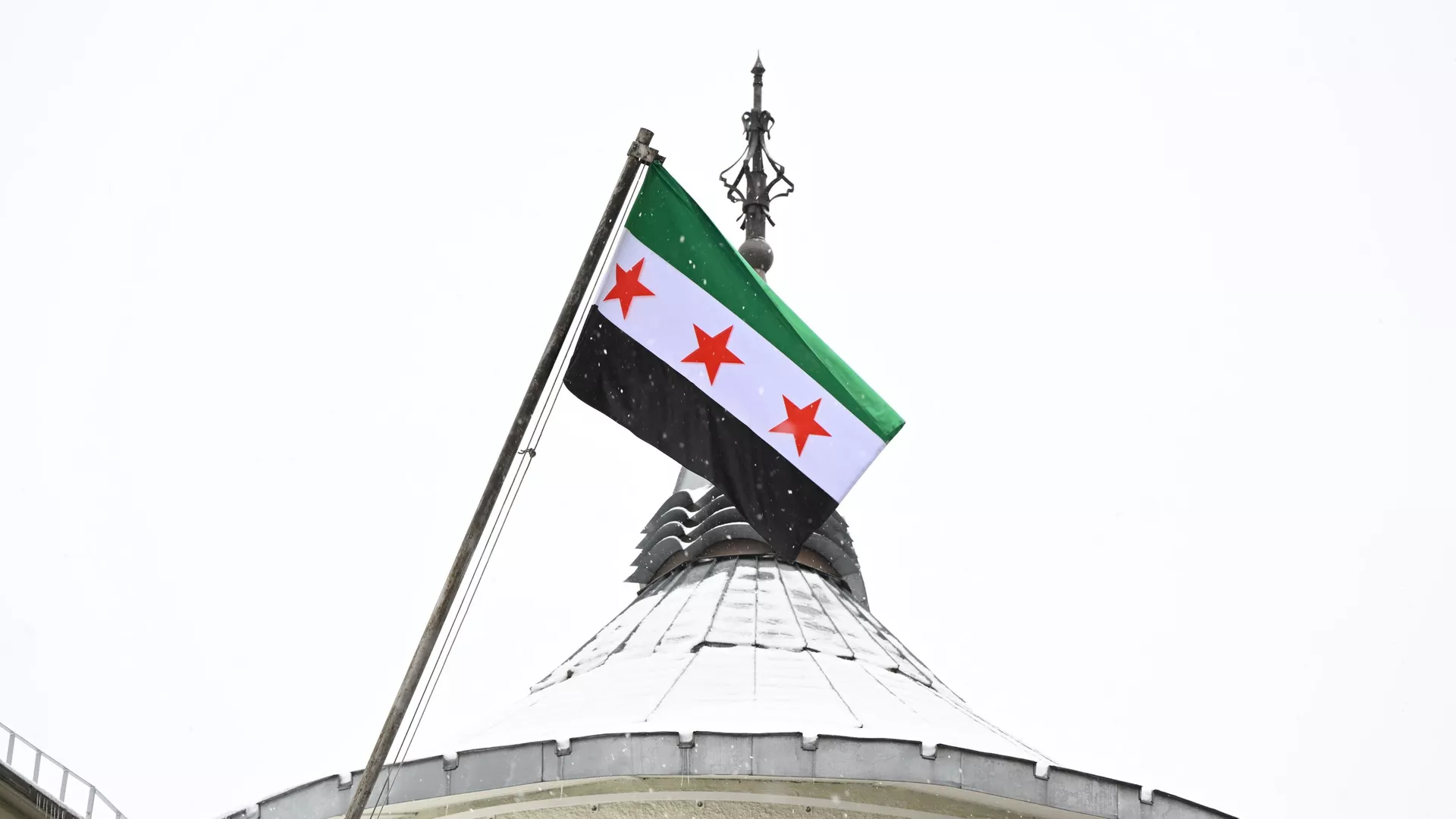
The conflict in Syria, ongoing since 2011 and culminating in the overthrow of President Bashar al-Assad’s regime on December 8, 2024, followed by Moscow granting him political asylum, holds a special place among the series of Middle Eastern conflicts and has effectively opened a new era in global geopolitics. The Middle East (as well as the countries adjacent to the region), where enormous hydrocarbon resources — still the foundation of the modern economy — are concentrated, has long been a kind of “powder keg” on a global scale. The crises in Afghanistan and Iraq, the ongoing Israeli-Palestinian conflict, conflicts in other states of the region, and the involvement of nearly all major actors in world politics, along with all related consequences, demonstrate the priority of the events unfolding here for understanding the geopolitical landscape in an era of growing turbulence. In this regard, the developments in Syria — often referred to as the “keystone” of the entire Middle East — undoubtedly reflect this reality.
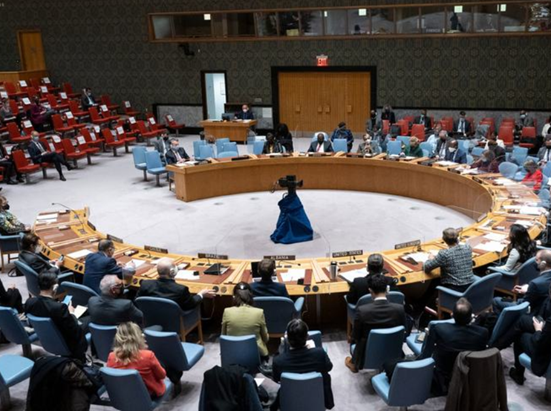
The conflict that had been unfolding for more than a decade escalated and entered a new phase due to a number of factors. First and foremost was the economic situation in the country. Under years of sanctions and continuous military hostilities, Syria’s economy was left in ruins, and the population was plunged into abject poverty, surviving largely on humanitarian aid. A state unable to sustain its government apparatus and security services is not viable. Domestic and foreign political factors also played a significant role: the delegitimization of the regime and its inability to reach an agreement with the opposition (or to suppress its illegal activities), the presence of external actors with completely divergent interests, and the impossibility of reaching a broad international consensus on the Syrian question under the auspices of global institutions. One should also not disregard the ethnic, religious, and other contradictions that had been accumulating for decades, as well as the consequences of the largely arbitrary delineation of borders in the region following the collapse of the empire.
However, to a large extent, a key role in the events that unfolded was played by the active operations of Islamist terrorist groups, the leading one being Hay’at Tahrir al-Sham, headed by Abu Muhammad al-Jawlani (Ahmad al-Sharaa) — the effective successor to Jabhat al-Nusra, the Syrian branch of al-Qaeda. For a long time, given al-Jawlani’s friendship with the deputy leader of the Islamic State in Iraq, later the Islamic State in Iraq and the Levant (ISIS), Abu Bakr al-Baghdadi’s associate Abu Muslim al-Turkmani, he received financial aid and weapons from that organization. Their relationship later deteriorated, leading to armed clashes and a declaration of independence. When examining the question of who sponsors this organization, a particularly interesting fact emerges: both al-Jawlani and al-Turkmani, having previously fought against U.S. forces, were arrested and imprisoned (where they reportedly befriended each other), and were released in the pivotal year of 2011. This immediately raises the question: Cui bono? (“Who benefits?” in Latin).
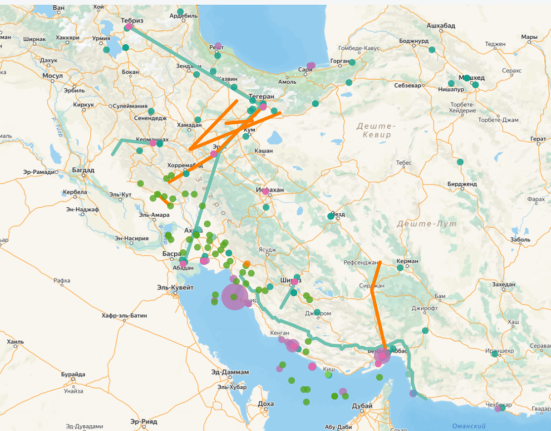
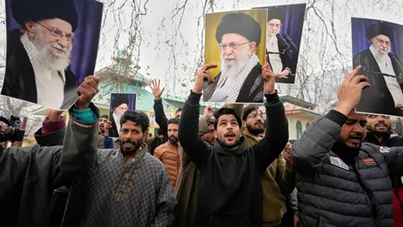
The leading regional actors are undoubtedly Turkey, Iran, and Israel. Turkey, under the leadership of Recep Tayyip Erdoğan and actively promoting ideas of pan-Turkism and neo-Ottomanism, has become one of the main beneficiaries of the current situation: control over northern and northeastern Syria and the elimination of what was until recently a relatively strong regime allow Ankara to secure its southern borders, partially address the Kurdish issue, and potentially improve the humanitarian situation — primarily with regard to refugees. Iran’s restrained policy, which at times causes bewilderment but is largely explained by its internal problems, has led to the practical collapse of the network of allies it had spent years building — the so-called “Axis of Resistance”, a unified belt of Tehran-aligned partners stretching from the borders of the Islamic Republic to the Mediterranean. Israel, supported by its Western allies, is also among the beneficiaries of the current developments. By establishing a buffer zone beyond the occupied Golan Heights — the former positions of the Syrian military on Mount Hermon — and advancing further while effectively destroying the military potential of the Syrian army through a series of strikes, Israel has once again demonstrated its strength and its determination to control the border areas (and beyond), including at Iran’s expense.
A special role belongs to the Arab monarchies of the Persian Gulf. In this conflict, they adhere to their now-traditional policy of providing “moral support” to the Arab population while maintaining a certain equal distance from the main actors and remaining committed to their own national interests, which lie primarily in the economic sphere.
Among global actors, the United States and Russia have demonstrated the greatest level of involvement. The United States, which has long pursued a policy of “managed chaos” that enables it to establish control over various regions of the world under the banner of promoting democracy, human rights, and the overthrow of dictatorial regimes, has so far gained primarily political dividends — achieving its long-standing goal of seeing the fall of Assad, who was supported by Russia. The actively proclaimed fight against Islamism and terrorism in the region is largely formal, while in practice it allows Washington to reap clear strategic benefits. A separate question is which side played the decisive role in the current situation — the outgoing Biden administration or the newly elected president, Donald Trump? Taking into account Trump’s special relationship with Israeli Prime Minister Benjamin Netanyahu (one of the main beneficiaries), as well as his desire to accumulate as many bargaining chips as possible for negotiations with Russia, the latter seems more likely.
Russia, which supported Assad’s ruling regime until the very end — guided by its traditional, largely idealistic commitment to honoring established agreements and confident in the sufficiency of its military presence — ultimately lost control over the situation. Although the early December replacement of the commander of the Russian contingent in Syria (Lieutenant General Sergey Kisel replaced by Colonel General Aleksandr Chaiko, who had previously served twice in Syria) indicates renewed attention, the situation could not be resolved. As a result, Russia has been forced to negotiate with Turkey on the safe withdrawal of a significant portion of its military personnel. In practice, it is left with the naval and air bases in Tartus (often referred to as Russia’s “gateway to Africa”) and Khmeimim, whose future will now be determined by the new authorities — or, more precisely, by the forces controlling them.
In the current situation, Russia has demonstrated itself, on the one hand, to be a state that supports its allies to the very end, and on the other hand — due to objective factors (the long and costly conflict in Ukraine, harsh sanctions, etc.) and subjective ones (difficulties in forecasting developments, Assad’s own position) — has been forced to effectively withdraw from Syria, significantly weakening its position in the region.
How might this situation affect the conflict in Ukraine, which is undoubtedly of far greater importance to Russia? Russia is relieved of substantial military expenditures, and both these resources and additional troop contingents can be redirected to the Special Military Operation zone. At the same time, according to many experts, the Trump administration is likely to gain a certain advantage (bargaining over the future of Russian military bases in Syria) in the repeatedly announced negotiations on Ukraine. It should also not be forgotten that Turkey’s influence has grown, and Ankara may be able to use the situation in favor of the West’s position.