
New challenges and strategies: resources, security and regulation of social networks in Oceania
Brief description: This article is an overview of the current geopolitical situation in Oceania and Australia. EU initiatives to invest in the Australian mining sector to ensure independence in the supply of rare earth metals are highlighted, as well as other international news: Australia and New Zealand’s participation in the arms procurement program for Ukraine through NATO and the introduction in Australia of the world’s first law banning social networks for minors, reflecting global trends towards regulating digital platforms. and strengthen security.
Preface
In the modern world, geopolitical and technological centers have a significant impact on the development of global infrastructure and security aspects. The European Union is taking active steps to ensure its own energy and technological independence, especially in the field of rare earth metals, necessary for defense and high-tech industries. At the same time, Australia and New Zealand are strengthening their positions in the international arena by participating in arms procurement programs for Ukraine and taking new measures to regulate digital platforms. Among them is the world’s first law banning the use of social media by minors, which reflects global trends in tightening control over the impact of technology on the younger generation. In the face of increasing competition and the growing importance of information security, these international initiatives are shaping a new agenda in politics, economics, and digital regulation.
EU and Australian resources: what are the plans?
The European Union plans to invest in Australian mining companies for access to rare earth metals in competition with China and the United States. This was stated by European Commissioner for Trade Maros Sefcovic.
According to Sefcovic, European investments may include the acquisition of stakes in Australian companies, the conclusion by the governments of individual EU countries of agreements on the supply of raw materials or joint financing of projects for the extraction of rare earths. The European Investment Bank may act as one of the sources of investments in the mining sector of the Australian economy.
In addition, the European Commissioner previously met with the Australian Minister of Trade and Tourism, Don Farrell, and the Minister of Resources and Northern Australia, Madeleine King, to discuss with them the supply of Australian minerals to EU countries.“We are talking about everything from mining, refining and processing to the use of critically important minerals,” said Maros Sefcovic, who is on a visit to Australia.

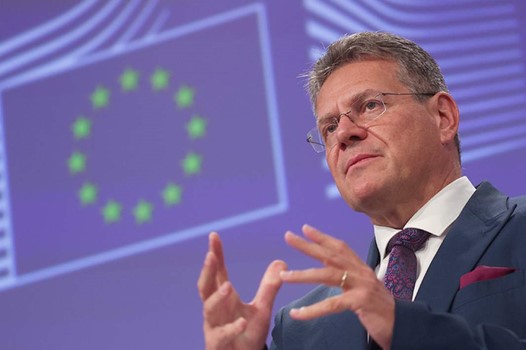
Maros Sefcovic, European Commissioner for Trade
Many believe that China is one of the market leaders in rare earth metals, which are in demand in the defense industry and semiconductor manufacturing. To keep up with China, in October 2025, the United States signed an agreement with Australia on investments in Australian mining companies. As previously reported by the Financial Times newspaper, the EU plans to create a body coordinating the procurement and storage of critically important minerals in order to prevent a situation where all their sources will be under the control of the United States and China.
It can be concluded that the EU intends to invest more actively in the Australian mining sector and conclude agreements to ensure independence from China and the United States in the supply of rare earth metals, which indicates its desire to strengthen energy and technological security in the global market.
Australia and New Zealand in the program for the purchase of weapons for Ukraine
Australia and New Zealand have joined the NATO program for the purchase of weapons from the United States for Ukraine (PURL). This was stated by NATO Secretary General Mark Rutte at a press conference following a meeting of NATO foreign ministers in Brussels.“Australia and New Zealand became the first non–NATO countries to join the PURL program,” Rutte said.

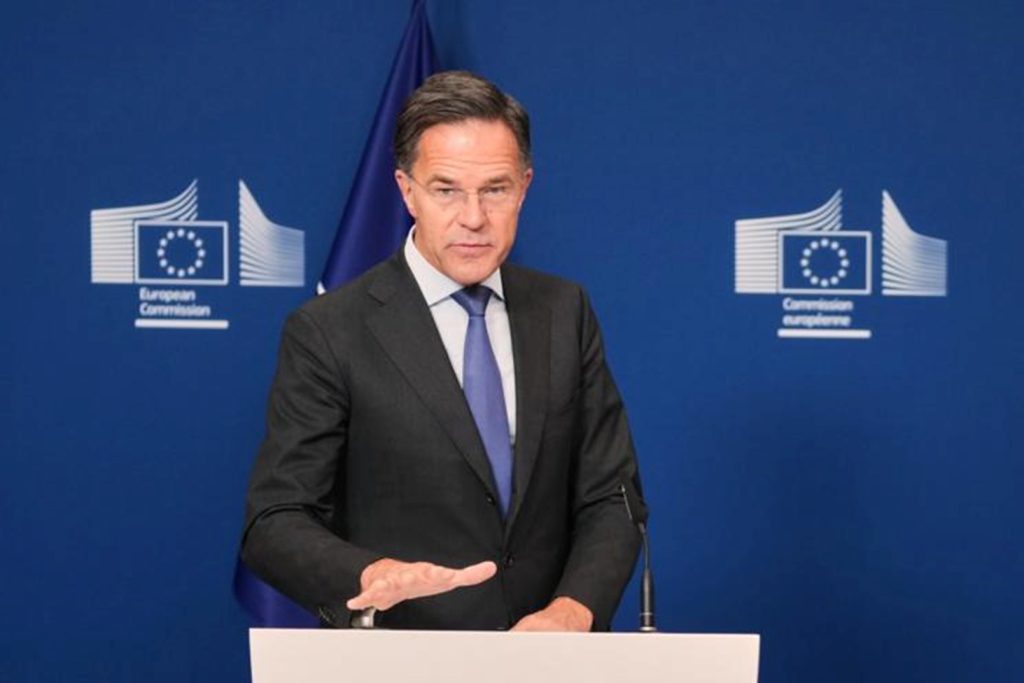
NATO Secretary General Mark Rutte
He stressed that currently two thirds of NATO states have announced their participation in the PURL program, which in total from August to the end of this year will ensure the purchase of weapons from the United States for Ukraine for “more than $ 4 billion.”
This program provides for structured purchases of American weapons by European NATO countries and Canada for the needs of Ukraine through the structures of the North Atlantic Alliance.
Earlier, Rutte said that next year he expects the supply of weapons under this program for Ukraine at the level of $1 billion per month. This amount does not include its own arms supplies, which are sent to Kiev by European countries. In particular, according to the European Commission’s plan for 2026-2027, all EU countries intend to spend 115 billion euros on Kiev’s military needs.
Ban on social media for Australian teenagers
On December 10, amendments to the Internet Security Act come into force in Australia. They prohibit children under the age of 16 from using social media. Australia will become the first country in the world to legislate such a ban.
The law requires social media companies to introduce special controls within a year that will prevent minors from owning accounts on their services. Otherwise, corporations will be fined up to 49.5 million Australian dollars ($33 million). The children themselves and their parents will not be held responsible for violating the law. At the same time, parents will not be able to seek exceptions for their children so that they still use social networks. The Office of the Commissioner for Electronic Security forms a list of social networks that are prohibited. Instagram Facebook, Instagram (owned by Meta, recognized as extremist and banned in the Russian Federation), X (formerly known as <url>), and others were included in the banned list. Twitter), YouTube, TikTok, Twitch, Reddit, Snapchat and Threads, as well as the Australian video streaming service Kick.

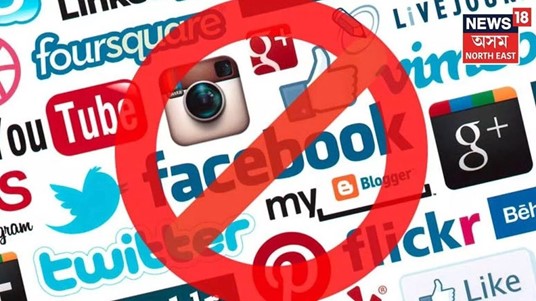
Banning social media
Exceptions have been made for some electronic services that are messengers or are important for education and healthcare. The ban for minors will not apply to Discord, GitHub, Google Classroom, LEGO Play, Messenger, Pinterest, Roblox, Steam and its chat, WhatsApp and YouTube Kids.
Most of the companies affected by the ban have stated that they intend to comply with it. For this, internal algorithms will be used to determine the age based on activity and uploaded photos. If a user over the age of 16 is blocked from their account, they will be able to access it after uploading their identity documents. Meta started deleting accounts on December 4, even before the law came into force. However, not all companies agreed with the ban. Google planned to file a lawsuit and get the ban lifted, insisting that its YouTube video hosting service is not a social network, but can be used without an account, which makes age control meaningless. The owners of Snapchat and Reddit publicly announced their disagreement with the law. The owner of X, Elon Musk, called for delaying the entry into force of the ban and argued that in this way the Australian authorities are putting pressure on freedom of speech on the Internet. The press service of X also called for the introduction of age control at the level of electronic devices, rather than social networks.

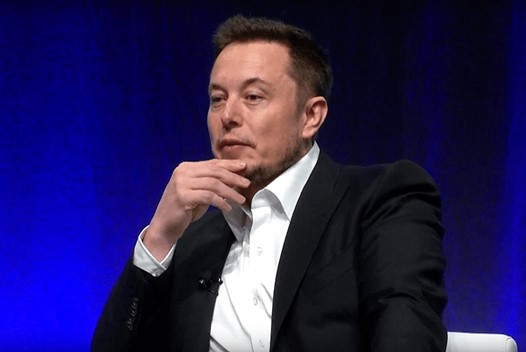
Elon Musk, owner of the social network X
More and more countries in the world are trying to restrict social media for the younger generation, and Australia is the first of them to introduce specific restrictions. At the same time, it will not be the users themselves who will be harassed, but the companies that own online platforms.
Conclusion
Thus, current international initiatives reflect the growing concern of countries in the field of national security, energy independence and protection of the younger generation. The EU is stepping up investments in the Australian mining sector to reduce dependence on China and the United States for rare earth metals supplies, indicating a desire to strengthen its technological and energy security. By joining Ukraine’s support programs and imposing strict restrictions on the use of social media by minors, Australia and New Zealand are demonstrating efforts to strengthen control over external and internal threats, as well as protecting the interests of the younger generation. These measures reflect the changing policies and strategic priorities of States in the context of global competition and the information age, emphasizing the role of security and sovereignty in the international arena.
Scenario 1. “Strengthening Australia’s cooperation with the EU and the USA”: The USA and Australia strengthen their partnership by supporting a coordinated global rare earth metals market with the participation of the EU – competition with China becomes multilateral. Australia and New Zealand are successfully integrating into the NATO PURL program, ensuring stable arms supplies to Ukraine and strengthening their international influence. Australia’s domestic policy is becoming tougher: control over the digital environment is increasing in the public interest. Scenario 2. “Escalation of competition and contradictions – risks and challenges”: The EU and the US seek to monopolize access to Australian rare earth resources by stepping up investments and creating regulatory structures. This increases competition with China and increases price volatility in the global minerals market. These actions provoke a retaliatory tough stance by China, the possible imposition of restrictions on the export of rare earths and trade sanctions against the members of the alliance. Ukraine’s weapons program and the introduction of strict Internet bans in Australia are causing extensive discussions. Large-scale protests are emerging within Australia among teenagers, human rights activists, and tech companies against the ban on social media, leading to lawsuits and tension in society.