
Region in Turbulence: Rolling Back Diplomatic Initiatives and Forming New Alliances
Summary: This article examines the key events in the Middle East in November 2025. The reporting period was marked by the definitive winding down of previously discussed diplomatic frameworks, in particular the concept of an international consortium for uranium enrichment involving Iran and the United States. At the same time, there was a notable intensification of bilateral relations between the U.S. and key Arab monarchies, reflected in the signing of a strategic defense agreement with Saudi Arabia and progress in negotiations on nuclear cooperation. These developments are occurring against the backdrop of ongoing confrontation between Iran and Israel, as well as internal instability in Syria, where efforts to establish a new political architecture continue.
Introduction
During the reporting period, the restructuring of the regional security system in the Middle East continued, marked by a deepening split between two camps. On one side, Iran further distanced itself from dialogue with the West and definitively rejected conciliatory diplomatic initiatives. On the other, a significant step was taken toward strengthening the strategic alliance between the U.S., Saudi Arabia, and, indirectly, Israel. On the periphery of these developments remain the crises in Syria and Yemen, where internal divisions are exacerbated by external interference. The combination of these trends indicates an increasing confrontational potential in the region in the absence of effective mechanisms to contain it.
Iran–U.S. Confrontation: Closing Diplomatic Windows A key event shaping Tehran’s position was the official statement from a source in the Iranian Ministry of Foreign Affairs declaring that the idea of establishing a uranium enrichment consortium under the auspices of the U.S. and the IAEA “is no longer on the agenda.” This initiative, proposed by Oman in the summer of 2025, was seen as a potential pathway to unblocking negotiations on the nuclear deal. According to the source, during five rounds of talks, the parties reached compromise three times, yet U.S. special envoy Stephen Witkoff was unable to persuade Washington to adopt the agreements reached.

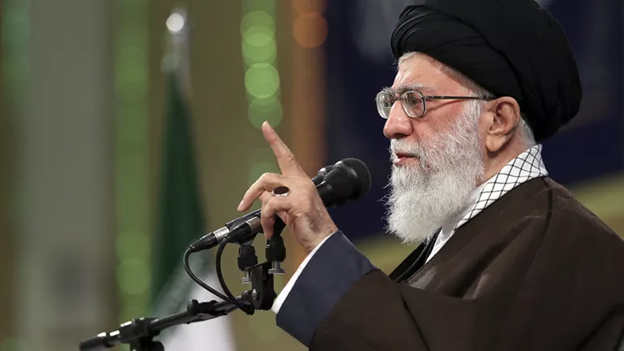
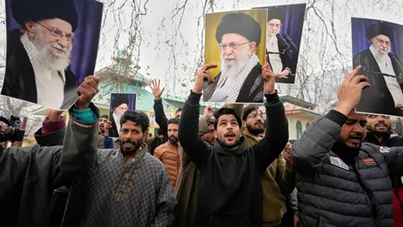
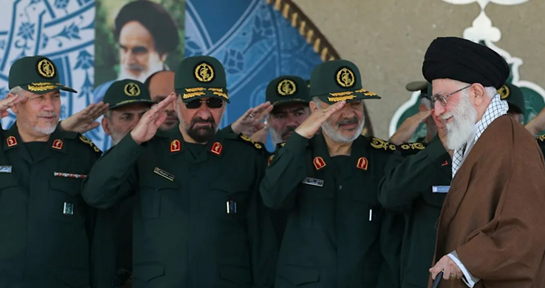
Supreme Leader of Iran, Ali Khamenei
This position was reinforced by a strong statement from the Supreme Leader of Iran, Ali Khamenei, who outlined the conditions for any future engagement with the U.S.: a complete cessation of support for Israel, withdrawal of American troops from the Middle East, and non-interference in the internal affairs of regional countries. Such conditions at the current stage make the resumption of dialogue virtually impossible.
Strengthening the U.S.–Saudi Strategic Partnership
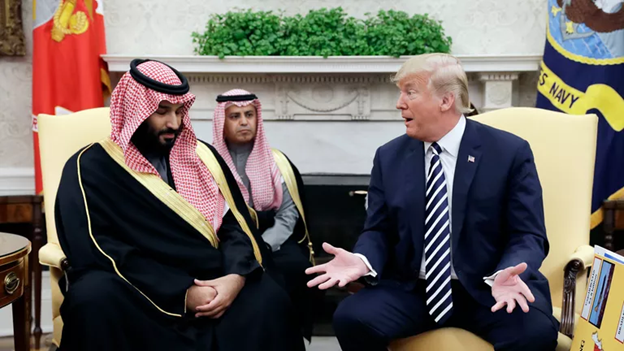
Amid cooling relations with Iran, the White House announced the signing of a Strategic Defense Agreement (SDA) with Saudi Arabia. According to a statement from the U.S. administration, this document reinforces a defense partnership spanning over 80 years and confirms that the U.S. is the kingdom’s “primary strategic partner.” This move signals the creation of a formalized military-political bloc aimed at containing Iran.
Simultaneously, as reported by Bloomberg, Washington and Riyadh have made progress in negotiations on nuclear cooperation. According to the publication, experts express concern over the lack of public guarantees ensuring adherence to the “gold standard,” which would prohibit Saudi Arabia from uranium enrichment and spent fuel reprocessing. Signing such an agreement without these conditions could potentially destabilize the non-proliferation regime in the region.
Syria: Ongoing Instability and Change of Power In Syria, the process of forming new governing structures continued. Transitional President Ahmed al-Sharaa, in an interview with Fox News, confirmed his intention to hold former President Bashar al-Assad accountable, announcing the creation of a corresponding commission. At the same time, he noted that Syria has entered a “new era” and is developing a strategic cooperation framework with the U.S.

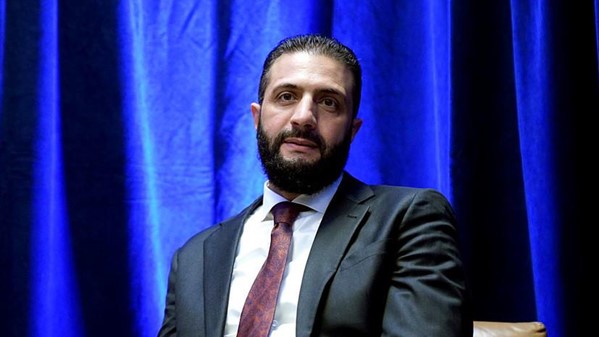
President of Syria, Ahmed al-Sharaa
At the same time, according to Bishop Dimitrios (Sharback) of the Antiochian Orthodox Church, the country’s Christian population does not feel secure, prompting a new wave of emigration. The Church is making efforts to provide people with conditions to live within the country; however, the overall situation remains tense.
Internal Challenges and Regional Initiatives
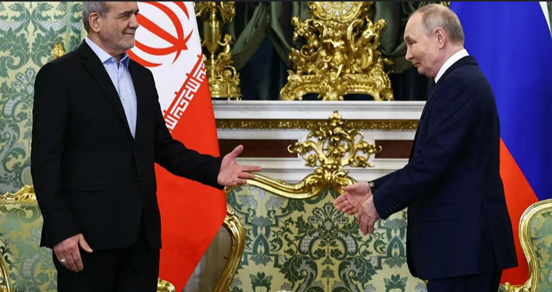
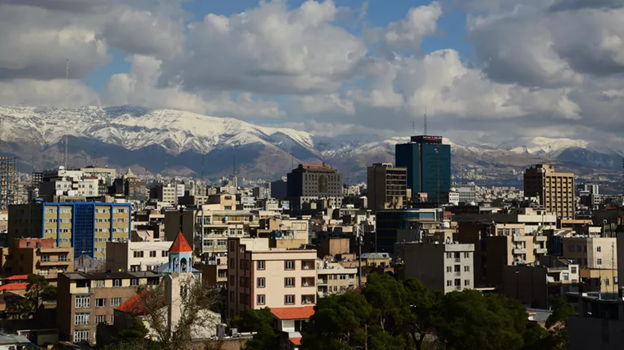
Serious internal issues have also affected Iran. The country’s President, Masoud Pezeshkian, publicly called for relocating the capital from Tehran due to overpopulation and acute water shortages. This statement highlights the significant socio-environmental crises facing the Islamic Republic.

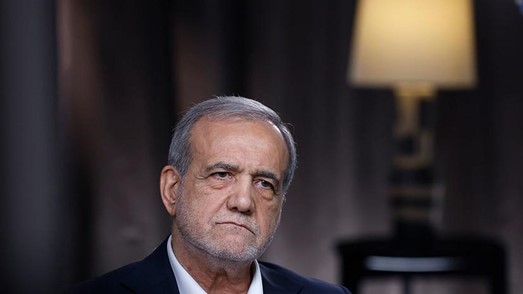
President of Iran – Masoud Pezeshkian
At the regional level, attention was drawn to the signing of a nuclear cooperation agreement between the U.S. and the UAE, which, according to U.S. Secretary of Energy Chris Wright, opens the door for American companies to build reactors in the kingdom. Unlike the Saudi case, the details of the agreement with the UAE did not raise public concern among non-proliferation experts.
Conclusion
Thus, during the reporting period, a bipolar structure in the Middle East has fully taken shape, with the Washington–Riyadh–Tel Aviv axis opposing Tehran and its allies. Iran’s complete abandonment of diplomacy regarding the uranium consortium and the hardening of its rhetoric indicate a shift toward a confrontational phase. At the same time, the strategic partnership between the U.S. and Saudi Arabia, reinforced by the defense agreement and nuclear negotiations, creates a new powerful center of influence. Internal crises in Syria and Iran serve as additional destabilizing factors.
The further development of the situation will depend on whether the parties can avoid direct military escalation and whether new intermediaries emerge to restart dialogue. In this context, the following forecasts and scenarios are noteworthy:
- Scenario 1. “Managed Confrontation”: The region enters a prolonged phase of tension without large-scale military clashes. The U.S. and its partners focus on containing Iran through sanctions and military presence, while Tehran continues to develop its nuclear and missile capabilities.
- Scenario 2. “New Escalation Spiral”: A local incident between Israel and Iran or their proxy forces escalates into a full-scale conflict involving the U.S. and its regional allies. Diplomatic channels are completely blocked.