General Overview and Global Reactions (U.S., EU, China, Russia, India)
From October 22 to 24, the 16th BRICS Summit took place in Kazan, Republic of Tatarstan, Russian Federation. BRICS is an international association founded in 2006 by Brazil, Russia, India, and China, with its name derived from the English initials of these countries (BRIC). After South Africa joined in 2011, the grouping became BRICS. As of January 2024, the association expanded to include Egypt, Iran, the UAE, and Ethiopia. The first summit, held in Yekaterinburg in June 2009, set forth the goal of fostering “a consistent, active, pragmatic, and open dialogue and cooperation between member states.” Later, key operational principles were agreed upon, including the non-bloc nature of the organization and its non-confrontational stance toward third parties.
This year’s summit was held under Russia’s presidency, with the motto of strengthening multilateralism for fair global development and security. On the first day, Russian President Vladimir Putin held a series of bilateral meetings with BRICS leaders in the Kremlin. The second day concluded with the adoption of the Kazan Declaration. The third day featured outreach sessions in the “BRICS+” format, with representatives from 35 countries and six international organizations participating.
The reactions to the event varied significantly depending on the geopolitical perspective—whether from the Western-dominated unipolar world or the collective non-West advocating for multipolarity.
U.S. Reactions
U.S. State Department Deputy Spokesperson Vedant Patel stated that all sovereign nations are free to form alliances as they choose. This statement effectively signals that the U.S. is refraining from exerting direct sanctions pressure on Russia’s allies.
American media assessments include:
- Newsweek: The BRICS Summit is an undeniable success for Russia. It was the largest international event since the beginning of the Ukraine conflict, with active participation from the Global South and East. Russia has positioned itself as a driving force behind a new international community of states. BRICS has evolved from a loosely defined club into a dynamic group of nations, marking a global shift from a Western-centric system to increasing decentralization. Putin has undoubtedly advanced the creation of an anti-Western coalition via BRICS, though China plays a more central role in shaping it.
- CNN: Putin looks anything but isolated as he hosts a major summit.
- The Washington Post: The summit provided Putin with a platform to showcase Russia’s standing on the global stage despite Western efforts to ostracize him. Russia and China view BRICS as an organization capable of forming a coalition of non-Western states to counter hostile Western influence.
- The Wall Street Journal: The BRICS Summit offered Putin a way out of relative isolation.
- Business Insider: Russia is demonstrating strength at the heart of BRICS, an economic bloc challenging the West. The expansion of BRICS has increased its influence, countering Western attempts—led by the U.S.—to economically isolate Russia.
- Bloomberg: The global economy will increasingly depend on BRICS nations in the coming years. Russia is urging deeper financial cooperation without Western involvement and advocating for alternative financial structures.
- Associated Press & Fox News: Russia insists on creating a new payment system as an alternative to the SWIFT banking network and is recruiting new countries to participate.
- The New York Times: The presence of Turkey, a NATO member, at the summit is significant. Erdogan seeks a better geopolitical deal with the West, and BRICS could serve as a useful tool in achieving that.
- Foreign Policy: Turkey’s application to join BRICS is a geopolitical turning point and another sign of the Global South’s growing prominence. It highlights the rising appeal of active non-alignment as an ideology.
American neorealist political scientist John Mearsheimer stated that the BRICS Summit in Kazan marked a victory for Putin in many aspects of foreign policy. According to him, Putin is winning—he is overcoming sanctions, making gains on the battlefield, and is far from being an outcast. BRICS will continue to grow in stature.
British Media Reactions
Leading British media outlets focused primarily on the economic implications:
- Sky News: The Global South is interested in joining BRICS because it largely ignores anti-Russian rhetoric. In today’s interconnected world, isolating any major country—especially one as large and deeply embedded in global trade as Russia—is extremely difficult.
- Reuters: While BRICS is unlikely to rival the International Monetary Fund or challenge U.S. dollar dominance anytime soon, the first summit with its expanded membership has shown clear signs of the bloc’s growing weight. BRICS has a “waiting list” of prospective members, who see it as a trade forum already accounting for one-fifth of global trade.
- The Daily Telegraph: The summit was nothing short of a diplomatic success for Putin. Far from being a global pariah, he presided over a meeting of BRICS nations, which represent nearly half of the world’s population and about 30% of its economy. Putin aims to undermine the dominance of the U.S. Treasury by establishing an alternative cross-border payment system that excludes G7 currencies.
European Union Reactions
European Council President Charles Michel acknowledged the EU’s mistakes, stating that Brussels has failed to engage in a respectful dialogue with summit participants. He urged the EU to stop lecturing other regions and to show greater respect for developing nations if it seeks to counter the growing influence of Russia and China.
The European publication Politico symbolically referred to the simultaneous Commonwealth summit as the “end of the British Empire.” Indian Prime Minister Narendra Modi and South African President Cyril Ramaphosa—two of the Commonwealth’s most influential leaders—chose to skip it in favor of the BRICS Summit in Kazan, an event organized by Russian President Vladimir Putin and attended by key developing nations.
Euractiv notes that the BRICS summit in Kazan, which gathered many participants, represents a “troubling signal for Europe that Russia is not isolated on a global scale despite Western sanctions.” Russia and other emerging global players have long embraced a “multipolar” reality, challenging the existence of the unipolar order promoted by the West.
The Kazan summit is also actively discussed in European countries. Leading German media provide the following assessments:
- Die Welt: “BRICS is no longer a group of developing countries from the Global South, but great powers striving for even more; this is Putin’s attempt to finally demonstrate strength, and the UN Secretary-General readily supports him.”
- Süddeutsche Zeitung: “The Russian leader managed to send the desired signal: his country belongs to the global majority capable of surpassing the West. Putin is betting that the part of the world that no longer wants to deal with him due to the armed conflict in Ukraine will sooner or later become a minority.”
- Bild: “Putin wants to use BRICS to counter the G7 countries and break U.S. dominance; for Russia, it is primarily about building an alternative to the Western SWIFT payment system, bypassing Western economic sanctions, and establishing a common bank.”
- Der Spiegel: “Putin’s plans for BRICS are ambitious; Moscow wants to create a new financial architecture independent of the dollar.”
- Rhein-Zeitung: “Western attempts to isolate Vladimir Putin worldwide have clearly failed; even NATO member Turkey eagerly awaits him at the BRICS summit in Russia. The fact that UN Secretary-General António Guterres declined an invitation to the peace summit on Ukraine but now joins the BRICS leaders in Russia makes it clear why the anti-Western community has become so significant.”
French Minister of State for European Affairs Benjamin Haddad stated in the context of the Kazan summit that the West no longer has a monopoly on global affairs. Similar sentiments are reflected in French media:
- Libération: “Russia and its new allies are highly influential in opposing the West; the Kremlin wants this alliance of developing nations to compete with Western ‘hegemony.'”
- France Info: “The BRICS club is becoming increasingly attractive to Global South countries dissatisfied with Western dominance in international relations; BRICS is establishing itself as an alternative power center for the Global South.”
- L’Express: “Putin’s diplomatic success is striking against the backdrop of his army’s confident strengthening of positions in Donbas.”
- L’Opinion: “This summit can well be seen as an open mockery of the West and its vision of the world.”
- L’Humanité: “In Kazan, the Global South outlined a world order without the West; the forum clearly demonstrated the will of Southern countries for mutual engagement.”
As one of BRICS’ founding members, China has always advocated for its development. Chinese public opinion, in line with the government’s stance, reflects on the event as follows:
- Xinhua: “As BRICS expands, it plays an increasingly important role in shaping more inclusive and fair global governance. As 21st-century challenges become more interconnected, the world needs platforms like BRICS that bring more states together to seek viable solutions and build a sustainable future for all.”
- China Central Television (CGTN): “BRICS has proven its resilience, adaptability, and relevance in today’s complex world. The 16th BRICS summit in Kazan highlighted this sustainable development. BRICS has successfully created a coordinated platform for developing countries, enabling them to pursue long-term goals and interests without external pressure.”
- People’s Daily: “Faced with the choice between peaceful coexistence or confrontation, BRICS consistently adheres to independence in cooperation, rejects bloc-based opposition, and promotes equality, solidarity, mutual assistance, openness, inclusiveness, and a spirit of consensus. BRICS cooperation is always justice-oriented, contributing wisdom to improving the global governance system.”
- China Daily: “The BRICS summit is a major event with immense prospects for the future of developing nations; it is a beacon of hope, offering a platform for growth and sustainable development.”
- Global Times: “Cooperation between China and Russia not only plays a key role in advancing BRICS but also contributes to resolving international crises and improving global governance. China has placed BRICS at the top of its foreign policy agenda, making a significant contribution to the group’s development.”
Indian media perspectives on the Kazan summit vary significantly, focusing less on global issues and more on India’s independent foreign policy and its interactions with Russia and China:
- Indian Express: “New Delhi assigns special importance to its traditionally strong ties with Russia. For Putin, the gathering of so many world leaders in Russia is a signal to the West that its attempts to isolate Moscow amid the armed conflict in Ukraine have failed. The summit sent a clear message that non-Western countries want to engage with Russia and continue to see it as attractive due to its strategic importance and as a supplier of weapons and energy resources.”
- Telegraph: “In a global landscape torn by wars and the collapse of international norms, BRICS leaders in Russia this week emphasized the power of diplomacy. The meeting between Indian Prime Minister Narendra Modi and Chinese President Xi Jinping—their first interaction in five years—broke the ice between the two Asian giants, whose relations had deteriorated in recent years. At the Kazan summit, BRICS leaders presented a vision markedly different from that supported by Western-led groups like the G7.”
- Hindustan Times: “At the Kazan summit, Indian Prime Minister Narendra Modi once again called for BRICS not to become an anti-Western alliance. India seeks to build its foreign policy on principles of strategic autonomy and multipolarity, which BRICS shares. Due to its balanced stance on international issues, the group has distanced itself from an anti-Western image and focused on promoting Global South interests. India and some other countries did not support Russia and China’s initiatives for full de-dollarization.”
The official position of Russia, supported by leading media, was expressed by President Vladimir Putin. He stated that BRICS is now an organization, not just an association or a club of interests.
According to Deputy Foreign Minister Sergey Ryabkov, BRICS is not an anti-Western alliance but remains open to cooperation. However, he emphasized that it “will not allow others to dictate how we should live and what we should do, including in the areas of economic, financial, and trade cooperation, without considering our interests.”
At a press conference following the Kazan Summit, Vladimir Putin stressed that it marked the culmination of Russia’s BRICS chairmanship and one of the key events in the global political calendar. The broad representation at the summit clearly demonstrates BRICS’ growing authority and role, as well as the increasing interest from countries pursuing a truly independent and sovereign policy.
Each of these nations has its own development path, economic growth model, and rich history and culture. According to Putin, the strength and immense potential for cooperation within BRICS—and among a broader circle of like-minded nations—lie in this civilizational diversity and the unique combination of national traditions that align with the group’s goals and principles.
Key Events of the Summit, Negotiations, and Political Meetings
The BRICS Summit in Kazan saw participation from delegations of 35 countries, with 24 nations represented by their leaders. Among the key attendees were Chinese President Xi Jinping, Turkish President Recep Tayyip Erdoğan, South African President Cyril Ramaphosa, Iranian President Masoud Pezeshkian, Palestinian Authority President Mahmoud Abbas, Republika Srpska President Milorad Dodik, Lao President Thongloun Sisoulith, Bolivian President Luis Arce, Egyptian President Abdel Fattah el-Sisi, UAE President Mohammed bin Zayed Al Nahyan, Belarusian President Alexander Lukashenko, Venezuelan President Nicolás Maduro, Indian Prime Minister Narendra Modi, and Ethiopian Prime Minister Abiy Ahmed Ali.
Additionally, UN Secretary-General António Guterres and leaders of international organizations such as the SCO, CIS, EAEU, and the Union State attended the summit. Brazilian President Luiz Inácio Lula da Silva, originally scheduled to attend, canceled his visit due to health reasons but participated in key BRICS-2024 events via videoconference. Brazil’s delegation in Kazan was led by Foreign Minister Mauro Vieira. Saudi Arabia was represented by Foreign Minister Faisal bin Farhan Al Saud, who stated that Saudi Arabia attended as an invited country. Other notable attendees included Serbian Deputy Prime Minister Aleksandar Vulin, Sri Lankan Foreign Minister Aruni Wijewardane, Venezuelan Executive Vice President Delcy Rodríguez, Mauritanian President Mohamed Ould Ghazouani, and BRICS New Development Bank President Dilma Rousseff.
Key Political Meetings
On October 22, the first day of the summit, Russian President Vladimir Putin held bilateral meetings in the Kazan Kremlin with the leaders of China, India, South Africa, Egypt, and the BRICS New Development Bank.
On October 23, under the theme “Strengthening Multilateralism for Fair Global Development and Security,” the expanded BRICS meeting took place as the summit’s main event. Putin emphasized that Russia, as the 2024 BRICS chair, aimed to deepen cooperation in three key areas: politics and security, economy and finance, and cultural and humanitarian exchanges. He also stressed the full integration of new members into the organization.
Participants acknowledged BRICS’ growing global influence, with the bloc’s combined GDP growth reaching 3.2% in 2023-2024 and expected to rise to 3.8% by 2024-2025.
Key Economic and Strategic Initiatives
To strengthen the economic potential of BRICS, Vladimir Putin proposed or reiterated the following initiatives:
- A BRICS investment platform to support member economies and provide financial resources for the Global South and East.
- A BRICS arbitration investment center.
- A special consultation mechanism for WTO-related issues to create fairer global economic rules and reform the international financial system.
- A BRICS grain exchange.
- A BRICS artificial intelligence alliance.
- A BRICS platform for precious metals and diamonds.
- A BRICS partnership on carbon markets and a climate research platform.
- A BRICS logistics platform and digital communication hub for transport.
- An intergovernmental platform for fair competition.
- A permanent rotational BRICS tax secretariat.
During the BRICS discussions, the need for a fair financial system independent of the US dollar was raised. BRICS New Development Bank President Dilma Rousseff noted that US economic policies continue to influence the global economy, limiting other nations’ control over their own economies and currencies.
The Kazan Declaration and the BRICS+ Meeting
The Kazan Declaration, adopted at the expanded BRICS meeting, included 134 provisions outlining BRICS’ approach to:
- Building a fair and democratic world order.
- Deepening financial, economic, and regional cooperation.
- Expanding humanitarian ties.
The summit concluded with a plenary BRICS outreach session (“BRICS+”), attended by representatives from 35 nations, including leaders from CIS, Asia, Africa, the Middle East, and Latin America, along with UN Secretary-General António Guterres. The main topics discussed were the resolution of conflicts in Ukraine and the Middle East and the formation of a fair global order.
At the post-summit press conference, Vladimir Putin described the event as highly productive. He emphasized the open dialogue between BRICS members and their partners from the Global South and East, addressing key international issues with a particular focus on the Middle East crisis. The summit also explored opportunities for BRICS collaboration with developing nations to promote inclusive and sustainable development.
Analysis of Key Agreements and Forecast of Their Implementation Consequences
More than 30 countries worldwide have expressed interest in cooperating with BRICS in one form or another, but as expected, the current members decided to delay further expansion. Instead, several applicants were offered the status of partner countries, with the modalities of this partnership outlined during the meeting on October 23.
13 countries were granted BRICS partner status, including Turkey, Kazakhstan, Uzbekistan, Algeria, Belarus, Bolivia, Cuba, Indonesia, Malaysia, Nigeria, Thailand, Uganda, and Vietnam.
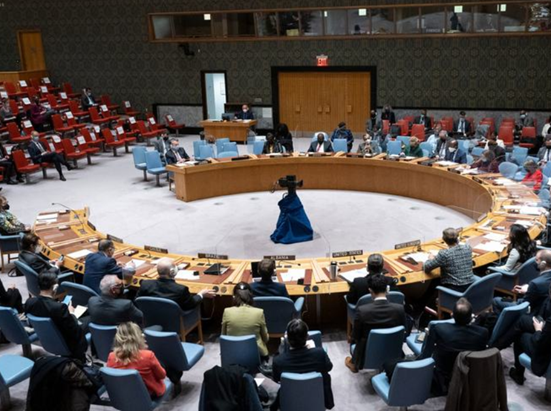
BRICS leaders supported comprehensive reform of the United Nations, including its Security Council, to increase democracy, representation, and efficiency. This position was reflected in the Kazan Declaration, which was adopted at the end of the summit.
The Kazan Declaration consists of 134 points spread over 43 pages. It covers key topics such as the further development of the organization, positions on various global issues, sanctions, the settlement of regional crises, including in Ukraine and the Middle East.
The Kazan Declaration includes four main sections:
- Strengthening Multilateralism for a Fairer and More Democratic World Order
This section highlights the necessity of UN reforms and the inclusion of new members. It emphasizes the importance of WTO reforms for better efficiency. The document recognizes the crucial role of the “G20” as the main platform for financial-economic cooperation but condemns sanctions, stating that they lead to “far-reaching consequences,” violate international law, and harm trade. - Strengthening Cooperation for Global and Regional Stability and Security
This section addresses security issues, with countries expressing concern over the increasing violence and ongoing armed conflicts in various regions of the world. In particular, there is concern over the escalation of violence in Gaza and the West Bank due to Israel’s military operation. The declaration condemns Israel’s destruction of civilian infrastructure and calls for the release of hostages on both sides and a ceasefire. The document also advocates for the creation of a sovereign and viable Palestinian state based on 1967 borders with its capital in East Jerusalem, and it underscores the need to revive the Iran nuclear deal. There are calls for peaceful settlement in Afghanistan and the assurance of freedom of navigation in the Red Sea and Bab-el-Mandeb Strait, which are increasingly threatened by attacks from the Houthis. The declaration also expresses concern over the escalation in Sudan and unrest in Haiti. - Deepening Financial-Economic Cooperation for Fair Global Development
This section highlights the necessity of reforming the current international financial “architecture” to address global financial challenges. BRICS members recognize the key role of the New Development Bank (NDB) in promoting infrastructure development and sustainable development in its member countries, and they fully support its continued growth. The participants also support the NDB in expanding its funding in national currencies. Additionally, the countries expressed interest in using national currencies for financial transactions between BRICS members and trading partners and called for the strengthening of banking networks. They agreed to discuss the possibility of creating an independent cross-border clearing and settlement infrastructure, BRICS Clear, which would complement the existing financial market infrastructure. The establishment of an independent BRICS (Re)Insurance company was also discussed, with voluntary participation. - Expanding Humanitarian Exchanges for Socio-Economic Development
The final section of the declaration stresses the importance of cultural exchanges between countries, including the BRICS Cultural Festival and the BRICS Sports Games. The declaration highlights the need to enhance youth exchanges, including in education, professional training, and skills development. The document calls for the exchange of experiences between parliaments and political parties of BRICS nations.
The declaration also addresses national positions regarding the situation in Ukraine, noting the “proposals for mediation and good offices to facilitate a peaceful settlement of the conflict through dialogue and diplomacy.”
Thus, the main points of this declaration reflect BRICS’ core ideas: the recognition of a multipolar world, the inadmissibility of illegal sanctions and other illegitimate measures that negatively affect economies, and a commitment to resolving disputes through diplomacy, mediation, comprehensive dialogue, and consultations.
Key Results of the Summit:
- Chinese President Xi Jinping and Indian Prime Minister Narendra Modi held their first bilateral negotiations since 2019 on the sidelines of the summit. These talks made significant strides toward normalizing relations after a four-year border standoff.
- Armenian Prime Minister Nikol Pashinyan and Azerbaijani President Ilham Aliyev held a meeting, where they discussed advancing the bilateral peace agenda, including a peace treaty, border delimitation and demarcation, and other issues of mutual interest.
In economic terms, an important result was the proposed creation of a new BRICS currency-financial system as an alternative to the Western SWIFT system and the rejection of unilateral sanctions. Politically, the summit also highlighted the failure of the West’s policy of isolating Russia.
Forecast and Scenarios for the Future Development of BRICS Based on the Recent Forum and Its Outcomes
The recent BRICS summit was not only global and unique in terms of the number of leaders gathered but also marked a crucial step towards shaping a fair global order with decisive involvement from the Global South and East. In Kazan, the world witnessed the group’s claims to form a just global world order, based on the supremacy of law, the rejection of neo-colonial approaches, interference in internal affairs, political and financial pressure, and unilateral coercive measures.
Specialists believe that BRICS is tasked with creating a new ideology for international relations, one that promotes the compatibility and equality of various civilizations, cultures, and ideologies as the identity of the new age. The flexibility and unbureaucratic nature of the “club” mechanism allow BRICS to find solutions to many problems, subsequently transmitting them through universal or sectoral international organizations (be it the UN, IMF, BRICS NDB, or WHO). The role of these groups is primarily to define the strategic vision of an issue and mobilize initial resources to address it.
A key classification describes BRICS as a transregional forum with a complex nature, within which countries coordinate positions and create common tools for global regulation. Decisions made by such groups, especially in international cooperation, are typically declaratory and suggest a prolonged institutionalization process. However, the main advantage of this cooperation is that participants have the unique opportunity to transcend regional barriers and growth limitations for the effective implementation of global initiatives.
Many developing countries wish to join BRICS, often lacking leverage on global issues. The fact that BRICS enhances their positions on the world stage while not depriving them of sovereignty—unlike within the EU—makes this union highly attractive. However, it is crucial to note that any expansion of such structures inevitably complicates decision-making processes. Thus, it is important to ensure that the interests of individual countries do not diminish BRICS’ ability to act effectively on the global stage.
For efficient financial and economic cooperation, BRICS needs to establish a permanent executive mechanism and standing working bodies to handle day-to-day matters.
International cooperation within BRICS across a broad spectrum of issues continues to contribute to strengthening international norms and traditional institutions. Significant attention is being paid to the promotion of shared norms, principles, and ideas across the group for conflict resolution and regional stability. Through the lens of conceptual-ideological approaches to ensuring international security, this marks a confident move away from the West-centric perception of conflicts and their regulation, offering the international community a renewed solidaristic stance that unites an increasing number of countries from the Global South and the Non-West.
Scenarios for BRICS Participation in Global Governance
Scenario 1: Continued Growth Without Full Parity with the West
In this scenario, BRICS countries would continue to experience positive economic growth but would still not be able to fully compare to Western nations, remaining in the group of large semi-peripheral states. Their political coordination would be primarily limited to consultations. The BRICS group would mainly focus on addressing tactical rather than strategic issues, with their influence growing, but not dramatically shifting the global balance of power. Their cooperation would be more about pragmatic approaches to immediate challenges, without altering the fundamental structures of global governance. This scenario suggests that BRICS will be a force for gradual change rather than radical transformation.
Scenario 2: Strategic Integration and Enhanced Global Role
In the second scenario, BRICS would focus on more strategic development, allowing the group to integrate into the existing global governance system in a non-confrontational manner while ensuring that their national interests are realized on the global stage. This scenario envisions BRICS members strengthening their positions not only through economic growth but also by contributing to global governance reforms. The countries would collaborate across various sectors, accelerating modernization and development both within the group and externally. This approach would enhance BRICS’ long-term global influence, positioning it as an indispensable part of the global order.
Conclusion
Under current conditions, the further positive development of BRICS is expected. However, if the group continues to prioritize tactical over strategic goals, there remains the possibility of a more pessimistic scenario, where BRICS fails to assert its influence as a unified global force. The challenge for BRICS lies in balancing its broad membership, diverse interests, and regional strengths while establishing clear, long-term goals that can transcend short-term political and economic concerns.
BRICS’ future success will depend on its ability to maintain its core principles of sovereignty, multilateralism, and justice, while also adapting to an evolving global order and contributing meaningfully to reshaping the international system.