The article covers the Pan-African youth forum FIJAO 2025, held in the capital of Burkina Faso — Ouagadougou, which became a symbol of a new era for Africa, where youth act as the driving force of economic sovereignty and innovative development. The discussions included ministers, business leaders, international experts, and young entrepreneurs, who presented concrete solutions for the continent’s sustainable growth. The forum demonstrated that Africa no longer asks for aid — it is building its own future, forging partnerships with the world based on equality, knowledge, and technology.
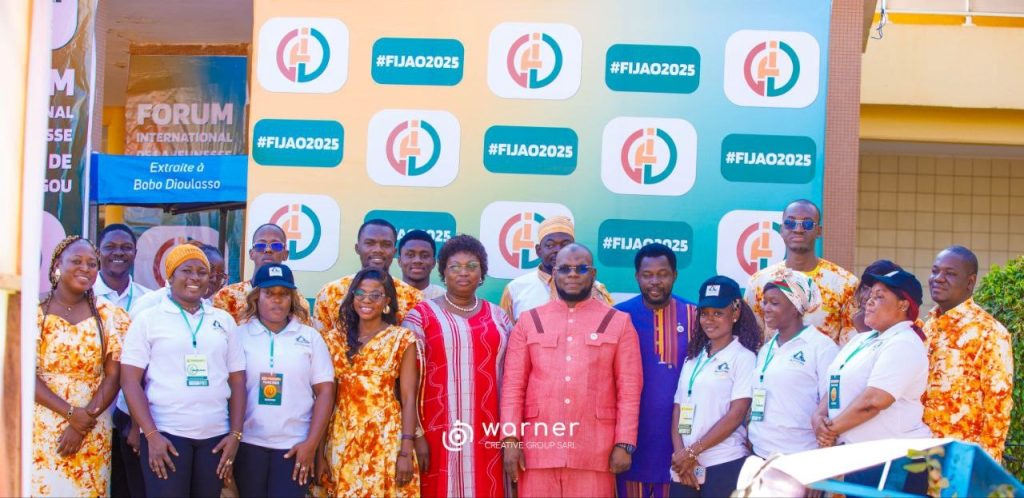
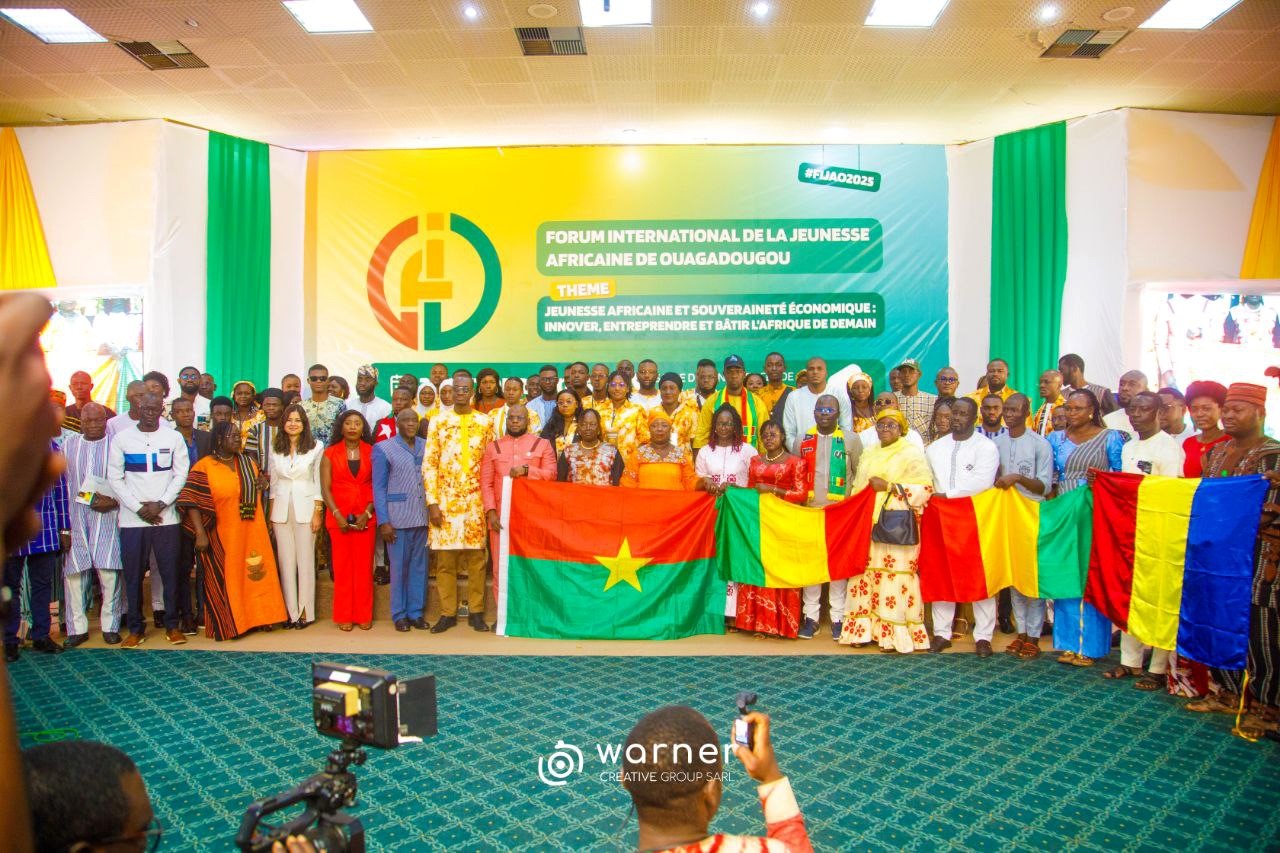
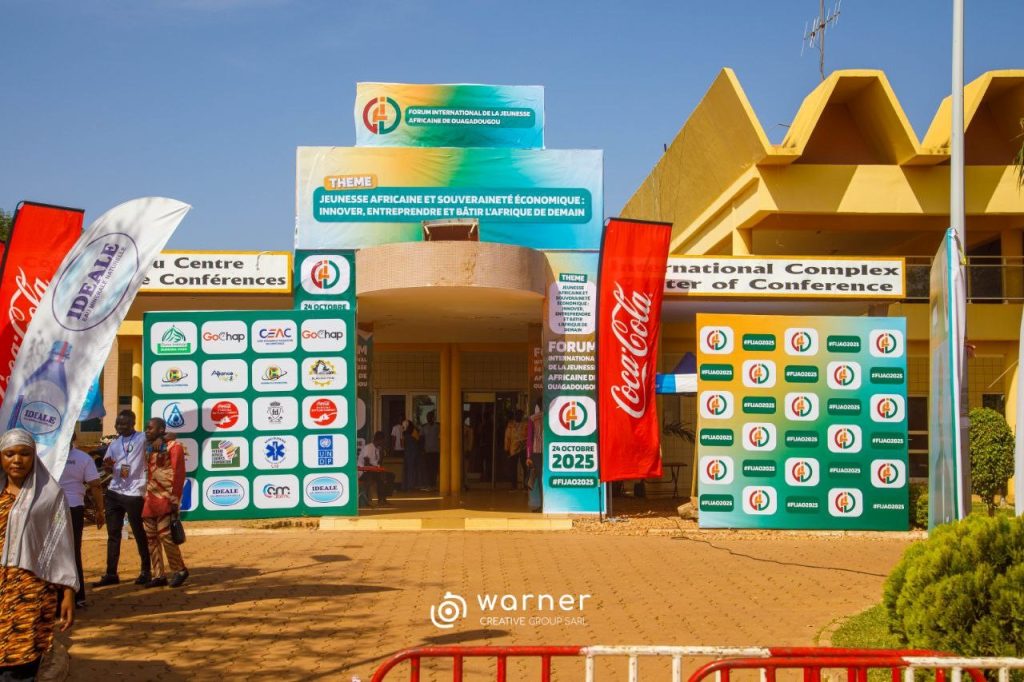
On October 24, 2025, the city of Ouagadougou — the capital of Burkina Faso — became the center of Pan-African dialogue, where youth, community leaders, politicians, and thinkers gathered for the International Forum of African Youth FIJAO 2025 (Forum International de la Jeunesse Africaine de Ouagadougou). This event, organized by the Association for the Promotion of African Integration (APIA) with the support of the national government, marked a significant step in rethinking the role of youth in shaping Africa’s economic sovereignty. The main theme of the forum — “African Youth and Economic Sovereignty: Innovation, Entrepreneurship, and Building the Africa of Tomorrow” — set the tone for the entire event. Throughout the day, over a thousand young leaders, entrepreneurs, and community activists from various countries discussed what the new Africa should look like — independent, innovative, and united.
Opening Ceremony and Atmosphere of Unity
The forum opened with a solemn ceremony attended by government representatives, ministers, leaders of social movements, and international guests. National anthems were played, and the entire atmosphere was filled with a sense of dignity and determination. Africa’s youth declared themselves not as the future, but as the present — a generation that is already taking action.
In his opening remarks, the Minister of Sports, Youth, and Employment of Burkina Faso, Mr. Anuirtole Roland Somda, represented by the Ministry’s Secretary-General, Ms. Colette Ouédraogo, emphasized that the forum continues the strategic vision of President Ibrahim Traoré, aimed at revitalizing the continent through education, science, and solidarity:
“Africa today must speak with one voice — the voice of its young citizens, who create innovations, develop entrepreneurship, and change the reality around them.”
In his address, he spoke about key government initiatives aimed at supporting youth — such as the Youth Employment Support Program (PAEJ), the national internship program for 10,000 young professionals, as well as incubation projects for the development of entrepreneurship and self-employment.
“We want to build bridges between incubators and the market so that innovations do not remain in laboratories, but become real work for our communities.”
The minister urged Africa’s young leaders to invest in themselves, develop local product processing, and build partnerships, emphasizing that “sovereignty is achieved through the efforts of many.”His speech became one of the most inspiring, setting the tone for constructive optimism and action.
Next, the youth were addressed by the President of the Association for the Promotion of African Integration and Chair of the FIJAO Organizing Committee, Mr. Mohamed Junior Dahani:
“We want this forum to be not just a meeting, but a movement of intellect, creativity, and mutual support. From now on, Africa will no longer wait to be shown the way: it will choose its own path.”
In his inspiring address, Mr. Dahani also reminded participants of the legacy of great African leaders — Kwame Nkrumah, Sékou Touré, Thomas Sankara — and of the dream of a united and sovereign Africa.
He emphasized that youth should no longer be mere spectators of their destiny. They must act, building an Africa that owns its choices, is independent in its decisions, and united in dignity. Furthermore, Mr. Dahani emphasized that the theme of FIJAO 2025 is not a slogan, but a call to action, aimed at making youth the main driving force of the continent while maintaining unity and belief in a common goal: “Our challenges are great, but our potential is even greater. Only together can we build a strong, dignified, and respected Africa.”
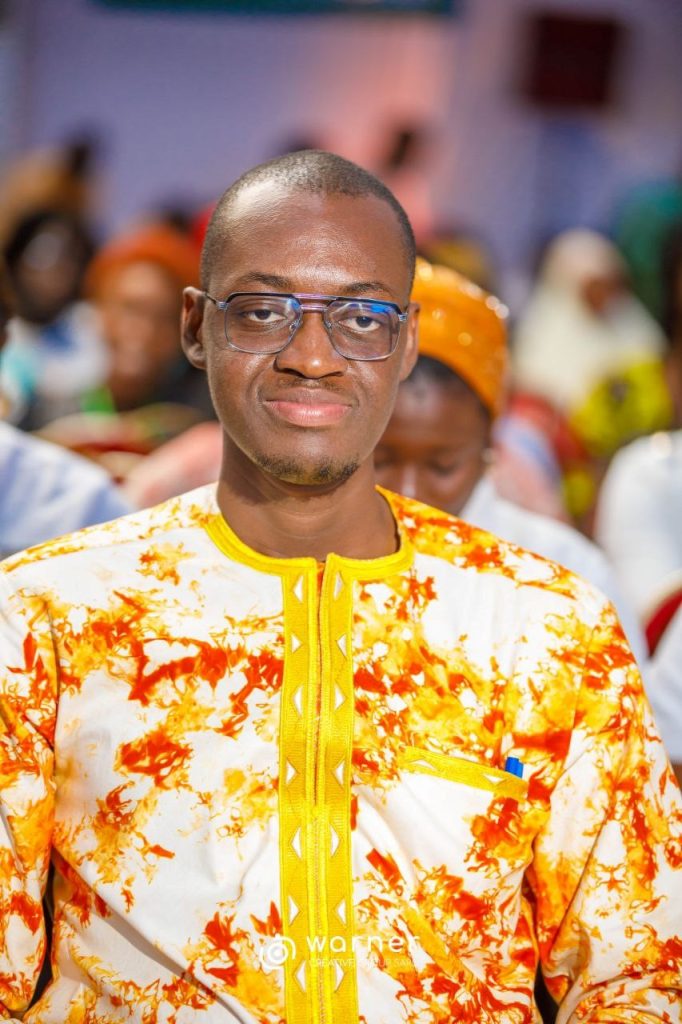
Mr. Mohamed Junior Dahani
Host City and Symbolism of the Venue
In her speech, the 3rd Vice President of the Special Delegation of Ouagadougou emphasized the symbolic significance of the forum being held in the capital of Burkina Faso, noting that the FIJAO platform opens a new chapter in the city’s life, where tradition meets modernity. She stated that the city has always been a center of cultural exchange, and now it has become a center for the awakening of African youth.
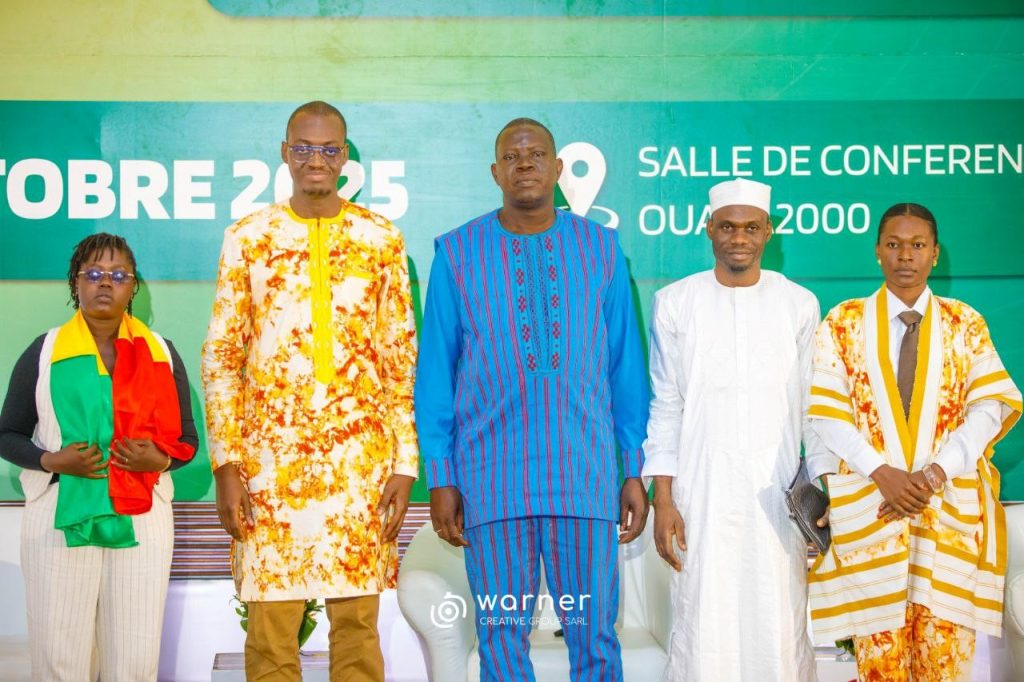
With an inspiring message, the Advisor to the President of Burkina Faso and youth representative, Mr. Sanu Sostène William, also spoke. At FIJAO, he delivered an emotional and programmatic address, announcing a “revolution of minds” — a gradual but decisive shift in approaches to education, employment, and civic responsibility. According to him, this is not a barricade-style revolution, but a transformation of thinking and ambitions, where youth cease to be passive observers and become the main actors in national revival. His concluding thought resonated as both a call and a promise: “The revolution I speak of is not an empty slogan, but a concrete, measurable process. For the true wealth of a nation lies not only in its natural resources, but also in what we instill into the minds of its people.”
Key Sessions and Debates: African Youth, Economy, and Leadership
The FIJAO 2025 forum became a platform for dynamic and in-depth discussions on the challenges facing African youth. At the main high-level roundtable, prominent representatives from the government and private sector gathered to discuss how Africa can achieve economic sovereignty by leveraging the potential of its youth. An important speech was delivered by Mr. Romain Kaboré, Director General for Youth Empowerment and Continuing Education. In his report, he emphasized the role of education as a key tool for building human capital and the continent’s economic independence. The speaker noted that the new generation of Africans must possess practical skills that enable them not only to be employed but also to create their own opportunities — in entrepreneurship, technology, and the social sector. He presented the ministry’s initiatives for developing professional training centers, supporting young professionals, and strengthening partnerships between educational institutions and businesses.
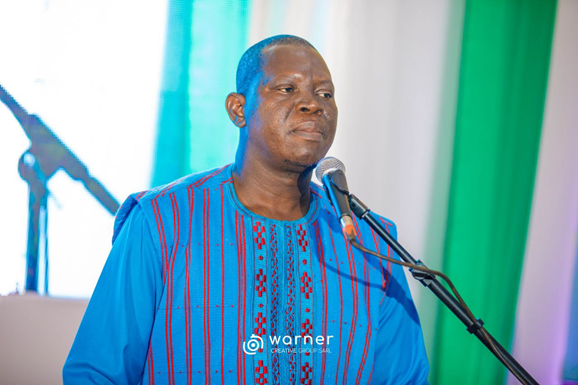
Mr. Romain Kaboré
At the same time, Mr. Rayangnivende Abdul Rasaki Kaboré, CEO of Burkina Mine / SCOOP-CA and the main sponsor of FIJAO, urged youth to view business as a tool for sovereignty rather than dependence, while also emphasizing corporate social responsibility. He noted that the African private sector must play a leading role in strengthening the continent — through local production, the development of raw material processing, and the creation of jobs for youth. According to Mr. Kaboré, every African entrepreneur is responsible not only for their business but also for their people, and companies should serve society without becoming dependent on foreign structures. Economic patriotism and corporate social responsibility, he argued, can form the foundation for real transformation in Africa and its economic revival.
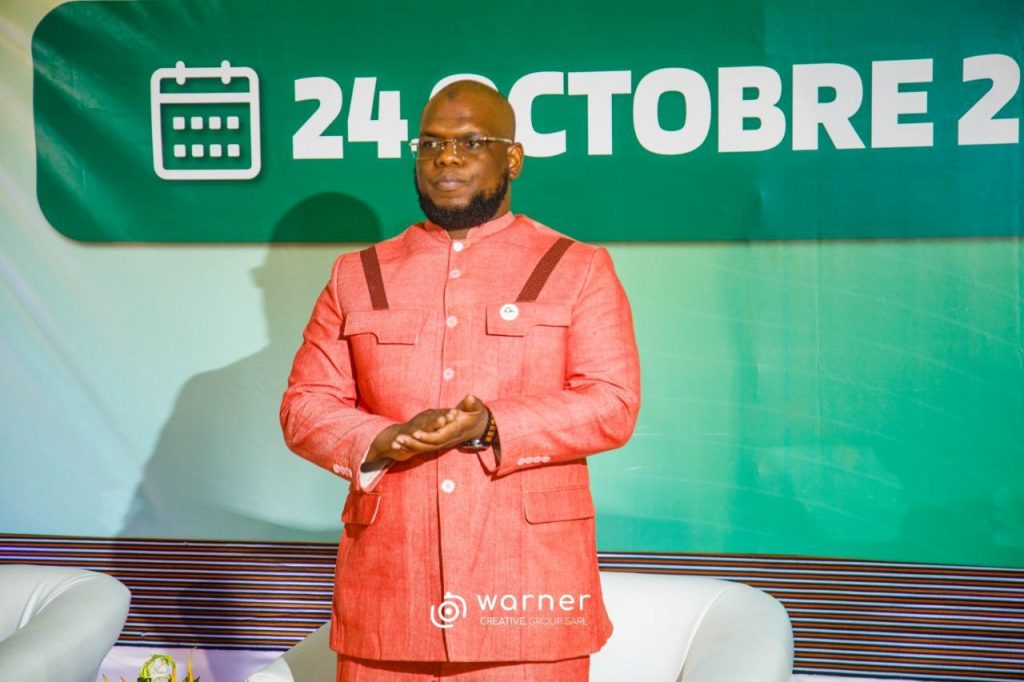
Mr. Abdul Rasaki Kaboré
Ms. Priscilla Zongo, Executive Director of the Mining Chamber, emphasized the role of women in the country’s industrialization and, more broadly, highlighted the importance of youth participation in the extractive sector of the economy.
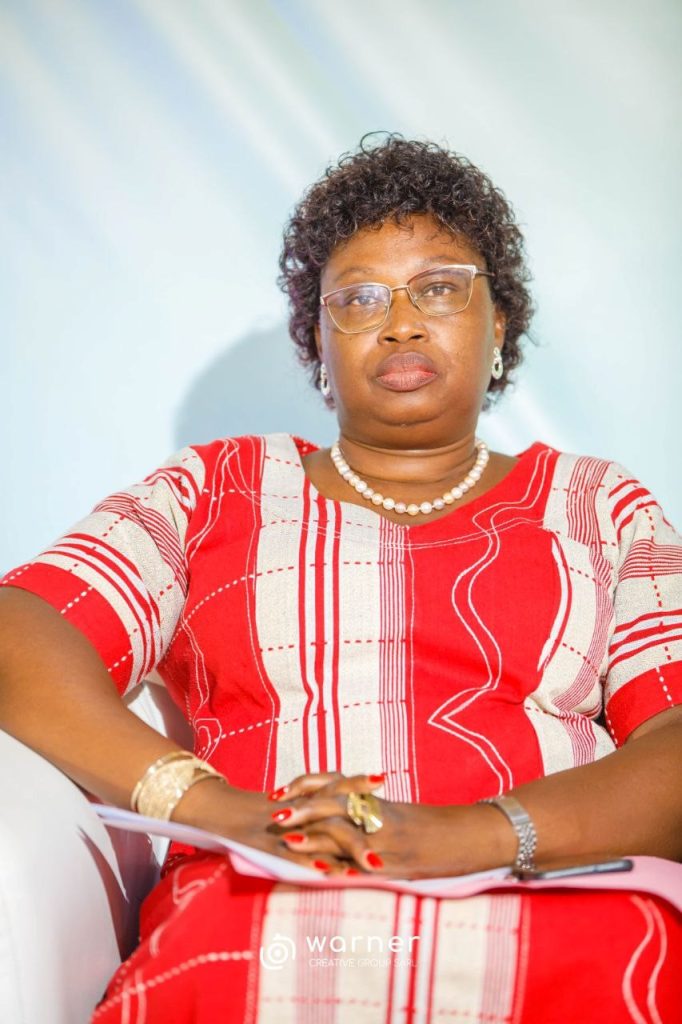
Ms. Priscilla Zongo
The session “Innovation and Local Production” brought a spirit of practical entrepreneurship to the forum. Ms. Pastor Sandra Arebun from the African Future Leaders Foundation encouraged young leaders not to rely on grants, but to create new markets themselves.
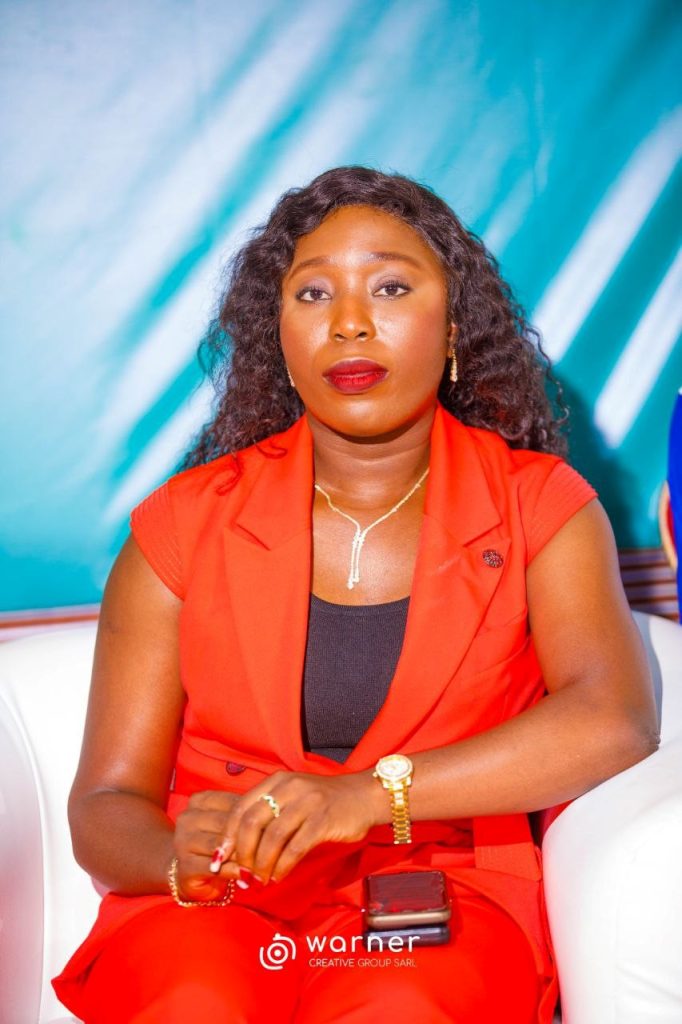
Ms. Pastor Sandra Arebun
Among the speakers was Mr. Fatogoma Dumbia, who presented the Konobugu Integrated Agricultural Farm as a model of sustainable agroecology, as well as the company Titans, which transforms waste into decorative items. In his view, this participation provided an excellent opportunity to propose concrete initiatives demonstrating the potential of green innovations in Africa.
In addition, Senegalese politician Mr. Bassirou Samb highlighted youth participation in local governance as an important step in shaping the continent’s future leaders. Meanwhile, American investor Ms. Stephanie Mbida emphasized the value of Pan-African solidarity, the development of the continent through entrepreneurship and a “trust-based economy,” and shared her personal experience in entrepreneurship and supporting innovative initiatives in Africa.
These discussions set the overall tone of the forum — confidence, creativity, and belief in the continent’s own capabilities.
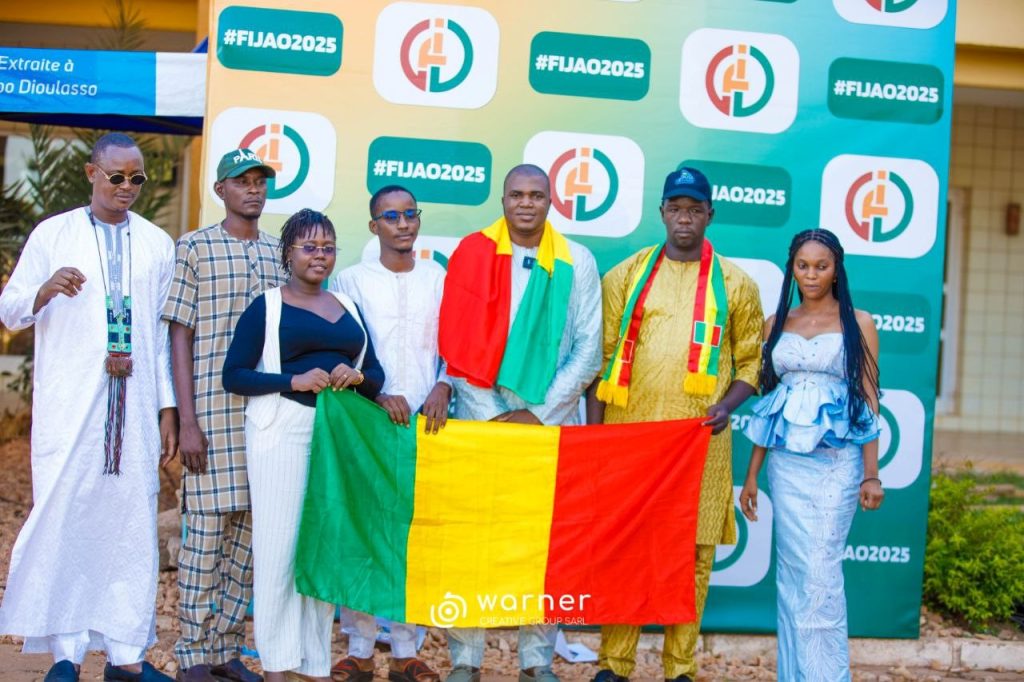
One of the most moving moments of the FIJAO 2025 forum in Ouagadougou was the speech by Mr. Rashid SASSA, known by his stage name Rach FSG, a member of the forum’s Organizing Committee and responsible for relations with African communities. In his address, he spoke words that deeply touched the audience: “We are the sons and daughters of Africa, citizens of the world. Our only surname is Humanity.” Young delegates from different countries, moved by this call for unity and peace, approached the stage one by one to drape their national flags around the speaker’s neck. This symbolic gesture became a living embodiment of the very idea of brotherhood and mutual respect — the core values of the forum.
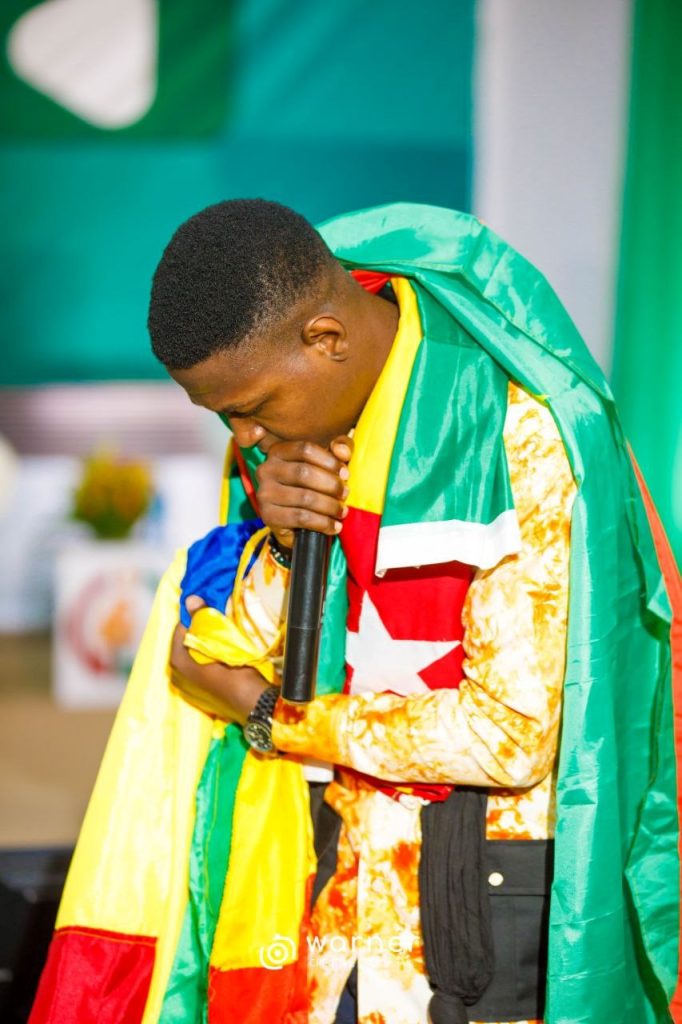
M. Rachid SASSA
Series of Talk Shows and Seminars
This part of the educational program became a true bridge of ideas — connecting science, diplomacy, and technology. It addressed not only issues of healthcare and international cooperation, but also how the digital age is transforming the very nature of leadership.
The first speaker was Mr. Koldo Salazar López, an international expert and director of the analytical portal Otralectura. In his presentation titled “Youth as a Bridge Between Continents: Europe, Russia, and Africa in a New Architecture of Cooperation,” he addressed the creation of a new model of global partnership based not on hierarchy, but on respect and equality of voices. Mr. Salazar emphasized that Africa aims to strengthen its economic independence and international authority, and that international youth engagement plays a crucial role in generating innovative ideas for a sustainable and sovereign future for the continent.
Next, Dr. M. Abdalla, Chief Physician of the Gunhin Medical Center, spoke. His presentation, titled “Healthy Youth — Productive Future,” served as a poignant reminder that human capital begins with the most fundamental element: caring for oneself.
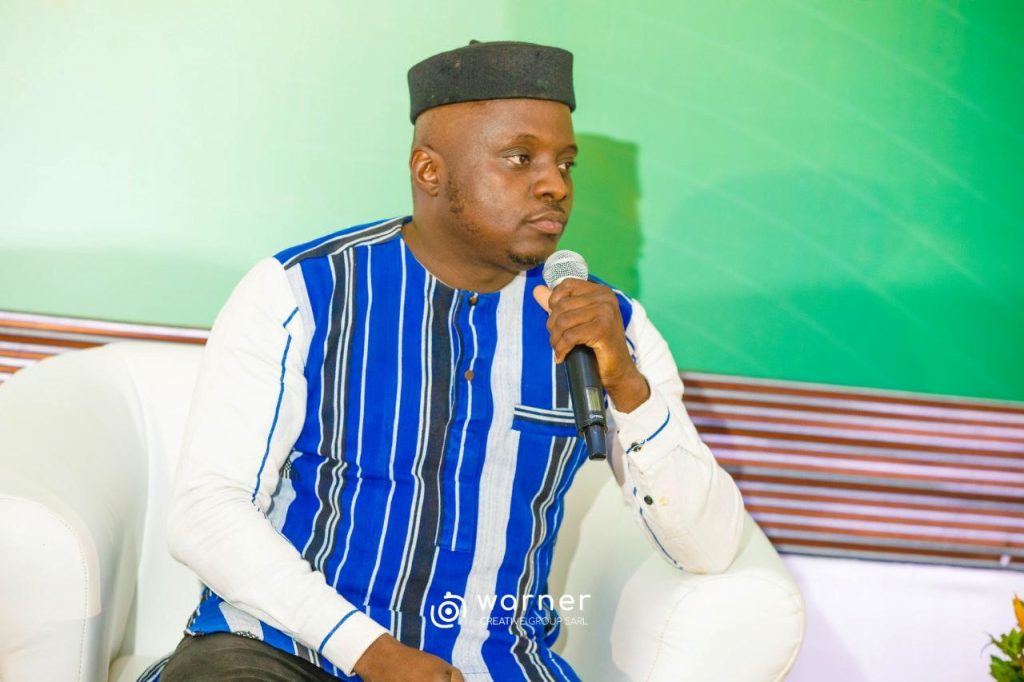
Mr. Abdalla
“Without healthy youth, there can be neither sustainable development nor a strong economy. Health is the foundation of human capital,” he said, earning applause from the audience. The session moderator, Mr. Jonathan Convolbo, concluded the discussion with journalistic precision, reminding everyone that African youth are no longer merely a topic of conversation but active participants in global politics. This session became a symbol of the new Africa — open to the world, confident in itself, and ready for equal dialogue with the planet.
Results and Prospects
As a result of the forum, a resolution was adopted highlighting the need to strengthen youth entrepreneurship, expand educational programs, and create innovation ecosystems in African countries. Participants proposed launching the digital platform FIJAO Network to facilitate the exchange of ideas for collaborative projects.
The Significance of FIJAO 2025 in the International Context
The forum became not only an African but also a global event. Its impact extends far beyond the continent — in Ouagadougou, issues important to all of humanity were discussed: social justice, sustainability, equal opportunities, and the role of youth in the politics of peace.
FIJAO 2025 demonstrated that Africa is entering a new era of conscious leadership and spiritual revival. The continent’s youth are becoming its voice and heart — a force capable of reshaping the global agenda in favor of justice and development.FIJAO 2025 became further evidence that Africa no longer waits for external aid — it is taking the initiative in forging a new global partnership through the development of entrepreneurial initiatives and the strengthening of economic sovereignty. African youth are becoming the main driving force in bringing these ideas to life.