Topics:
Media in the Era of a Multipolar World
Challenges of Honest Journalism
Youth Initiative in Journalism
Forum SHUM as a Platform for International Media Communication
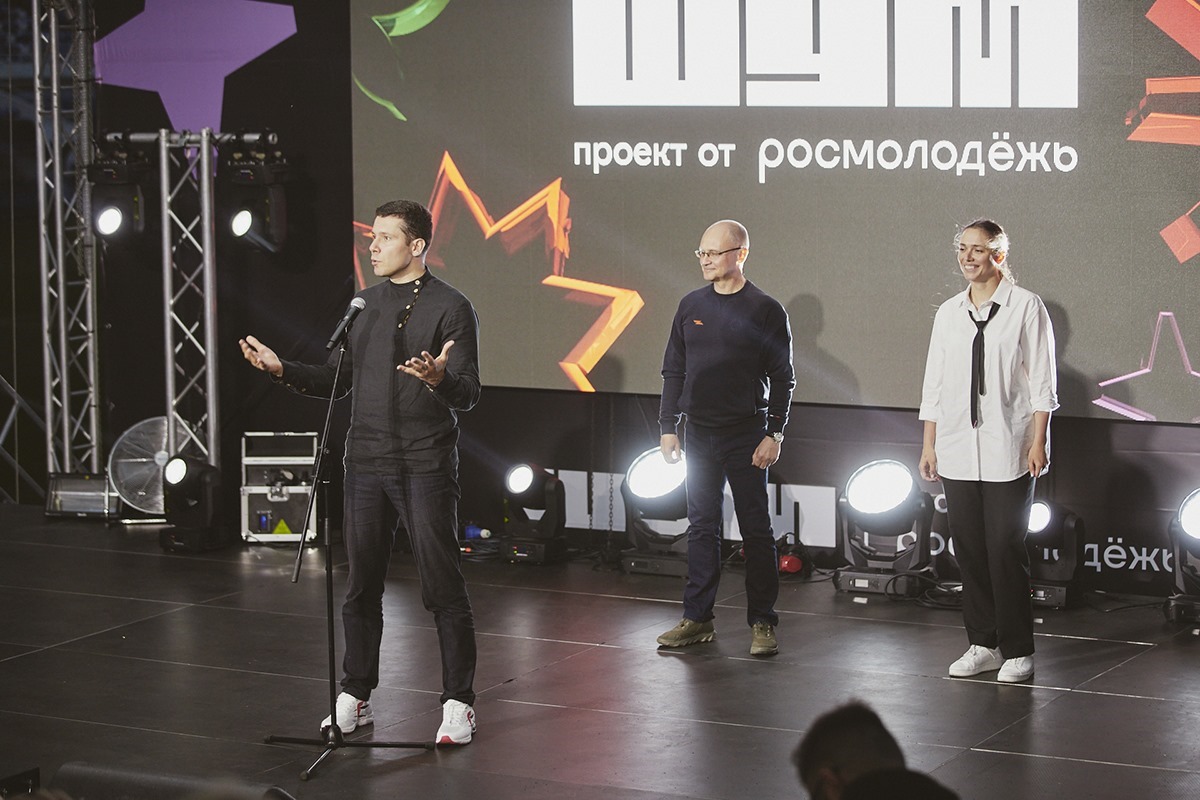
From October 26 to November 1, 2024, the international stage of the media forum SHUM took place in Kaliningrad, Russia. This forum served as a platform for global communication among young media representatives from various countries, addressing the critical challenges of modern journalism.
Discussions led by leading media activists from 86 countries centered on pressing issues such as the dangers of information propaganda and fake news, fundamental principles of journalism, and the integration of new media technologies without compromising content quality. One of the most prominent topics debated was the role of journalism in shaping a multipolar world.
Media in the Era of a Multipolar World
It is widely acknowledged that the modern geopolitical order is undergoing a profound transformation. The concept of a multipolar framework is gaining traction in the foreign policy agendas and official rhetoric of various states.
The remnants of the Bretton Woods financial system and the dominance of dollar-based transactions increasingly destabilize the global economy, particularly as emerging economies in Latin America, Africa, and Asia enter the world stage. The growth of multifaceted political and economic interactions among countries in the Global South, the Middle East, and the Asia-Pacific region—many of which are members of BRICS, SCO, and ASEAN—has become a defining feature of multipolarity.
Nations like China, Russia, Brazil, South Africa, and India have emerged as key players on the geopolitical stage, determined to uphold their national interests. Initiatives such as the creation of the BRICS payment system, the North-South Transport Corridor, the “Belt and Road” project, the readiness of Arab countries to trade oil products in national currencies, and the growing national consciousness of developing nations are shaping the contours of the future geopolitical landscape.
Challenges of Honest Journalism
In today’s global landscape, the competition between countries and regional blocs is shifting away from merely vying for political and economic spheres of influence. Instead, the focus is on asserting independence, sovereignty, and national interests in the media space. Western media giants like The New York Times, Financial Times, Bloomberg, Forbes, and others monopolize the narrative, promoting a one-sided view of political and economic realities shaped by transnational elites.
Both global and regional media outlets face the challenges of bias and control by governments or multinational corporations. Ensuring independence, objectivity, and truthful reporting of political events is one of the most pressing challenges for media in a multipolar world.
Youth Initiative in Journalism
Absolute independence in journalism is unattainable and unnecessary. What matters is media openness, impartiality, readiness to present diverse perspectives, and adherence to core journalistic values. These issues were actively discussed by distinguished media representatives from around the world at the SHUM forum. Many participants acknowledged the dominance of Western ideologies in global media and emphasized the need to pursue new forms of media objectivity.
For example, Patricia Nonkululeko, director of South Africa’s GSQ Media House, noted that African media often operates under significant Western influence. However, she stressed the responsibility of journalists to their people, advocating for a shift away from Western-imposed narratives by returning to the truths rooted in their own cultural heritage.
Brazilian and Argentine journalists Lucas Leiroz and Pablo Borda highlighted the West’s role in fueling Russophobic propaganda in national media. They called on journalists to study history as the foundation for relationships in a multipolar world and to conduct comprehensive analyses of available facts and perspectives in search of journalistic truth.
Forum participants also addressed the modern challenges faced by mass media. These include the need for journalists to unite, communicate, and boldly speak the truth. As Daniil Bisslinger, director of the ANO “World Youth Festival Directorate,” aptly stated, young journalists should work together to fill the vacuum in international relations with cultural and historical communication. Journalism must aim to fill this vacuum with honest and objective content, or else it will be occupied by misinformation and fake news.
Italian political expert Carlo Di Mantino warned of the technological and quantitative aspects of fake news, which contribute to a pseudo-reality. He criticized Western nihilism and political relativism, which blur the lines between truth and falsehood. Di Mantino cited the portrayal of Russia as a threat to Europe as a prime example of misleading propaganda. According to him, Europe, much like the fictional character Dorian Gray, fears looking into the mirror and confronting its true destructive nature. Instead, it projects this image onto other nations.
Indonesian journalist Tia Nur Anissa highlighted censorship, bias in reporting, and the growing public distrust in media as major concerns. She pointed out the confusion caused by one-sided narratives that leave audiences unable to discern truth from lies. Tia urged journalists to remain committed to fundamental values like truth, accuracy, and fairness, to use new journalistic tools responsibly, and to continuously improve their ethical and professional standards.
It is clear that the younger generation of journalists understands the need to adhere to universal human values, moral principles, historical awareness, and cultural communication in their work. Quality journalism grounded in truth and ethical standards should become a hallmark of modern media and evolve into a global standard for media practices.
SHUM Forum as a Platform for International Media Communication
The SHUM forum demonstrated the demand for international platforms where media representatives can address critical questions of global journalism, build consensus on challenges, and defend the principles of media independence and truthfulness.
A multipolar world cannot thrive without a conscientious approach to journalism as a fundamental societal value. It must be built on mutual respect among states, peoples, and cultures, ensuring their right to truthful and objective representation of their interests in the international information space.