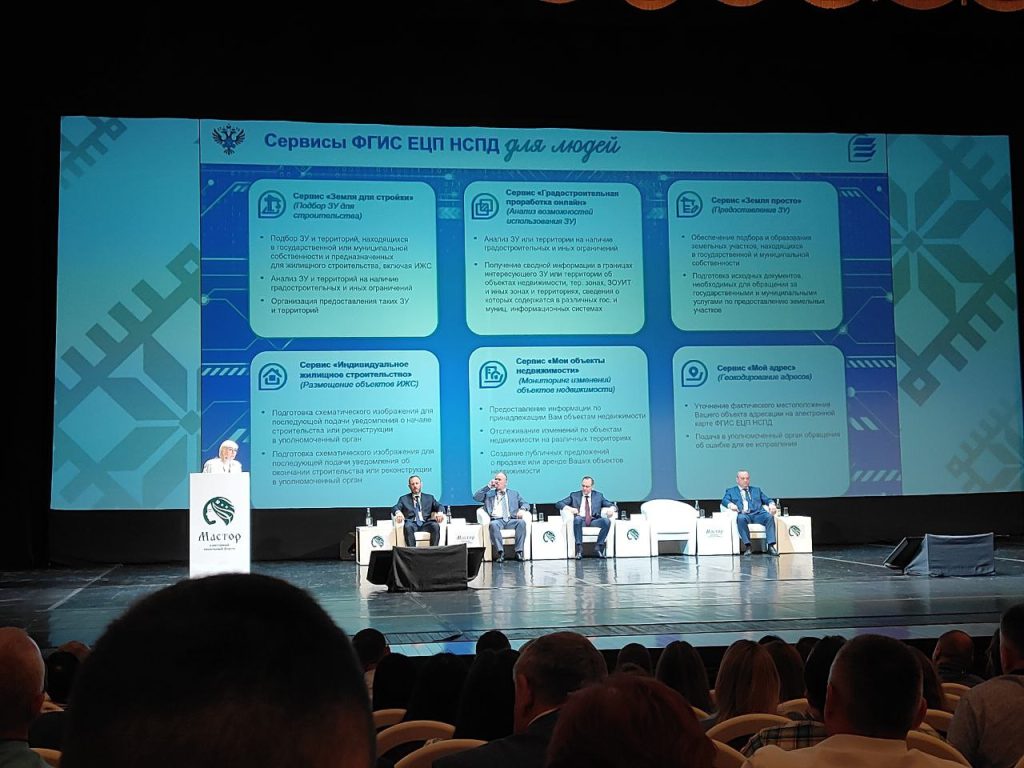
From May 29 to 30, 2025, the annual land forum “Mastor” was held in the city of Saransk. The capital of Mordovia hosted the event for the third time, but this year it was granted international status. During the business visit, the republic was visited by representatives of Belarus, Tajikistan, Turkey, the Republic of South Africa, the United Arab Emirates, as well as officials of the Russian Federation from more than 50 regions of the country.
The main topics of discussion included the integrated development of territories, land use, land allocation, the national spatial data system, and digital technologies.
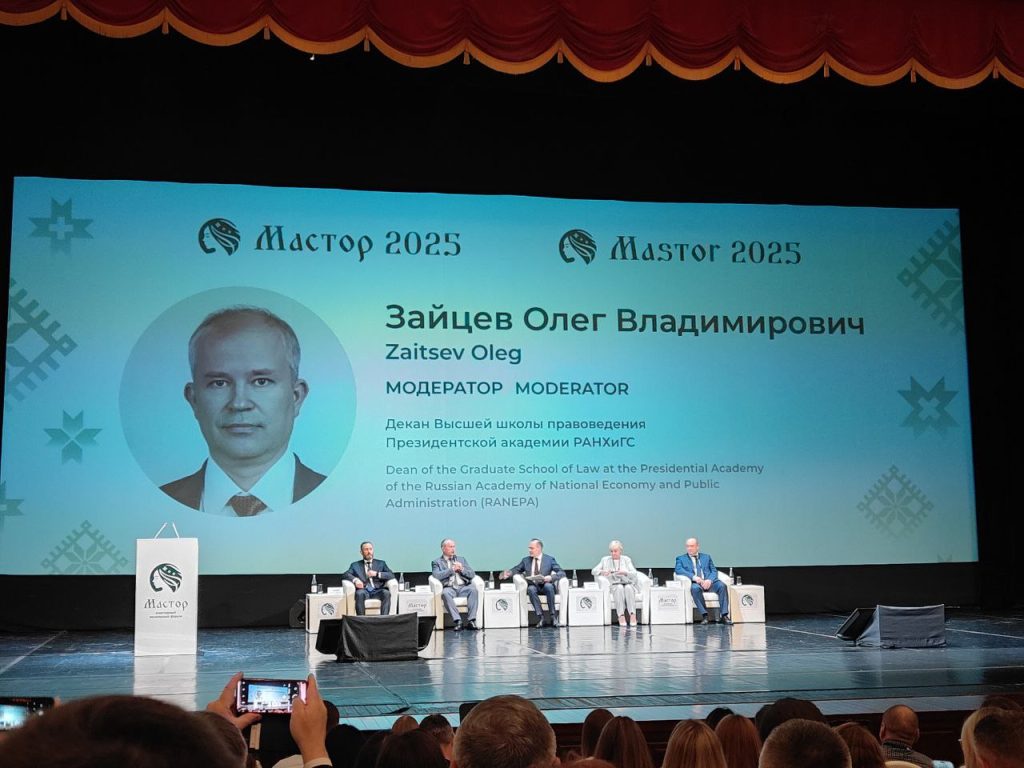
The importance of resolving land-use issues at various levels
“Mastor,” translated from the Erzya language, means “land.” The forum is an important step toward exchanging experience and knowledge in the field of land relations at both the international and federal levels. During the plenary session held at the I.M. Yaushev State Musical Theater, O.V. Zaitsev, Dean of the Higher School of Law of the Presidential Academy RANEPA, noted that nationwide unity and the protection of state interests in the sphere of land relations can lead Russia to success and help build an effective model of international cooperation. The Head of the Republic of Mordovia, A.A. Zdunov, stated that land-related issues play a significant role both at the level of individual households and at the international level. He also emphasized that such issues should be addressed within the framework of forums like “Mastor,” where professional discussion of current land-use challenges is essential. The Head of the region highlighted the importance of interaction between regional authorities and federal bodies, citing the positive example of a joint project with Rosreestr aimed at the phased creation of a national spatial data system in the Republic of Mordovia by 2030. M.N. Boltachev, First Deputy General Director of JSC “Terra Tech” of the State Corporation for Space Activities “Roscosmos,” stressed that land is an important asset that can develop only through competent and deliberate management. Given the vast size of the country, space technologies are becoming the only tool for comprehensive analysis of its territory. Thanks to Russia’s achievements in the space sector, JSC “TerraTech” is currently developing thematic maps of natural assets and economic activity, creating monitoring systems for forest logging, land desertification, oversight of alcohol and tobacco enterprises, as well as photo and video enforcement of traffic regulations.
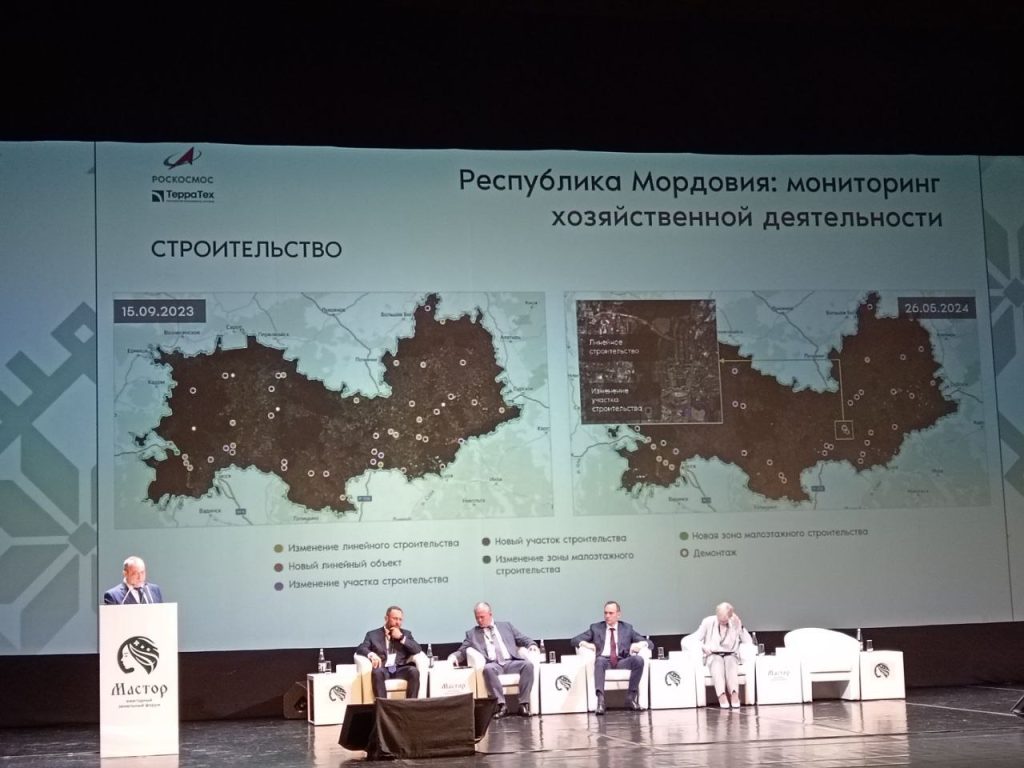
Issues of integrated territorial development and international experience
An important thematic block of the “Mastor” forum was the topic of integrated territorial development (ITD), including the exchange of international experience in this field. ITD should be understood as a set of measures aimed at the organized development of large areas and their provision with the necessary infrastructure for sustainable growth. The implementation of ITD programs helps improve the quality of life of the population by creating new jobs, developing infrastructure, and attracting investment for the growth of small and medium-sized businesses. Modern ITD approaches make it possible to effectively address issues of economic, social, cultural, and environmental development in the regions of Russia.
Thus, Mordovia has a rich cultural heritage that can be integrated into territorial development programs to attract tourists and increase interest in the region. For example, the Chairman of the Board of Directors of the International Institute for Cultural Diplomacy of the UAE, Almuaeni Mohammad Kamil, noted the region’s potential in the fields of business and tourism. He also shared relevant experience in implementing integrative ITD approaches in his country, which consist of a close combination of business and government interests, as well as consideration of interethnic aspects during the implementation of infrastructure projects. This enables the UAE to maintain a high level of tourist and investment attractiveness over a long period of time.
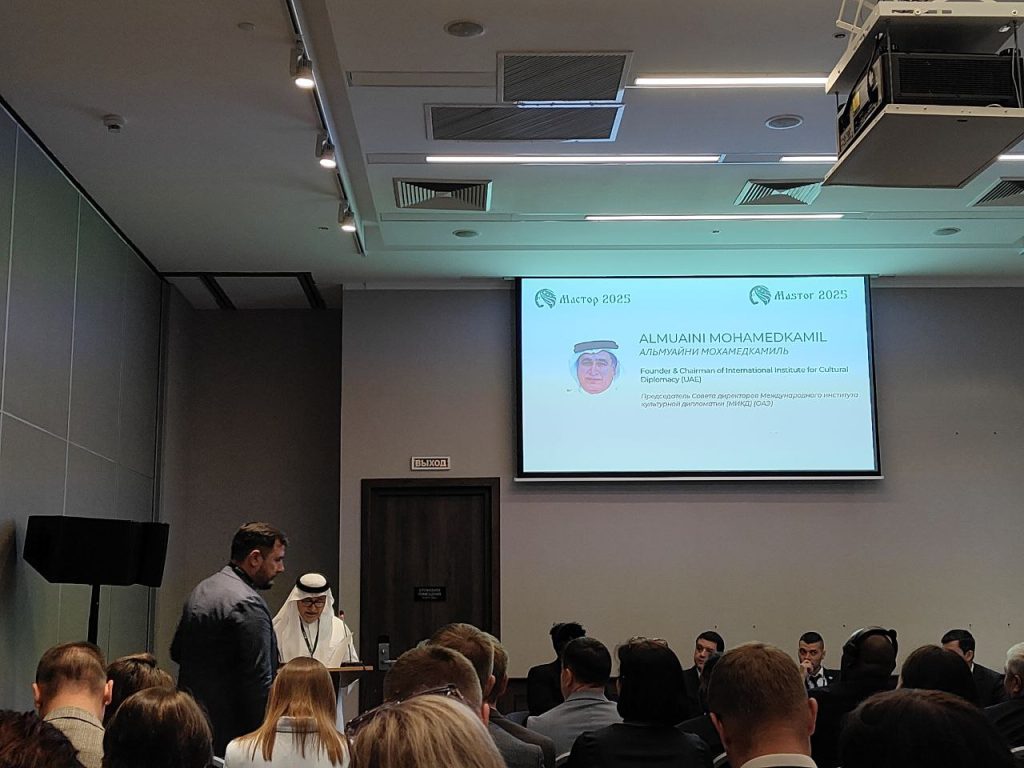
In particular, Almuaeni Mohammad Kamil emphasized that cooperation with foreign countries makes it possible to adopt successful practices and methods for implementing integrated territorial development. This may include both technological solutions and approaches to territorial management. In addition, international projects can contribute to cultural exchange, which is important for shaping a positive image of regions and the country as a whole.
Her Royal Highness the Princess, Executive Chair of the BRICS Women’s Business Alliance and Vice President of the India–South Africa Chamber of Commerce, Lebogang Zulu, proposed close cooperation between African countries and Russia in the fields of construction, architecture, and design. In her view, the African continent needs to build around 55 million residential homes, 1.5 million hospitals, and more than 2 million educational institutions. She links the implementation of these projects to large-scale cooperation with Russia in jointly countering neocolonial practices and in the struggle for the economic and cultural independence of African states. Princess Zulu emphasizes the importance of continuing to develop international standards in a multipolar world and strengthening cultural and economic cooperation for a peaceful and comfortable life for future generations.
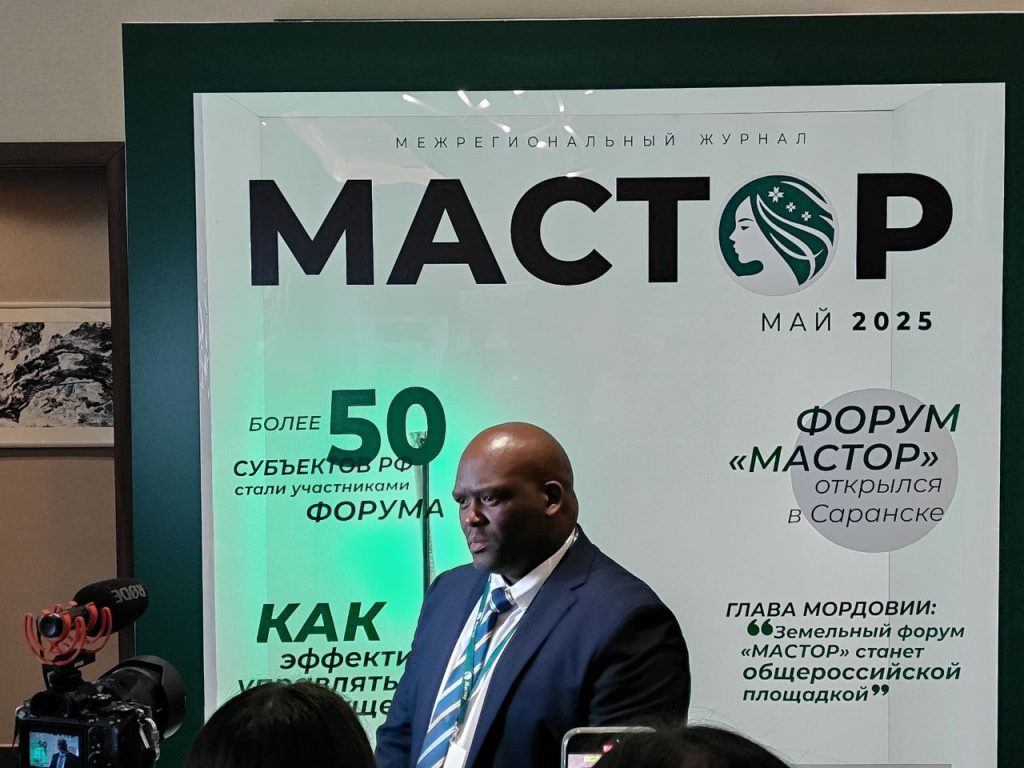
Orhan Erkan, Associate Professor of the Department of Development and Real Estate Management at Ankara University, Vice President of the International Federation of Surveyors (FIG), and Chair of the International Relations Commission of the Turkish Chamber of Surveying Engineers, emphasized the importance of attracting investment not only to large cities but also to smaller ones, because, as in Russia and Turkey, there is a pronounced gap between the center and the periphery in terms of business and tourism development. It is necessary to ensure decent living conditions in all regions, build accessible transport networks, and improve green spaces and recreational areas. Orhan Erkan cited the Turkish land management project in Southeastern Anatolia (known as GAP) as an example. It is based on the concept of sustainable development, aiming to create an environment where future generations can grow and participate in environmental protection. According to Erkan, the implementation of GAP will provide job creation in the region and the development of integrative logistics and tourism infrastructure.
In conclusion, it is important to emphasize that the international forum “Mastor” formulated global goals and objectives for the development of international and interregional cooperation in the field of effective land use. Integrated territorial development projects using modern digital technologies are a key element of sustainable development for individual countries and regions, as well as entire continents. Effective implementation of ITD requires the integration of various aspects — economic, social, and environmenta l— along with active international cooperation for the exchange of experience and mobilization of resources. It is important for the international community to continue developing this vector of mutually beneficial cooperation to ensure the well-being of populations and preserve natural resources for future generations.