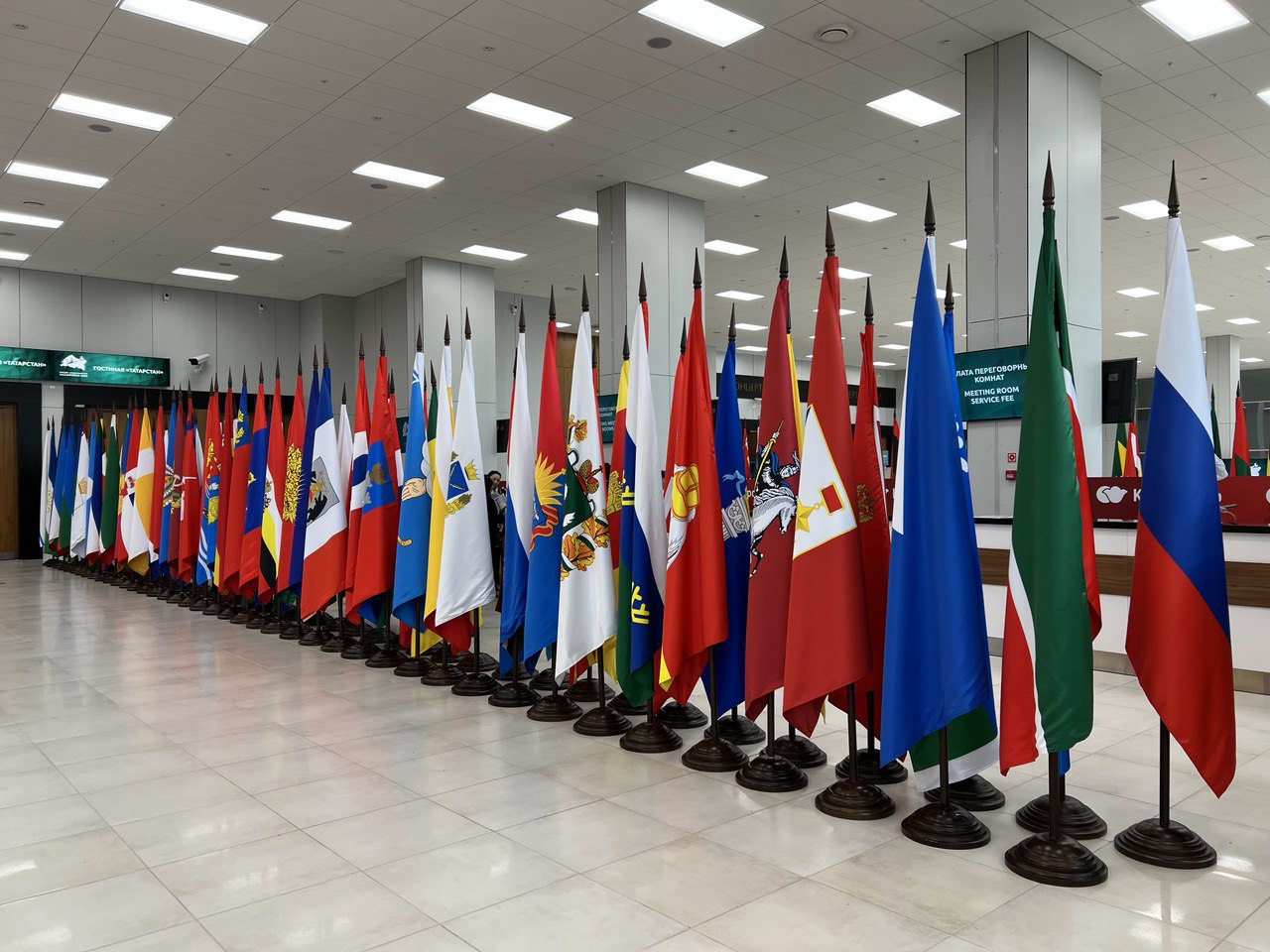
At the BRICS summit in Kazan, we see lively discussions among member countries about the future of institutions, economic programs, and development. In fact, the Global South — these economies once considered the future — is becoming an economic leader.
However, the international system established after Bretton Woods and the collapse of the Soviet Union is still oriented toward Atlantic trade, where economic and diplomatic power is concentrated in the West. Since the early 2000s the global economy and demographics have changed significantly, and today we see strong economies on the world stage such as Brazil, Russia, China, South Africa, and India. The combined economic weight of the BRICS countries has already exceeded $60 trillion, which is more than that of the G7 countries combined.
This new economic reality is still weakly reflected in the diplomatic sphere, and BRICS provides its members with the opportunity for economic development while bypassing Western ideological control, supported by substantial diplomatic resources and coordination.
Meanwhile, countries like Egypt, the UAE, and Saudi Arabia continue to face the dominant influence of the United States, which makes them dependent on American foreign policy, as if their diplomacy were merely an extension of Washington’s policy.
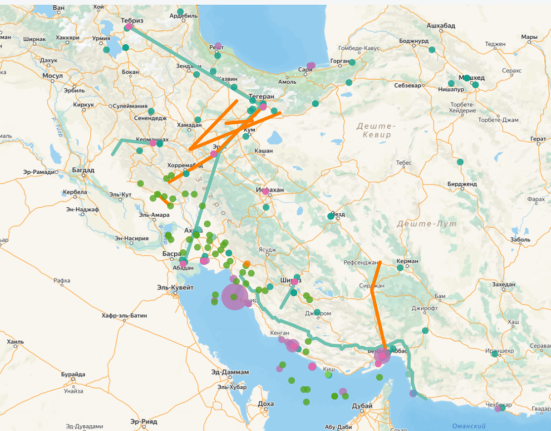
Sanctions against Iran, Russia, and certain Chinese companies harm both the Western economy and the BRICS countries, although the West suffers more: the restrictions have only reinforced the need for BRICS countries to create a new economic platform free from external pressure. Thus, the BRICS organization itself has, in part, emerged as a result of Western dominance.
Now, the BRICS Development Bank in Shanghai, under the leadership of Dilma Rousseff, is considering dedollarization, the creation of its own payment system, and an alternative to SWIFT, which is necessary for the member countries themselves. This is not a threat to the West, but rather a means of survival and development, and BRICS remains open to cooperation. Nevertheless, Washington, London, and Brussels view this as a challenge to their influence, failing to see the real opportunities.
Putin explicitly stated that BRICS is not directed against anyone; it is a platform for its members that helps them secure their rightful place in the international community, strengthen sovereignty and stability within the framework of international law, and establish economic, diplomatic, and defense ties with the West, so as not to be left out in a new bipolar world. BRICS offers a multipolar world, but the West, having lost its monopoly on influence, strives for a bipolar system, seemingly unaware that a new multipolar world is actually emerging.