Consolidation of the Sovereign Model: institutional reforms and the formation of a foreign policy contour
Short description: In November-December 2025, Russia implemented a number of systemic political and legal steps aimed at strengthening domestic sovereignty and reorienting foreign policy relations. The key events were the reform of the Supreme Court to exclude references to the European Convention on Human Rights, the approval of a long-term Strategy for state national policy until 2036, as well as the active promotion of economic initiatives on the SCO platform. These measures were taken against the background of escalating confrontation with the West, in particular, after the EU’s decision to permanently block Russian assets. The totality of these processes reflects Russia’s formation of a development model that is largely autonomous from Western institutions and based on alternative multilateral structures and its own legal system.
Preface
November-December 2025 marked a period of active institutionalization of key areas of domestic and foreign policy for Russia. The main attention was paid to the systematization of the legal field, the definition of strategic priorities in the field of interethnic relations and the development of economic diplomacy within the framework of non-Western multilateral structures. At the same time, the confrontation with Western countries continued, reaching a new level in connection with the decision to permanently block Russian assets. The combination of these events indicates Russia’s desire to create a sustainable development model, largely independent of Western institutions, and to actively participate in the formation of alternative centers of economic and political influence.
Strategic framework for national development: legal and socio-political initiatives
At the end of 2025, decisions were made in Russia aimed at systematizing and long-term consolidating the foundations of development in the legal and socio-political spheres.
The reform of the legal field.
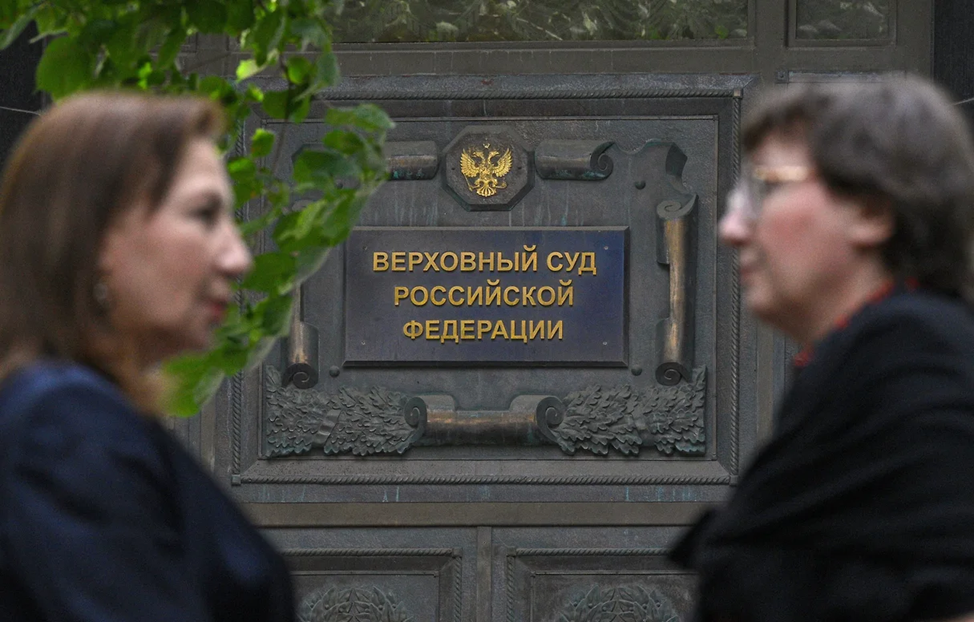
On November 18, the Plenum of the Supreme Court of the Russian Federation adopted a decision that initiated the process of invalidating a number of its own key clarifications regarding the application of the European Convention on Human Rights, and also amended several dozen existing rulings. This step is a continuation of the course that began after Russia’s withdrawal from the Council of Europe in 2022. As part of the reform, norms based on the Convention and the practice of the ECHR are being replaced by references to Russian law and other international treaties, such as the International Covenant on Civil and Political Rights. At the same time, the decisions of the Supreme Court indicate the intention to preserve the basic procedural guarantees and standards of protection of rights, but in a new legal framework. This decision was justified by the need to complete the process of adapting national judicial practice to new international legal realities after the termination of membership in the Council of Europe. Legal experts note that this process sets a precedent for further harmonization of domestic legislation in isolation from European legal standards, which may have long-term consequences for law enforcement practice and international legal dialogue.
The strategy of the state national policy. As a follow-up to the formation of its own strategic documents, a new Strategy for state National Policy until 2036 was approved. The document assesses the current situation in the field of interethnic relations as stable, but highlights a number of long-term challenges, including the impact of global migration processes, issues of integration and the preservation of cultural diversity. The main objectives of the strategy include strengthening civic unity, protecting and developing the Russian language as a state-forming language, as well as improving migration policy. The document sets specific targets, for example, achieving the proportion of citizens who positively assess the state of interethnic relations at least 85% by 2036. Thus, domestic policy receives formalized long-term guidelines aimed at ensuring social stability. The strategy involves the implementation of a set of measures in the field of education, cultural policy and social adaptation, which indicates a systematic approach to managing ethnopolitical processes in the long term.
Foreign policy activity: multilateral diplomacy and escalation of confrontation In parallel with the internal transformations, November-December 2025 was marked by active foreign policy activities combining the development of cooperation with some partners and the deepening of conflict with others.
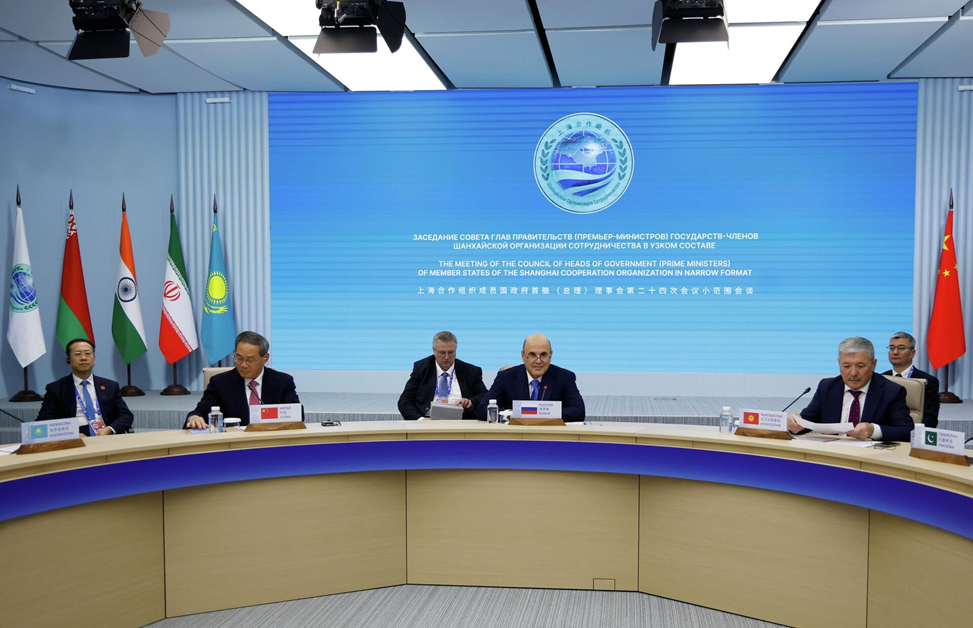
The results of the SCO presidency. A significant event in multilateral diplomacy was the meeting of the Council of Heads of Government of the Shanghai Cooperation Organization in Moscow on November 18, at which Russia summed up the results of its presidency. The emphasis was placed on the economic aspects of cooperation, including increasing the share of mutual trade in national currencies and developing transport connectivity. During the meeting, the Russian initiative to create an expert group to improve the financial infrastructure of the SCO and explore the possibility of forming an organization’s Development Bank was supported. These steps are positioned as measures aimed at reducing dependence on Western financial systems and increasing the resilience of the economies of the participating countries. The meeting participants noted the growth of the SCO countries’ combined economic potential, which, according to experts, strengthens the organization’s role as one of the centers of the emerging multipolar economic architecture. The Russian presidency was described as a period of practical implementation of previously reached agreements, especially in the field of trade and investment.
Financial and legal standoff with the EU.
On December 17, the Council of the European Union approved a decision on the indefinite blocking of frozen sovereign assets of Russia, estimated at 210 billion euros, until Moscow fulfills its obligations on possible future reparations to Ukraine. Russian officials described this decision as contrary to international law and outlined the preparation of retaliatory measures, including filing a lawsuit by the Bank of Russia against the Euroclear depository holding. This step translates the economic confrontation into lengthy legal proceedings and potentially leads to further separation of financial and legal spaces. The lawyers note that the indefinite nature of the lockdown creates a new precedent in the practice of sanctions regulation, which may have long-term consequences for international financial relations and confidence in the euro as a reserve currency. The Russian side has announced its intention to challenge this decision through national courts and international instances, which portends a protracted legal conflict.
The position on the settlement of the conflict in Ukraine.
The Russian side has maintained its previous approaches to settlement issues. In mid-November, the Kremlin’s official representative publicly rejected the idea of a temporary truce, saying he was ready to discuss only the terms of a “long-term and reliable peace.” This position was stated in response to international initiatives that envisioned a phased settlement. Russian diplomacy continues to insist on recognizing the territorial realities that have developed during the conflict as a necessary basis for any negotiations. Experts regard this position as a demonstration of the lack of intention to compromise on key territorial issues in the foreseeable future, which determines the high level of uncertainty in the negotiation process.
Key media event
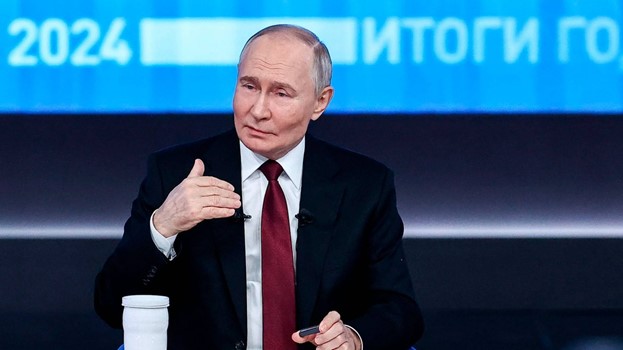
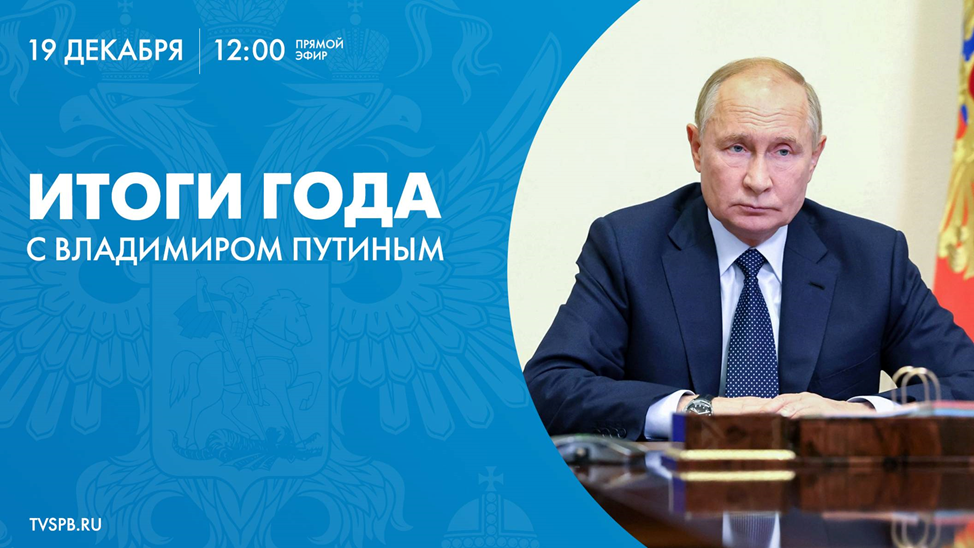
The final major event of the year was the program “Results of the Year with Vladimir Putin”, which took place on December 19th. This format, which combines elements of a press conference and answers to citizens’ questions, is traditionally used to summarize the results of the year, inform about the leadership’s position on a wide range of internal and external issues, and interact directly with the audience. During the event, the topics of economic development, social policy, technological independence and the international situation were touched upon. This format allows the head of state not only to convey the official position, but also to demonstrate awareness of the problems of citizens, performing an important communicative and legitimizing function in the political system.
Conclusion
The period November-December 2025 marked a stage in Russia’s proactive formation and legislative consolidation of the foundations of its long-term political and economic model. The main trends were the systematization of the legal field with an emphasis on national sources of law, the approval of strategic documents setting guidelines for internal development, and the intensification of economic diplomacy within alternative multilateral associations such as the SCO. These internal processes developed in parallel with the deepening confrontation with the West, which reached a new level in the financial and legal sphere. The combination of these steps forms the contours of a model based on the priority of sovereignty, the diversification of international relations and readiness for a long-term confrontation in the face of sanctions pressure. It can be stated that Russia consistently implements a strategy of building a parallel system of economic, legal and political relations, which objectively contributes to the further fragmentation of the global order.
Based on the prevailing trends of November-December 2025, the further development of the situation around Russia in 2026 may develop according to several key scenarios determined by the interaction of internal consolidation and external pressure.
Scenario 1: “Accelerated sovereignization and deepening of the split”
This scenario assumes the full and accelerated implementation of the internal reforms planned at the end of 2025. The legal reform is culminating in the creation of a fully autonomous judicial practice from Western standards, and a new national policy is being actively implemented through educational and media institutions. The economy is rapidly reorienting towards partners in the SCO and other non-Western associations, accompanied by the creation of closed financial instruments (for example, the SCO Development Bank) and a complete transition to national currencies in settlements. The confrontation with the EU is reaching a peak: mutual lawsuits and counter-sanctions lead to an almost complete severance of economic ties, and the legal battle over assets is reaching an impasse. This path leads to the final design of Russia as the center of one of the “parallel systems” described by Western strategists, but it is accompanied by high internal costs associated with isolation and the need to mobilize resources.
Scenario 2: “Tactical stabilization and controlled confrontation”
In this case, the internal transformations are smoother and more adaptive. The legal system retains some elements of continuity, and strategic initiatives are implemented with an eye to socio-economic stability. In foreign policy, Russia maintains harsh rhetoric and continues to develop alternative alliances, but de facto avoids drastic steps leading to an irreversible break with the West. The financial conflict with the EU is moving into a sluggish phase of multi-stage litigation, which avoids immediate escalation. Settlement issues remain frozen, but may be accompanied by targeted diplomatic contacts. This scenario reflects the desire to consolidate sovereignty without total isolation, balancing between building parallel structures and forced coexistence in a single but divided world.