Short Description: The article by Koldo Salazar examines the deepening cooperation between BRICS countries and Latin American states following the IMBRICS Forum 2025. It highlights BRICS as a platform for dialogue, public diplomacy and new economic opportunities, including trade in national currencies and alternative logistical routes. Through statements from Argentine and Ecuadorian representatives, the author emphasizes the growing role of parliamentary, municipal and cultural exchanges in strengthening regional autonomy. The analysis shows that Latin America’s engagement with BRICS contributes to building a more balanced and representative global order.
In last IMBRICS Forum in 29-31 october 2025, the experience between IMBRICS organization and Latin American mayors and politicans reveals basic points in common to make great development in public diplomacy sphere between BRICS countries and non BRICS countries comming here looking for friendship.
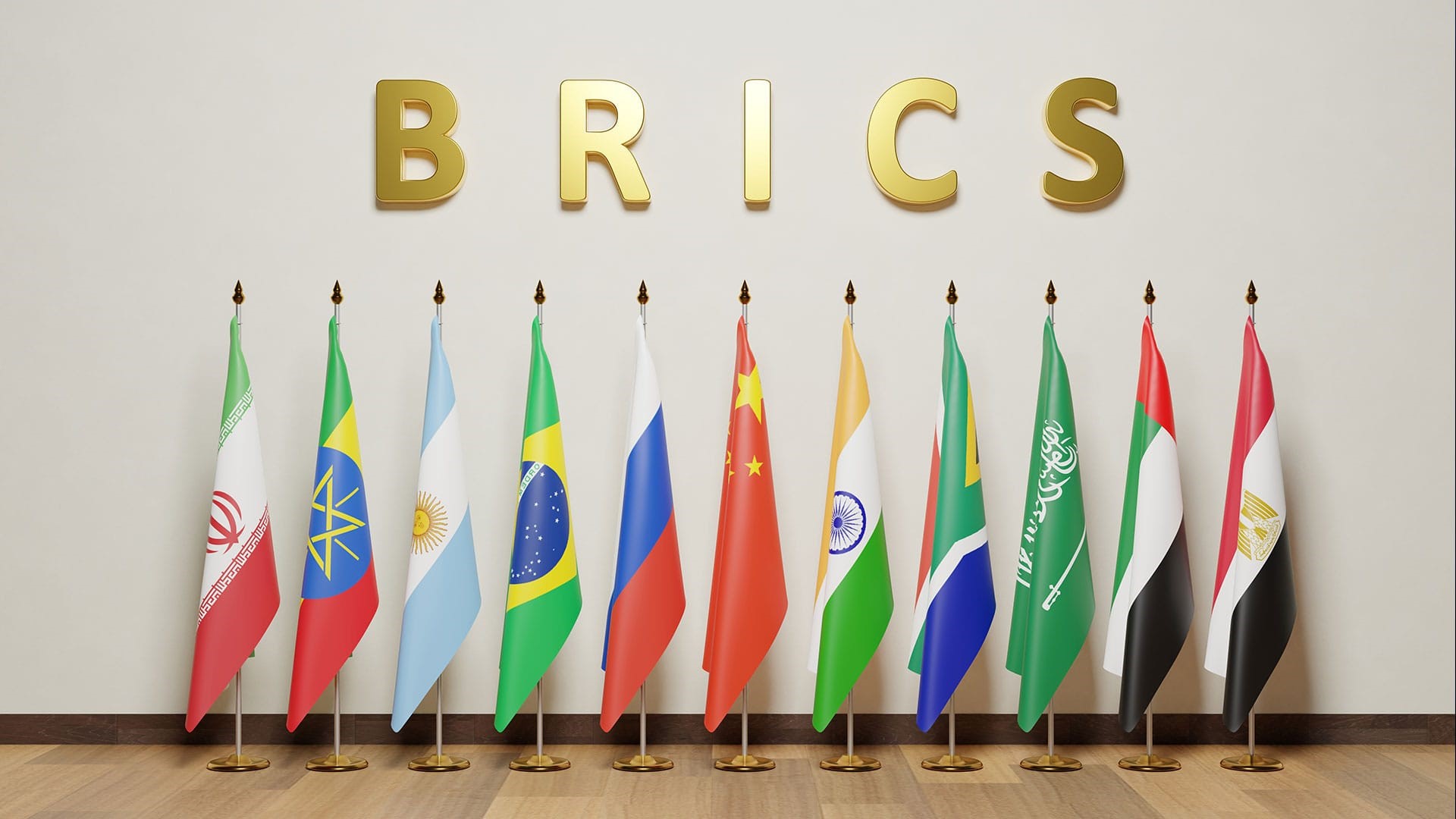
The role of BRICS in Latin America is presented as a strategic and promising opportunity for the region, fostering cooperation, dialogue, and joint development. Member countries of the bloc, led by emerging powers such as Russia and China, are paving new paths to strengthen Latin America’s presence and influence on the global stage, promoting a more representative and balanced view of the world.
One of the main advantages of BRICS for Latin America is its function as a dialogue platform that encourages collaboration with countries like Cuba and Bolivia, considered special and strategic partners. These ties not only promote solid bilateral relations but also allow the region to participate in a space that is not marked by antagonism but by the joint pursuit of common interests for a fairer and more balanced world.
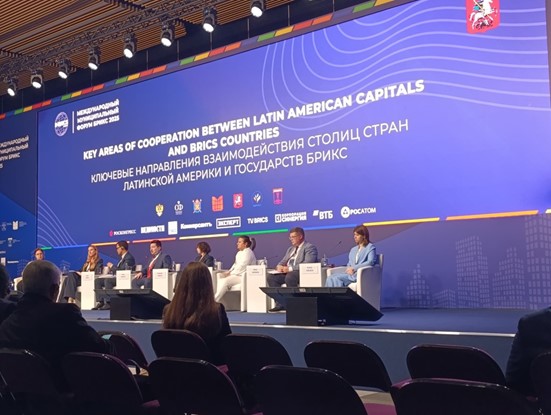
The bloc also represents a way for the region to expand its participation in public diplomacy, promoting dialogue in areas such as education, culture, and sports. The inclusion of academic and sporting institutions in these exchanges creates a positive long-term impact, strengthening mutual understanding and building bridges of cooperation across various social sectors.
Furthermore, BRICS offers multiple logistical and economic opportunities, enabling Latin American countries to explore new trade routes, conduct transactions in currencies other than the dollar, and reduce their vulnerabilities to traditional power dynamics of the Global North. Brazil, as a founding member, exemplifies this vision of mutual cooperation, maintaining significant commercial flow with Russia and other bloc members without necessarily relying on specific currencies, and promoting trade based on mutual payments in different currencies.
On the other hand, Russia and China’s presence in organizations like PARLACEN, and their interest in strengthening relationships with the parliaments of major Latin American cities, demonstrate a strategy to deepen the legislative and political foundations regionally, which favors stability and governance.
Latin America is at the center of a global alliance policy within BRICS that prioritizes security, cooperation, and development. The formation of networks and the strengthening of capacities in the region ensure that Latin American countries can make the most of the opportunities offered by the bloc, building a prosperous and sovereign future. In short, the role of BRICS in Latin America is a pathway for positive transformation that opens spaces for dialogue, cooperation, and shared growth. The region’s integration into this platform not only diversifies its international relations but also promotes a more balanced and representative world, where Latin America can play an active and leading role in the challenges and opportunities of the 21st century.