The “Eurasia Global” Forum
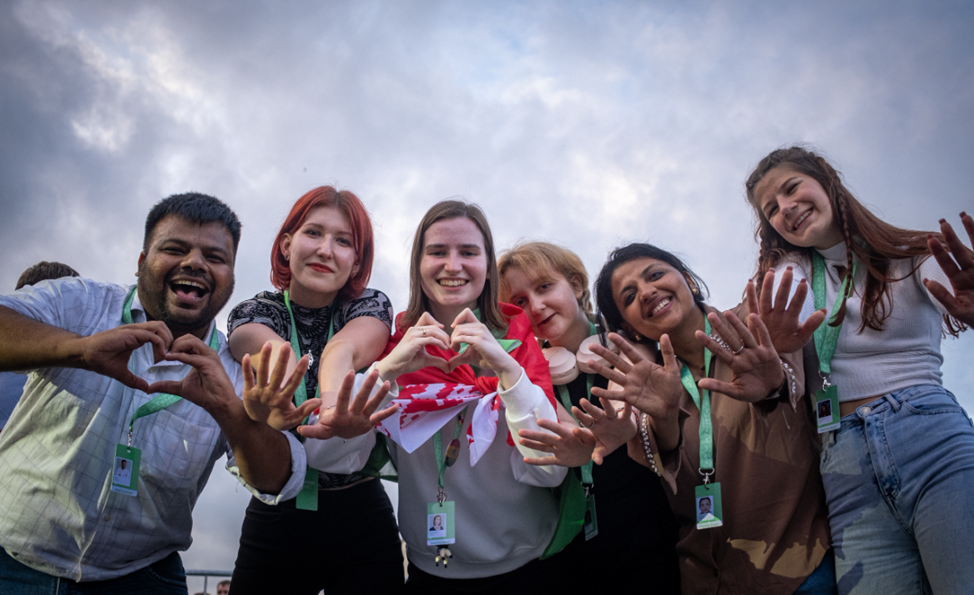
The team of the “United World” took part in the “Eurasia Global” forum to immerse in the atmosphere of international youth friendship, bringing together young activists from different countries. This article presents information about the course and significance of the forum, as well as the modern challenges and tasks of international communication for the younger generation.
“Each new day at the forum is not just a day filled with excursions and tracks — it is, firstly, an immersion into the cultures of different countries, and secondly, a breaking down of barriers between people and building bridges of cooperation. Who could have imagined that in just five days such completely different people could grow so close to each other? It is probably the most incredible and wonderful experience.”
Eurasia Global — What Is It and Who Is It For?
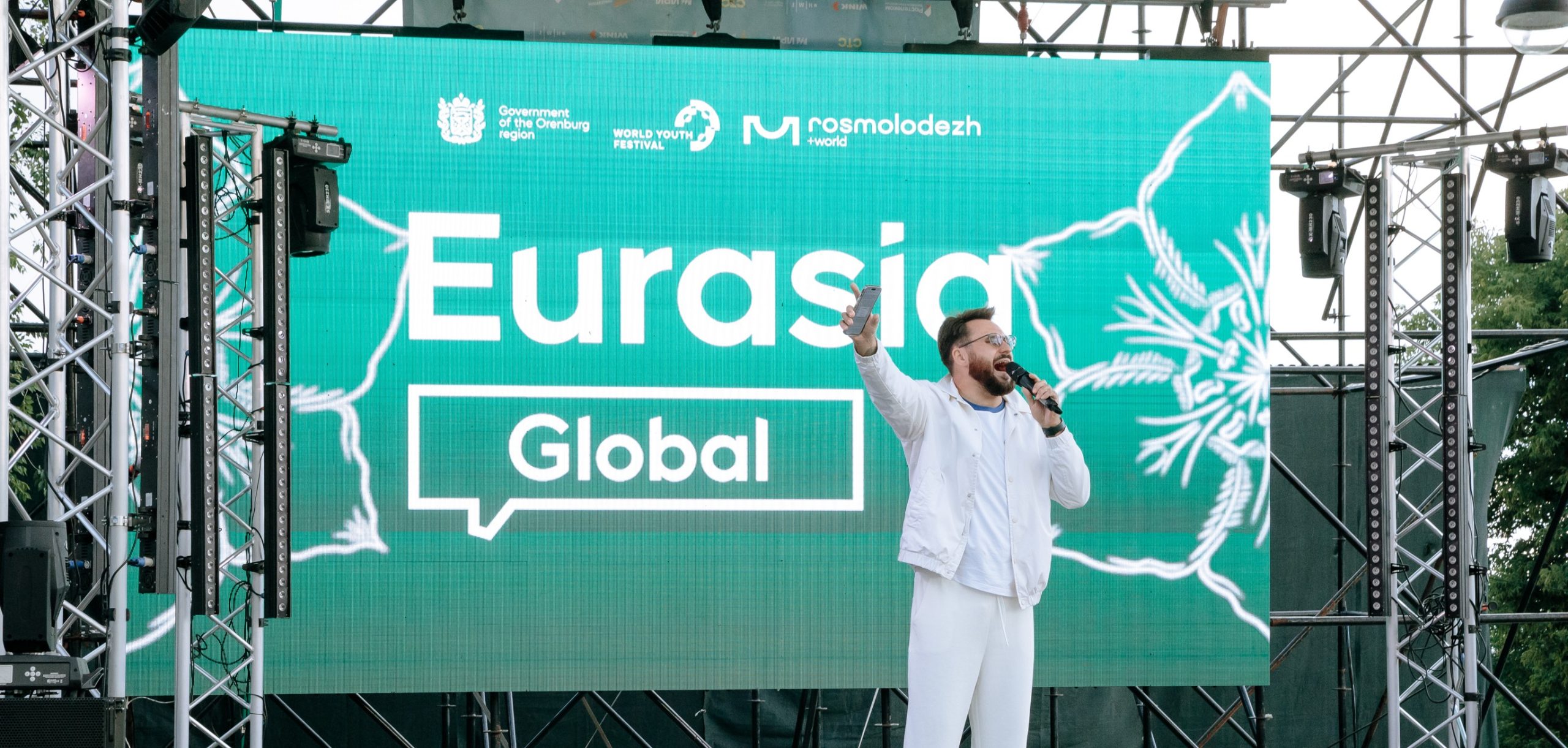
From June 24 to 29, the city of Orenburg hosted the 10th anniversary international youth forum “Eurasia Global,” which brought together 300 young activists from 53 countries and 82 regions of Russia. The forum serves as a platform for dialogue among young leaders, experts, representatives of non-profit organizations, and International Friendship Clubs (IFCs), who seek to find common solutions for building trusting and constructive relations between the young generation of different countries. Within the business and cultural programs, participants set goals and strategic directions for joint work, developed promising projects aimed at strengthening interethnic cooperation among youth, exchanged best practices and approaches to public diplomacy, and discovered the commonalities in the traditions and histories of different peoples and countries through learning about the rich heritage of the Orenburg region.
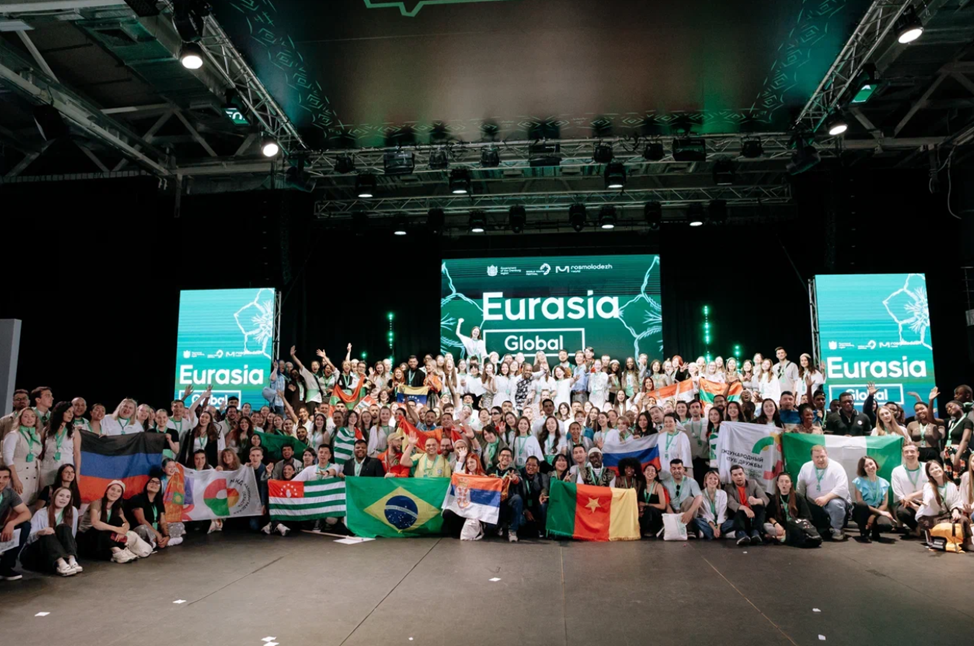
300 activists, 53 countries, and 82 regions
IFCs as a Platform for Creative International Startups for Youth
International Friendship Clubs are organizations created to strengthen intercultural exchange, develop friendly ties, and promote mutual understanding among young people from different countries. Such clubs bring together representatives of various cultures, nationalities, religions, and age groups, giving them the opportunity to communicate, share experiences, and learn from each other. Having originated at the World Youth Festival in 2024 in Sochi, the topic of IFCs is now part of various youth events held in Russia. For example, within the business program of “Eurasia Global” in 2025, the main focus areas for IFCs were: establishing horizontal connections between regional IFCs, developing an event constructor-catalog, and enhancing participants’ media skills to attract new audiences and promote initiatives. Today, IFCs have vast prospects: as the number of IFC members grows, so does the potential for implementing joint projects, cultural exchanges, and business initiatives. IFCs create platforms for international events (festivals, conferences, exhibitions) that promote cultural diversity and foster international cooperation in tourism and business. These prospects are confirmed by the words of Anastasia Zaitseva, leader of a discussion club: “Every year there will be more foreigners among IFC participants, and we (IFC leaders) will create all the conditions for that.”
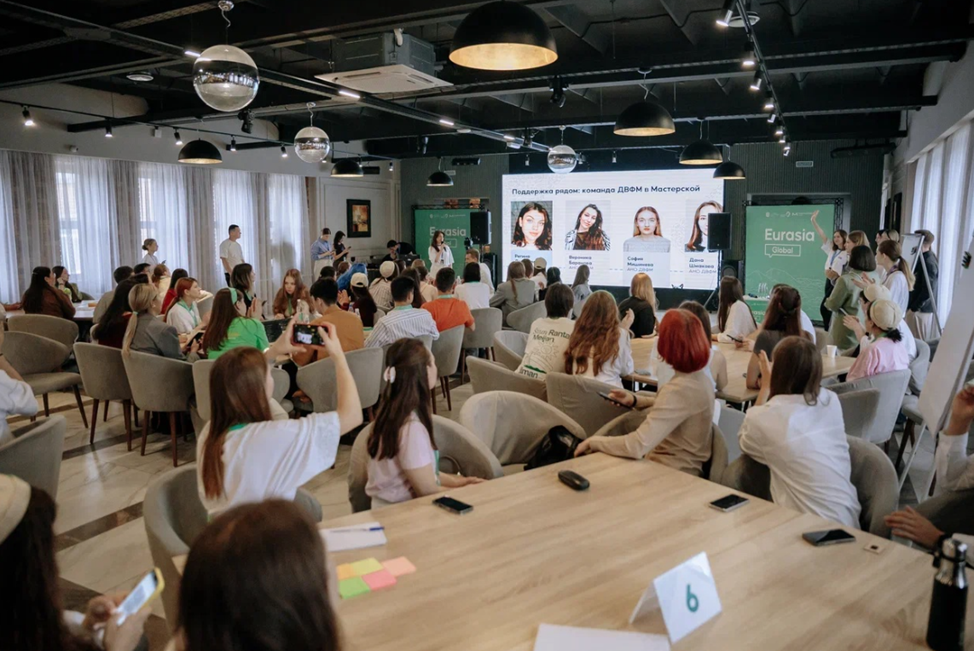
IFC Workshop
How to Find Yourself Far from Home? The Life of Foreigners in Russia
The second track of the business program — the “See You in Russia” accelerator — focused on the adaptation of foreign youth in Russia. While the first track was aimed at IFC participants, the second focused on foreigners. In the accelerator, participants discussed how to adapt in a new country and find their place far from home, covering the challenges faced by foreign guests when moving to Russia — from language barriers to everyday habits. Teams analyzed real-life cases: how to find housing, handle documents, and build connections with the new community. Count Pietro Stramezzi, Knight of the Cavalry Order of the Crown of Heraclius, an Italian migrant, journalist, and President of the International Cultural Association “Friends of Russia,” shared his experience of moving to Russia: “I moved here a year ago. Russia welcomed me with open arms. Of course, there are some difficulties. But every day it gets easier — especially after the Presidential Decree that simplified the process for foreigners who share traditional values.”
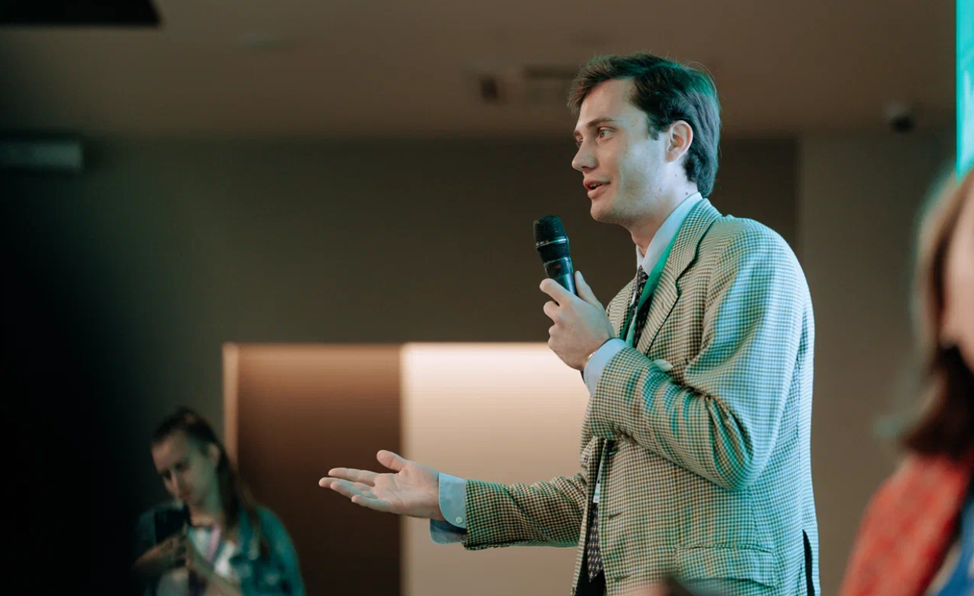
Italian Pietro Stramezzi
As a result of this track, each team produced videos about what a foreigner feels and faces in Russia and how to make life in a new place more comfortable. The business program is a key stage laying the foundation for meaningful long-term projects. Participants went beyond exchanging ideas — they developed strategies that can influence the future of a multipolar world. Thanks to the forum’s business program, International Friendship Clubs learned what new tools they can use to better help foreigners adapt and further develop intercultural communication skills.
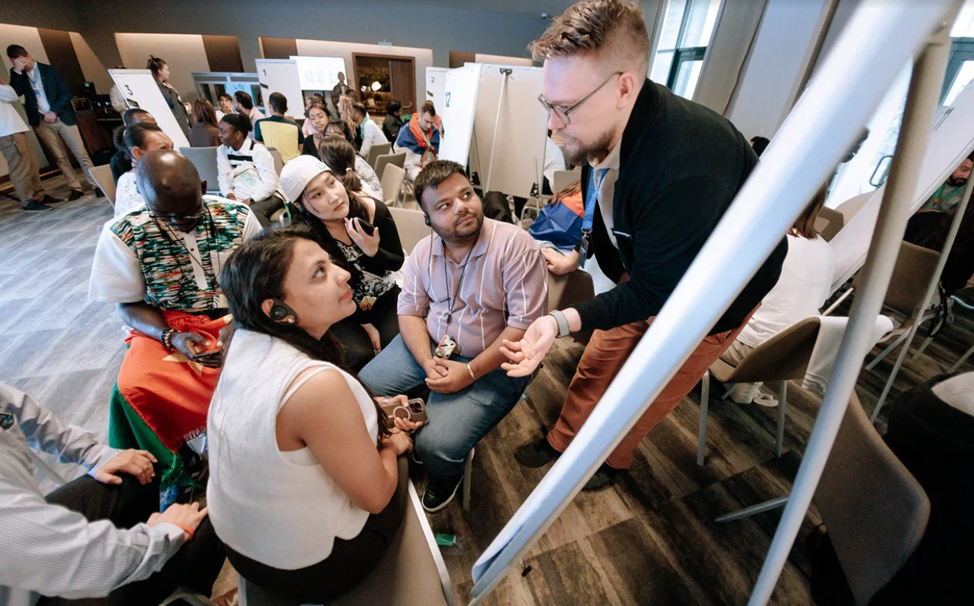
Accelerator
Understanding Shared Values through Russia’s Culture
One of the forum’s tasks was also to showcase the cultural and historical heritage of the Orenburg region as an example of Russian regional identity and hospitality. This approach helps create prototypes of socially oriented products and services aimed at improving the adaptation and stay of foreign guests in Russia. Participants had the opportunity to establish professional and friendly connections and get to know Orenburg through visiting the Orenburg Nature Reserve, the “Orenburg Downy Shawls” production, the “Orenmilk” ice cream factory, the Rostropovich Family House-Museum, a Russian folk choir concert, the “Flavors of Orenburg” gastro festival featuring various national dishes, and a concert by the music group “NLO.” By exploring Russia’s cultural code, visitors from other countries can discover the richness and depth of traditions, values, and spiritual guides that have common roots across different peoples and nations. Culture is a bridge that connects people of different nationalities, allowing them to understand and feel the commonality of human experiences and aspirations. This unity is especially evident in the words of German Lizandro, a social entrepreneur from Peru: “We visited local indigenous people here in the Urals. For me, this was a powerful moment, because I know that such people exist in Senegal, in Rwanda… So, in a sense, we all share the same roots.”
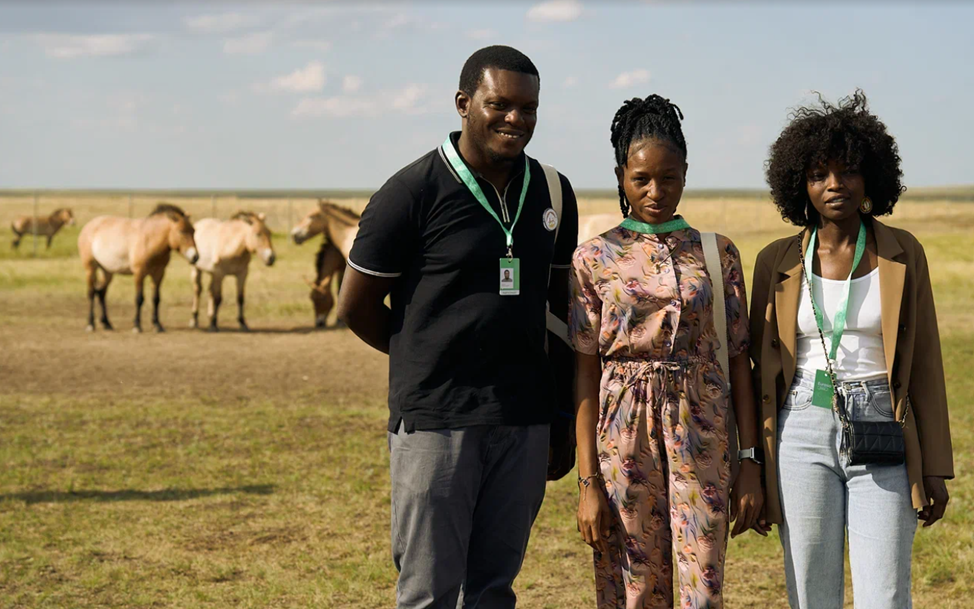
Orenburg Nature Reserve
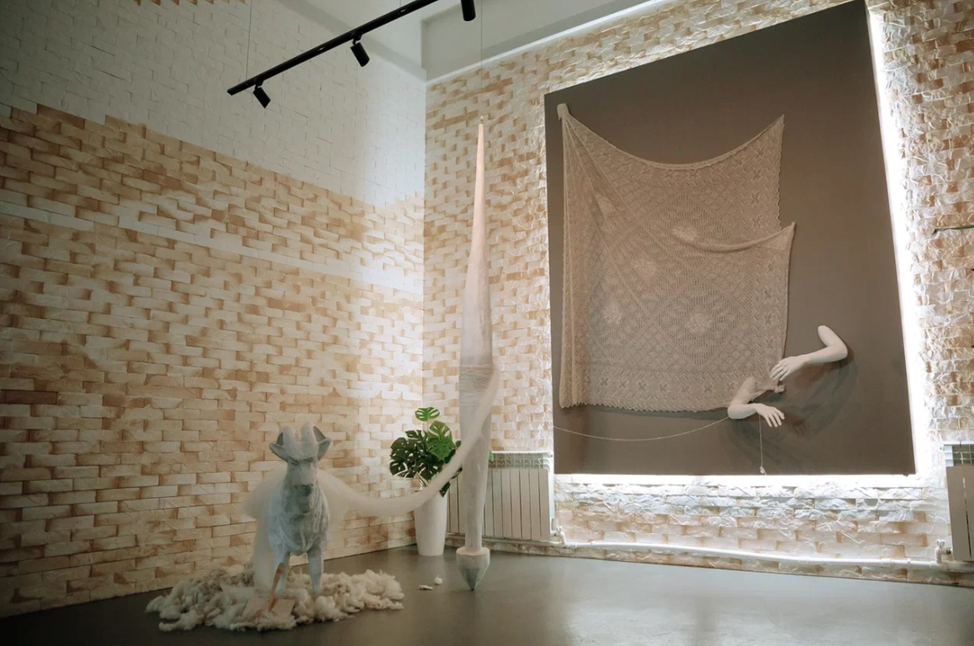
Orenburg Downy Shawls
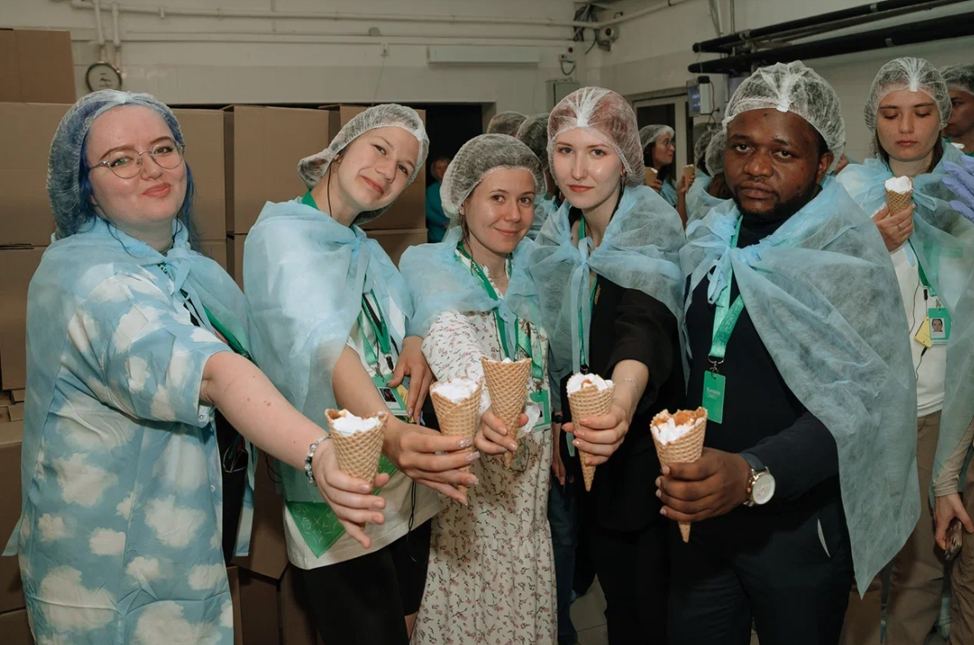
Orenmilk Ice Cream Factory
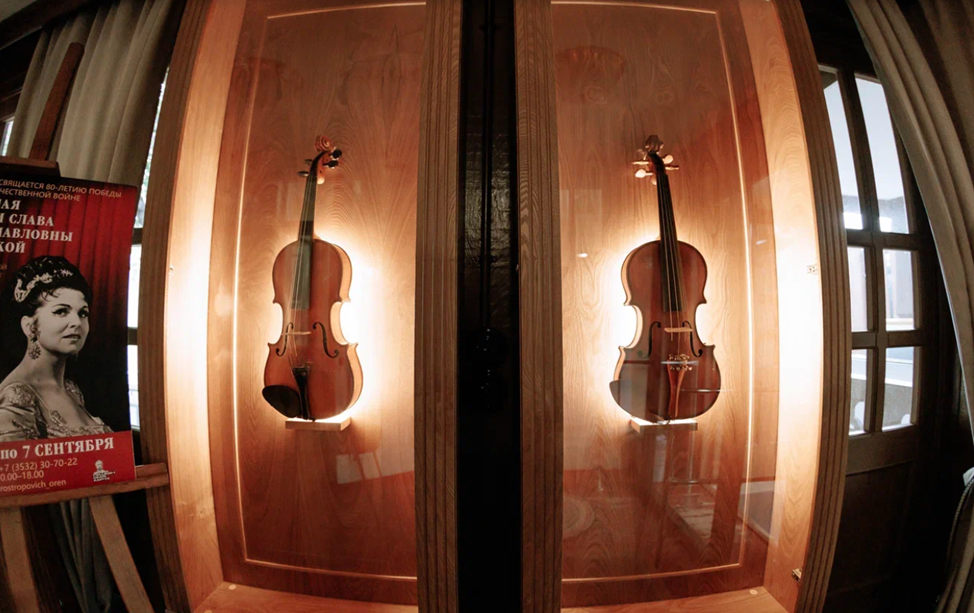
Rostropovich Family House-Museum
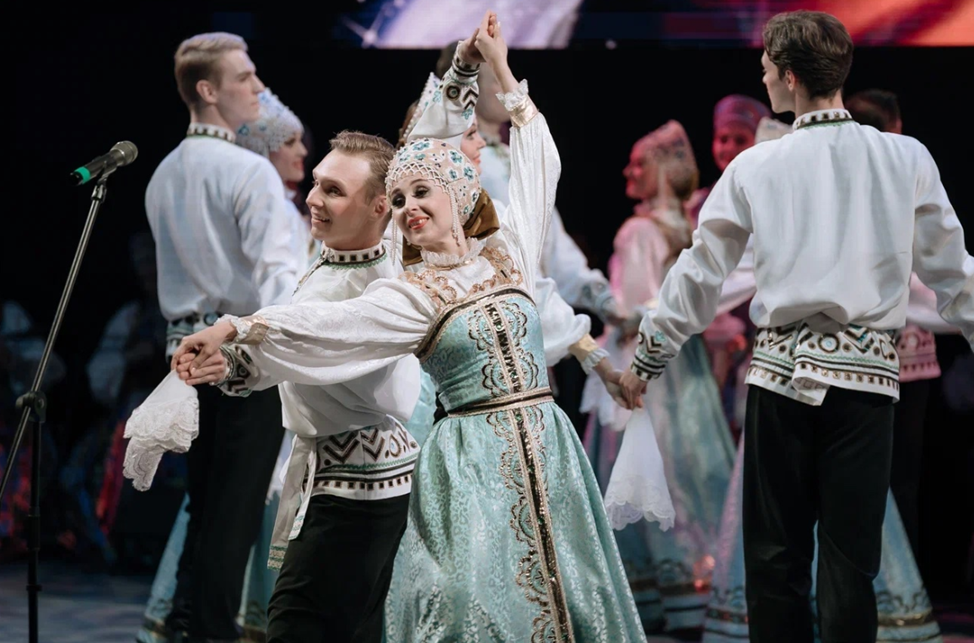
Russian Folk Choir Concert
In this context, exploring the Orenburg region is a vivid example of how immersion in local culture can reveal the true image of Russia and show values that are similar across different nations. By experiencing Russian hospitality, which manifests itself in every home, every celebration, and every interaction, participants realized that such formats of openness and warmth help build trusting and long-lasting international connections. As German Lizandro also shared: “I am very glad you, Russians, invited us. And to be honest, I personally want to learn Russian. This is also a way to express gratitude — after all, you are the host side. We should learn your language. And I know it’s not an easy language, but it’s very beautiful.”
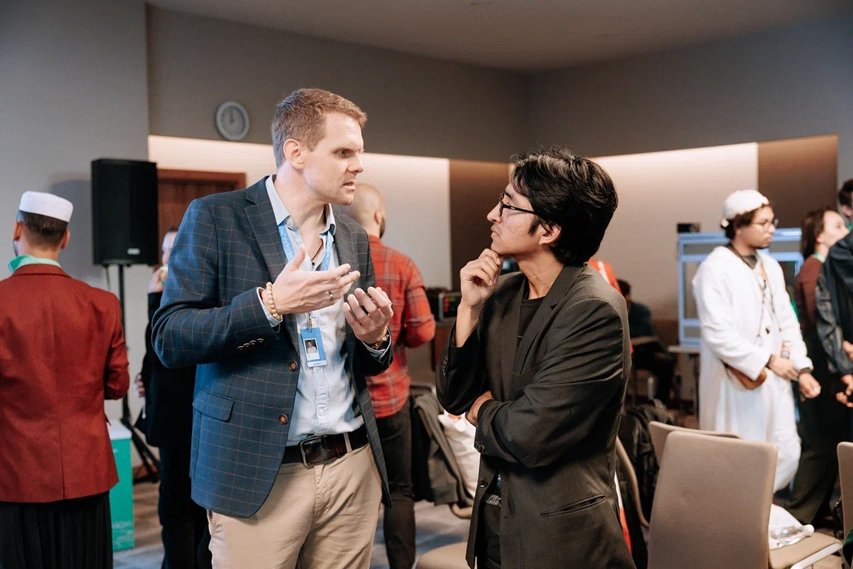
Business Track Highlights
This experience is a valuable example for other countries. It shows that openness to other cultures and the willingness to understand and respect other peoples’ traditions help strengthen intercultural dialogue and mutual understanding. Russia demonstrates its rich culture to the world through hospitality, diverse events, and a sincere desire to share its history.
Interestingly, many participants noted changes in the forum compared to the previous year: everyone observed that this year’s program focused more on cultural activities than on business and networking. Previously, participants delved deeper into the nuances of international cooperation through solving various cases with a limited number of platforms. This year, the organizers emphasized introducing people from all over the world to the rich culture and history of the Orenburg region. Such immersion helped not only to broaden horizons but also to feel the very unity of people beyond national borders. This is an important step towards building a world based on mutual respect and friendship. This experience can inspire other countries to develop their own cultural programs and strengthen international ties through the exchange of traditions and values.
Youth Friendship Knows No Borders. Different Views, Shared Values
The “Eurasia Global” forum is a unique event that brought together young activists from different countries and regions of Russia, creating a platform for exchanging ideas, experiences, and perspectives. Such meetings play a crucial role in today’s world as they allow people from diverse cultural and social backgrounds to find common ground and understand the values that unite them all.
What makes Eurasia Global special is that participants represent different countries, cultures, and views. But it is precisely in this diversity that its wealth lies: different opinions and approaches stimulate dialogue, broaden horizons, and foster critical thinking. According to Aman from Novorossiysk, a forum participant, the main strength of this forum is the people from all over the world, united by one goal — the desire to develop further. Indeed, despite the differences, all participants are united by common ideas — the pursuit of peace, development, mutual understanding, and cooperation. These values form the foundation for building long-term connections and joint projects.
Such meetings are important not only for exchanging knowledge and experience but also for shaping a new generation of leaders capable of working in an intercultural environment. Eurasia Global shows that despite differences in nationality or views, people can find a common language for a shared future. It is an example of how dialogue and respect for other cultures help build bridges between nations. Overall, such forums are a powerful tool for strengthening international cooperation and intercultural dialogue. They demonstrate the importance of joint efforts to solve global challenges and the power of youth as the driving force of change. As Said from Abkhazia, one of the forum participants, put it: “I can say that there is strength in unity. Thanks to such forums, there is youth who will keep the world in friendship and unity.”
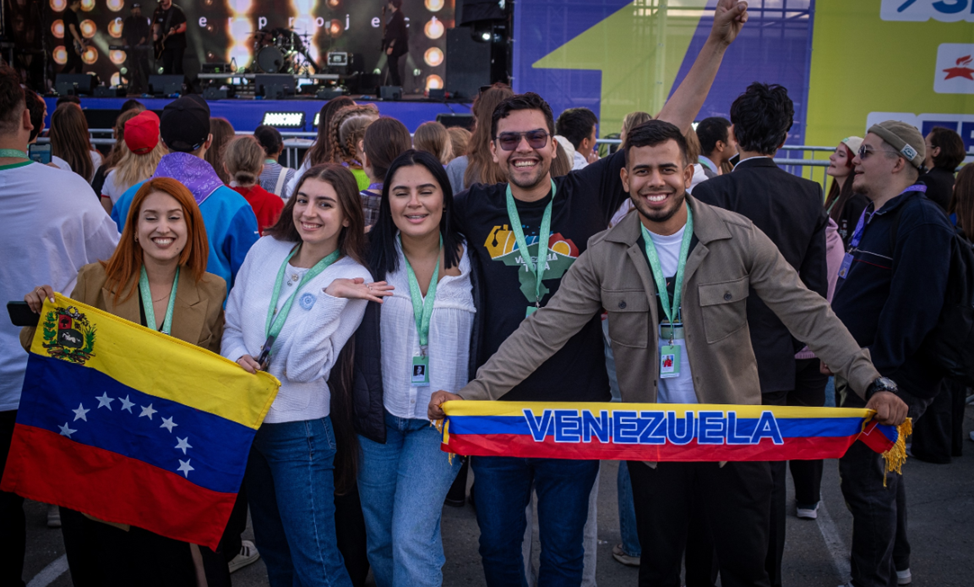
Young leaders from Africa and Latin America, including Venezuela, Peru, Bolivia, Cameroon, Nigeria, the Republic of Guinea, and many others, actively participated in the forum. The countries of these continents strive to strengthen cooperation, share experiences, and establish dialogue with Russia to expand cultural, educational, and informational ties. Within this interaction, special importance is given to youth programs, student exchanges, joint initiatives in education and cultural projects, and participation in international forums like “Eurasia Global.” A vivid example of the successful development of international relations is the feedback from Barry from the Republic of Guinea, one of the forum participants: “What impressed me most in Russia is the culture! And the hospitality — everyone is happy to see you, I was welcomed so well! Thank you so much for that!”

Barry from the Republic of Guinea
Other young leaders also shared interesting thoughts about the forum and the development of international communication today. For example, Jules Keutchanga from Cameroon noted that this forum brings together many countries and people from all over the world. In his opinion, youth from Cameroon and Russia can work together because, when we are young, we can quickly find solutions — we are open and ambitious. Moreover, Ogidan Kayode and Ogbodo Esti from Nigeria emphasized that Eurasia Global is primarily about partnership, including cultural and technological exchange. They spoke positively about the possibility of exchanges between Nigerian and Russian students to help Nigerian youth get to know Russian culture and vice versa. Ogidan Kayode and Ogbodo Esti believe that exchanging ideas will help improve and develop relations between Nigeria and Russia. Prud Zihalirwa from Congo and Diane Bahati from Rwanda agreed that for stable international cooperation, it is important to know your partner’s language — it is necessary to overcome the language barrier. Alicia Rodriguez from Brazil shared her impression that so many people at the forum can share something important about their countries: culture, food preferences, and the issues that matter to them. Thus, participants recognized the positive contribution of “Eurasia Global” in uniting youth from different countries for constructive cooperation in various fields.
Eurasia Global — More Than Just a Forum
In the face of global challenges and the formation of a multipolar world order, it is important to remember that dialogue, cooperation, and mutual respect help build a more stable and harmonious future, which largely depends on the activity of the younger generation. It is also vital to note the need for government support for youth initiatives by creating various platforms for international communication. In this regard, Russia has unique experience in youth policy, demonstrating how the openness and hospitality of the state shape new standards of international youth unity based on shared ideas and values. Events such as the international youth forum “Eurasia Global” play a special role in strengthening international friendship and mutual understanding. The topics discussed at the forum are a reminder that uniting efforts can overcome any difficulties and lead to peace, prosperity, and friendship among nations. Ultimately, such events become the foundation for new long-term partnerships and genuine human connections on a global scale — connections that define the shape of our shared future!