
Consolidated analytical report on 13 macro-regions
By the end of 2025, the global situation is characterized by an intensification of global contradictions and a rise in regional conflicts. The world continues to undergo a shift in the balance of power, with a gradual reduction in the dependence of some countries on others, leading to increased competition for strategic resources, control over key routes, and influence. At the regional level, prolonged conflicts and crises persist, accompanied by humanitarian catastrophes and the weakening of state institutions. In a multipolar environment, leading states and blocs are seeking new alliances, balancing between cooperation and rivalry while strengthening their defense capabilities and strategic ties. On the global stage, the importance of resources is growing, particularly in polar regions, where competition is intensifying and large-scale projects for their extraction and control are being deployed. An analysis of developments across thirteen macro-regions makes it possible to form a comprehensive picture of the current phase of transformation in international relations.
NORTH AMERICA
By the end of 2025, North America experienced political and economic turbulence driven by two main trends. In the external agenda, the dominant issue became confrontation over the USMCA trade agreement: the United States accuses Mexico and Canada of failing to comply with its rules and threatens a unilateral withdrawal in 2026, turning trade into an instrument of geopolitical competition with China. Within the countries of the region, significant political shifts are taking place: in Canada, the opposition is weakening, giving the government greater room to implement its policies. On the international stage, NATO’s top military leadership is predicting a possible division of the world into two competing systems—a Western one and an alternative centered around BRICS. In the United States, domestic political struggle is intensifying following the publication of materials related to the Epstein case, further deepening internal divisions.


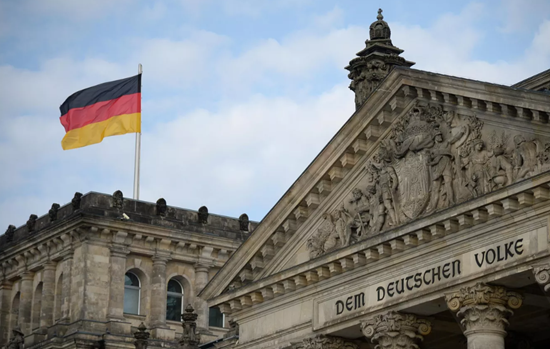
EUROPE During the reporting period, Europe faced a complex crisis affecting its economic, political, and geopolitical foundations. Key trends included growing alarm over the state of the German economy, which for the first time since the country’s founding acknowledged its inability to ensure an improved standard of living for future generations. This reflects a deepening structural crisis linked to population aging, labor shortages, and a weakening export base amid global geopolitical shifts and new trade barriers. At the level of foreign policy, Europe continues to play the role of both observer and participant in diplomatic maneuvering around the Ukraine conflict, where the United States is intensifying its role through bilateral talks with Ukraine and Russia, raising concerns within the EU about its own influence and security. Within the EU, an ideological and political split is intensifying. After prolonged negotiations, Europe reached a compromise on financing Ukraine; however, disagreements over how to use frozen Russian assets, along with growing distrust and criticism from Hungary, Slovakia, and the Czech Republic, highlight a lack of unity and increase the risk of fragmentation.

RUSSIA
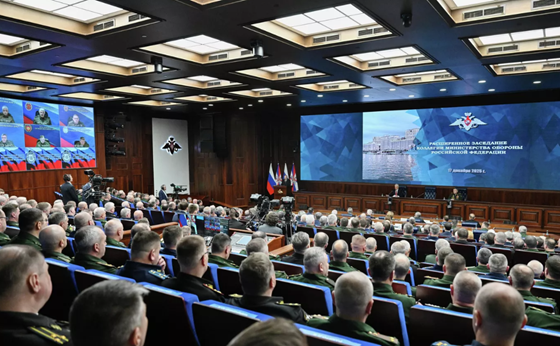
By the end of 2025, Russia intensified the institutional consolidation of its domestic and foreign policy, focusing on systematizing the legal framework, defining strategic priorities in interethnic relations, and developing economic diplomacy within non-Western structures such as the SCO. Domestically, several important decisions were adopted. In the legal sphere, the Supreme Court initiated a process of moving away from European standards and aligning legislation with national law and international treaties. In the field of national policy, a long-term strategy through 2036 was approved, aimed at strengthening civic unity, promoting the Russian language, and shaping migration policy. On the external front, Russia continued to strengthen cooperation within the SCO, promoting ideas of reducing dependence on Western systems, while also entering a new stage of sanctions confrontation following the EU’s decision to indefinitely freeze assets. Russia articulated its principled positions on the settlement of the conflict in Ukraine, rejecting temporary ceasefires and insisting on recognition of the territorial realities achieved. At the end of the year, the large-scale program “Results of the Year with Vladimir Putin” was held, during which the president summarized domestic and foreign policy outcomes.

CAUCASUS
In the South Caucasus region, positive dynamics are observed in diplomatic contacts and international initiatives related to transport corridors and peacebuilding, particularly in the context of relations among Azerbaijan, Armenia, and Georgia. However, Georgia’s domestic and foreign policy faces serious challenges: following its assessment of the situation, the EU has once again called into question Georgia’s status as an EU candidate due to backsliding on democratic principles. At the same time, Azerbaijan is stepping up projects aimed at strengthening transport infrastructure, such as the completion of the Zangezur Corridor, and continues to develop dialogue with NATO on regional security and conflict resolution. In the sphere of international politics, several notable developments are also taking place: in Tashkent, prospects for the development of transport routes and cooperation with the United States were discussed, while Azerbaijan and Armenia are working toward the establishment of peaceful relations and the joint development of infrastructure.
CENTRAL ASIA
In recent months, the region has been shifting from fragmented, ad hoc partnerships toward the formation of deeper political, economic, and humanitarian groupings. This process is strengthening the region’s role as a key Trans-Caspian transport hub and logistics center, enabling a significant expansion of ties with Western markets. Particularly notable is the growing role of Azerbaijan, which is actively expanding the geography of its partnerships and turning the region into a bridge between Europe and Asia. Internally, the region is actively developing its digital infrastructure, as reflected in the organization of forums bringing countries together around digital innovation. These efforts include the deployment of 5G, the development of artificial intelligence, the creation of new information platforms, and the establishment of Trans-Caspian communication channels, indicating the region’s ambition to modernize its economy and enhance competitiveness. Economic transformation also encompasses key aspects of energy and water resources. Kazakhstan and Uzbekistan are helping Kyrgyzstan avoid an energy crisis during the winter by agreeing on mutual supplies and the use of hydropower resources, an issue of particular importance in the context of climate change.
SOUTH ASIA
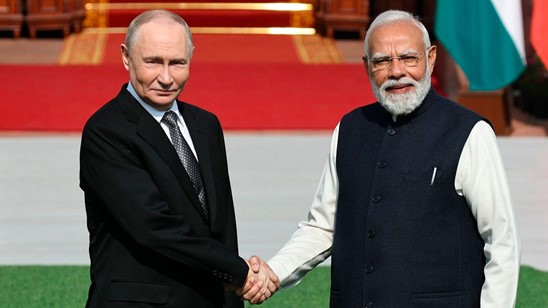
During the reporting period, the region was marked by Vladimir Putin’s visit to India and the approval of the Program for the Development of Economic Cooperation through 2030, which became an important roadmap for the institutionalization and diversification of bilateral ties. Of no lesser significance is military-technical cooperation, which has been ongoing for more than 50 years, with an emphasis on the modernization of India’s armed forces, as well as partnership in shipbuilding within the framework of the Make in India initiative. At the same time, crisis trends were intensifying in the region, particularly along the Pakistan–Afghanistan border, where clashes and ceasefire violations continued, while the situation was further complicated by the activities of terrorist groups such as the Taliban. In parallel, South Asia experienced large-scale natural disasters: a series of floods caused by tropical cyclones hit the region, with Sri Lanka suffering especially severe damage, as Cyclone Ditva led to hundreds of deaths, widespread destruction of infrastructure, and mass evacuations.

SOUTH EAST ASIA
Autumn 2025 in Southeast Asia was marked by a dense agenda of political and diplomatic events, reflecting the close interconnection between domestic developments in regional states and their foreign policy strategies. At the ASEAN summit in Kuala Lumpur, the United States focused on concluding bilateral agreements, intensifying ties with Malaysia, Vietnam, Cambodia, and Thailand. Within the region’s countries, strategic orientations demonstrated a diversity of approaches. Vietnam strengthened its international standing by developing strategic partnerships with the United Kingdom, Algeria, and the EU, as well as expanding cooperation with the United States, which enhanced its influence while increasing economic dependence. Indonesia, amid domestic protests, hosted a foreign policy conference, declared a transition toward a multipolar world, and granted Suharto the title of national hero, a decision that sparked internal controversy. The Philippines, facing protests and the aftermath of a typhoon, continued to pursue a course of strengthening its alliance with the United States, expanding defense cooperation in the South China Sea despite criticism over growing dependence on Washington and potential constraints on sovereignty. In Myanmar, the humanitarian and political crisis following the military coup persisted, exacerbated by an earthquake and socio-economic problems, posing serious challenges to regional security and limiting the effectiveness of ASEAN’s efforts to resolve the situation.
EAST ASIA AND THE ASIA-PACIFIC REGION
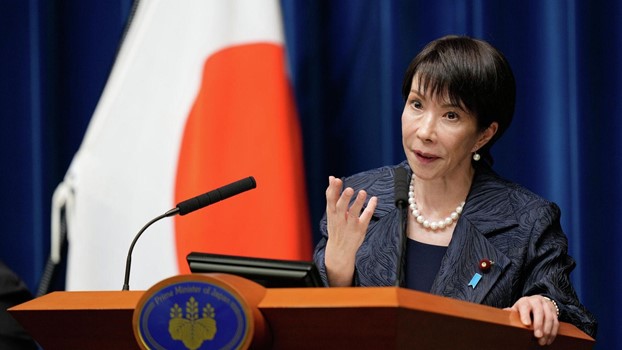
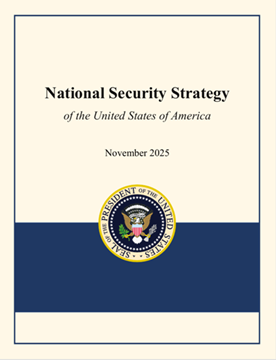
The key driver of change in the region during the reporting period was the publication of the National Security Strategy (NSS 2025) by the Donald Trump administration, which transformed traditional alliances into more transactional relationships. In response, Japan, under Prime Minister Sanae Takaichi, has continued its course toward greater strategic autonomy. South Korea is balancing between strengthening its military alliance with the United States and actively normalizing relations with China. For its part, Beijing is pursuing a firm yet calculated policy of confrontation. The crisis of trust is pushing regional partners toward accelerated development of their own military capabilities (including South Korea’s nuclear-powered submarines and increased defense spending by Japan) and toward seeking greater autonomy. This shift is taking place against the backdrop of sustained — and even deepening — critical economic ties, such as the growth of Chinese rare earth exports to Japan. This interdependence is becoming a defining feature of the new regional reality.

OCEANIA AND AUSTRALIA
Within Oceania, the EU continues its efforts to secure energy and technological independence by investing in the extraction of rare earth metals in Australia, seeking to compete with China and the United States in high-tech and defense sectors. Australia and New Zealand, by participating in arms procurement programs for Ukraine, are enhancing their international roles and strengthening ties with NATO. At the same time, Australia became the first country in the world to introduce a strict ban on the use of social media by minors, imposing significant restrictions on the operations of major platforms such as Facebook, Instagram, and TikTok, with the aim of limiting their impact on younger generations and strengthening control over the digital environment.
THE MIDDLE EAST
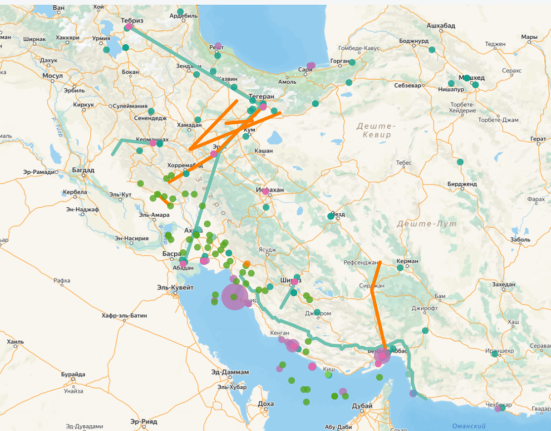
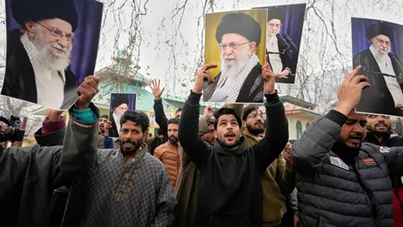
December 2025 in the Middle East demonstrated the persistent complexity of the situation, with the evolution of multiple crises reflecting the region’s deep-rooted contradictions. Israel’s decisions to formalize settlements in the West Bank, despite international criticism and UN assessments, continue to heighten tensions and cast doubt on the prospects for a Palestinian–Israeli settlement. Efforts to implement ceasefire agreements in Gaza are facing setbacks due to non-compliance with key conditions, primarily regarding the release of hostages, which is slowing reconstruction efforts and exacerbating humanitarian challenges. At the same time, the issue of Iran’s nuclear program remains unresolved: despite statements by the IAEA pointing to insufficient oversight and a lack of information necessary for verification, Iran is revising its cooperation with inspectors. This development deepens uncertainty in the region and undermines the trust of the international community.
LATIN AMERICA
The situation in Latin America and the Caribbean was marked by a combination of internal crises and foreign policy dynamics. Within the region, significant developments are taking place: presidential elections in Honduras are highlighting political competition and the struggle over external alliances, while Haiti continues to face a humanitarian catastrophe under the control of armed gangs, leading to deaths and mass displacement. In Cuba, one of the most acute issues remains the energy crisis, manifested in systemic power outages that are worsening living conditions for the population. On the international stage, there has been increased activity by U.S. law enforcement agencies seeking to hold drug cartel leaders accountable, alongside the strengthening of regional alliances among countries opposing Washington’s policies.
AFRICA
By the end of 2025, the African continent is facing a deep crisis of state institutions and increasing regional fragmentation. In North Africa, paralysis of governance is evident in Libya amid demands for elections, while in West Africa terrorism and economic blockades are leading to the loss of central government control over peripheral and key territories. East Africa is undergoing a redistribution of power driven by military and diplomatic initiatives of external actors such as Egypt, the United States, and Saudi Arabia, as they attempt to stabilize the situation. Central Africa is showing a trend toward the legitimization of authoritarian regimes through elections backed by external military support, while in Southern Africa political instability is growing, with the risk of a final breakdown of regional structures.
THE ARCTIC It can be observed that the Arctic region has become an arena of strategic competition and diplomatic maneuvering among leading global powers. The United States, Denmark, and Norway are intensifying their efforts by creating new surveillance and defense mechanisms, while also paying particular attention to the fate of Greenland — a strategic island rich in resources and of key importance to Arctic geopolitics. This interaction includes unconventional measures, such as Denmark’s “night watch” monitoring of Trump’s movements, as well as ambitious plans to expand the U.S. icebreaker fleet, underscoring the region’s significance for national security and economic interests. Cooperation between the United Kingdom and Norway involves joint patrols and infrastructure development aimed at monitoring potential threats from Russia. At the same time, the United States is developing the “Arctic Sentinel” program to monitor and counter the influence of China and Russia, highlighting growing competition for control over a region with critical natural resources and strategic importance.


Based on a detailed review of developments across the macro-regions, several key interrelated trends can be identified that shaped the overall dynamics of November–December 2025. These processes are not entirely new; however, during the reporting period they manifested themselves with particular clarity and a strong degree of mutual reinforcement, demonstrating the systemic nature of the transformation of international relations.
1. Intensification of multipolarity and confrontation between Western and alternative systems
By 2025, the global system has clearly become multipolar, with leading countries and groups of countries strengthening their independent development paths and foreign policy orientations, thereby reducing the dominance of traditional Western powers, particularly the United States and the EU. This trend manifests itself in three key dimensions.
First, the EU and other Western countries are imposing permanent sanctions on Russia and a number of other states, creating a need to seek alternative financial, trade, and technological systems. Moreover, the EU has announced the indefinite freezing of Russian assets; as a result, this compels Moscow and other countries to look for new mechanisms for international settlements and cooperation.
Second, Russia and China are deepening integration and advocating the creation of their own financial, technological, and transport systems in order to avoid dependence on Western structures. At the same time, the emergence of new global and regional groupings can be observed, including the Eurasian Economic Union, Russia’s and China’s participation in initiatives such as the Belt and Road, the development of Trans-Caspian transport corridors, and the expansion of BRICS.
Third, the formation of new technological and economic standards is proceeding at full speed. Countries and regions, having abandoned Western technological systems or minimized their dependence on them, are creating their own platforms and infrastructures. This contributes to the diversification of the global technological base and reduces vulnerability to sanctions or the loss of access to Western solutions.
Russia and the CIS countries are developing and expanding the use of the Mir payment system or similar national systems to ensure financial independence. China and Russia are promoting their own alternatives to Western payment networks, while also actively developing the digital yuan. An independent ecosystem is emerging for the development of AI, cloud technologies, and telecommunications. For example, plans are already in place to advance 5G, 6G, and AI operators led by Chinese and Russian technology giants such as Huawei, Yandex, and Rostelecom.
Thus, the gradual weakening of the unipolar system and the active strengthening of multicentric structures mean that by the end of 2025 the global arena is increasingly divided among several independent powers and alliances, each with its own rules and standards, marked by the rise of regional centers of power and growing resistance to Western influence.
2. Regional reorientation and integration as a response to external pressure
The countries of the South Caucasus and Central Asia are seeking to strengthen their internal economic and transport cooperation by developing transport corridors, infrastructure, and new formats of collaboration in order to reduce their dependence on external centers of influence. This course enables them to enhance their sovereignty, ensure greater independence, and respond more effectively to geopolitical challenges. The main features of this process manifest themselves in several forms:
First and foremost, the strengthening of transport corridors and infrastructure should be noted, particularly through the creation and development of new transit routes. Countries in the region are proactively developing rail, road, and maritime links in order to turn their territories into key nodes of international transport chains. For example, projects such as the “New Silk Road” are being implemented, including the construction of routes through Kazakhstan, Turkey, Iran, Kyrgyzstan, and others, aimed at connecting Europe, Asia, and the Middle East without reliance on Western or Russian systems. At the same time, airports, ports, railway stations, and highways are being actively restored and modernized. This increases throughput capacity and makes the regions more attractive for international cargo flows.
Second, there is growing development of indigenous digital and energy infrastructure. Countries in the region are initiating projects for the transmission of electricity, gas, and oil across their territories, thereby forming new energy hubs. At the same time, local data centers, communications networks, and joint platforms are being established to ensure digital autonomy and resilience.
Third, new formats of cooperation are emerging within the region. The countries of the South Caucasus and Central Asia are establishing joint energy systems and energy hubs, harmonizing standards, and strengthening cooperation in hydropower, solar, and wind energy. Moreover, regional platforms are being developed, along with joint projects in cybersecurity, local payment systems, and digital currencies. Free trade agreements, joint industrial zones, and technological clusters are also being introduced, all of which enhance self-sufficiency and reduce dependence.
Thus, internal integration initiatives are making the countries of the region more attractive for investment, cargo flows, and business partnerships. In the context of sanctions risks, political constraints, and conflicts, domestic markets are seeking ways to expand their own autonomy and strengthen ties with one another.
3. Conflicts and crises as drivers of international instability
Ongoing local conflicts, geopolitical contradictions, and the crises associated with them are creating an unstable and dangerous global environment. Internal conflicts, the escalation of territorial disputes, natural disasters, and social protests are heightening tensions on the international stage, triggering chain reactions of conflict situations and crisis processes. This interconnection manifests itself in several key aspects:
First, there is an escalation of conflicts in the Middle East and the Caucasus. Conflict zones such as Syria, Iraq, Yemen, and the Israeli–Palestinian confrontation remain active or are intensifying due to new protests and clashes. In addition, new outbreaks of violence are possible, along with intensified competition for influence among major powers (the United States, Russia, Iran, Turkey, and Israel), which contributes to the expansion of regional instability. Growing disputes over Nagorno-Karabakh, internal protests, and pressure from various states may lead to armed conflicts or a further deterioration of stability. New clashes and terrorist attacks are also possible, posing serious threats to regional security.
Second, clashes of interests among Russia, the United States, the European Union, China, and the BRICS countries are leading to intensified competition and, at times, to conflicts in the form of covert or overt confrontations. It is important to note that conflicts in one region often trigger destabilization in neighboring states, turning local clashes into broader crises and thereby expanding conflict fronts.
Third, there is an escalation of new crises in both the natural and political spheres. Natural disasters (earthquakes, floods, droughts, hurricanes) often exacerbate social and political crises, leading to mass protests and internal instability. Economic downturns, deteriorating living conditions, and domestic discontent (for example, protests in Libya, Iran, and Venezuela) are further intensifying internal destabilization. In addition, attempts at destabilization in the technological domain have become more frequent, including election interference, cyberattacks, and the spread of disinformation.
Thus, the facts outlined above may contribute to the escalation of existing conflicts or the emergence of new ones, further complicating the situation and increasing the risk of unpredictable crisis scenarios.
4. Growth of regional and global initiatives in digital and energy technologies
By 2025, global and regional development is increasingly oriented toward the adoption of advanced technologies — 5G, artificial intelligence (AI), blockchain, and other digital solutions — as well as toward competitive efforts to secure access to rare earth metals essential for the production of modern electronics and energy systems. These initiatives are shaping new global and regional trade routes and are manifested in the following key aspects:
First, countries are actively developing fifth-generation (5G) networks, which provide higher internet speeds, lower latency, and new opportunities for smart cities, Industry 4.0, transportation, and healthcare. In some regions, these initiatives are linked to the creation of secure and independent networks in order to strengthen digital sovereignty. There is also widespread deployment of AI for the automation of production, data analysis, intelligence, intelligent management systems, and defense. Countries are competing over research, investment, and standards in order to secure leadership in this field. At the same time, regional platforms and standards are being established to protect data, reduce foreign technological influence, and build indigenous digital infrastructure, thereby increasing regional influence.
Second, competition for rare earth metals and the resource base continues to intensify. Rare earth elements (such as neodymium, dysprosium, and europium) are essential for the production of magnets, batteries, and electronic components. Control over their extraction and processing is key to technological and energy sovereignty. Countries such as China, the United States, Australia, Russia, and several African states are developing their own resource bases, building strategic reserves, and investing in processing capacities. In regions such as Central Asia and Latin America, initiatives to expand extraction and develop infrastructure for rare earth metals are gaining momentum. In addition, alternative transportation and processing routes are being established to reduce dependence on any single country or center.
Third, new trade routes are being created and competition for economic influence is intensifying. The integration of technological and energy projects is shaping new trade pathways, for example through the development of supply chains for rare earth metals, energy resources, and high-tech products across regions. Regional alliances and platforms are being developed in order to become hubs for technology adoption and exchange, thereby influencing the global order. At the same time, the intensification of technological and resource competition is driving the formation of new strategies and alliances, directly affecting the geopolitical struggle for economic and technological leadership.
Thus, technological and resource initiatives are gradually becoming powerful drivers of global politics, creating new trade routes, strengthening the influence of leading countries and regions, and shaping the level of digital and energy autonomy on the international stage.
PROBABLE DEVELOPMENT SCENARIOS
Based on the analysis of current trends, several probable scenarios for the development of the international situation in the short- and medium-term perspective can be outlined.
Scenario 1. Escalation of conflict on the geopolitical arena
An escalation of conflict on the global stage could become one of the most dangerous scenarios in the coming years. The key drivers of this scenario are the desire of major powers to strengthen their positions and protect national interests amid global challenges such as technological competition, energy crises, climate change, and internal instability.
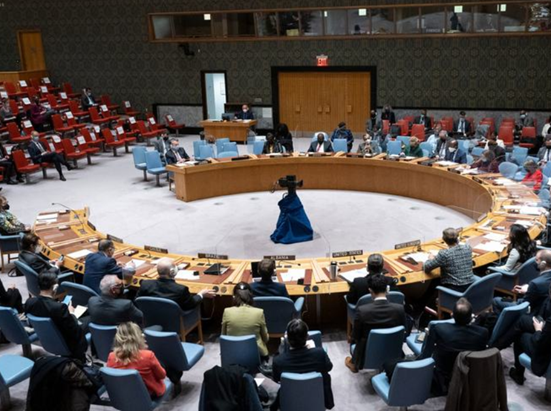
Countries may begin expanding military exercises, increasing the presence of armed forces, and showcasing advanced weaponry — such as hypersonic missiles, unmanned systems, and cyber forces. There is a high likelihood of widespread sanctions, retaliatory measures, diplomatic ruptures, and the implementation of emergency actions. Levels of cyberattacks, information warfare, and psychological operations are expected to rise. Delayed or mismanaged conflict resolution, insufficient diplomatic efforts, and high force mobilization could lead to large-scale armed clashes, causing significant destruction and loss of life. In the event of escalation, conflicts could spill beyond individual regions, evolving into a global threat. International organizations, such as the UN, may prove powerless or severely limited in their capacities. This could result in the formation of new alliances and blocs, increased militarization, and an arms race. The consequences of this scenario would be severe: potential surges in oil prices, energy crises, disruptions in the supply of goods, mass migration flows, social unrest within countries, and the expansion of conflicts into new territories.
Scenario 2. Economic instability and technological challenges
The global economy continues to face a range of serious challenges arising from a complex set of interrelated factors. The energy crisis — driven by high prices for oil, gas, and other energy resources, as well as sanctions and supply disruptions — could lead to increased costs for businesses and households in many countries. Consequently, this may trigger a chain reaction of rising prices for goods and services, worsening economic indicators, and further deteriorating living standards. At the same time, the food crisis, resulting from shortages of grain, water, and the impacts of climate change, is likely to drive up food prices and create a risk of hunger in vulnerable regions worldwide.
Against the backdrop of these crises, global economic shocks are expected to intensify: inflation, rising debt, declining investment, all manifesting in higher unemployment and growing social discontent. In addition, competition in the technological sphere is becoming a central component of modern threats. Cybersecurity will become a top priority — as the expansion of digital infrastructure increases the risk of cyberattacks on critical systems, including energy, transportation, banking, and military networks. In the event of conflicts, malicious actors may employ cyber warfare to disrupt state functions or steal sensitive information, heightening the need for stronger protections and the development of new information security technologies. Collectively, these processes create risks of new arms races and technological conflicts. Countries may begin investing heavily in modern weapons based on emerging technologies, further increasing militarization and the risk of large-scale confrontations. At the same time, certain states or blocs could become isolated, fragmenting information networks and infrastructure and deepening the division of the world into technological and political blocs.
Scenario 3. Geopolitical redistribution of influence and strengthening of regional centers
Traditional superpowers such as the United States, China, and Russia are facing challenges that limit their ability to maintain a dominant position on the global stage. In response, new regional organizations and strategic alliances are emerging and strengthening, beginning to play a key role in international affairs. Regional centers are starting to influence the development of regional economies, politics, and security. For example, the BRICS bloc is becoming more influential, promoting alternative systems of global governance and balancing the interests of Western states. Similarly, ASEAN is increasing its influence by initiating joint projects in infrastructure, trade, and security, thereby strengthening sovereignty and reducing dependence on external actors. Additionally, various regions are forming their own blocs focused on regional interests, creating a balance of power among major states. Against this backdrop, the influence and effectiveness of traditional international institutions, such as the UN and the World Trade Organization, are weakening, giving way to regional agreements and alliances. All of these processes result in the concentration of influence and advantages in the hands of regional centers, which can not only stabilize their own regions but also exert significant impact on the global order.