
Prud Zihalirwa is a young entrepreneur from the Republic of Congo specializing in digital communications and marketing. He is passionate about digital technologies and strives to promote human rights, as well as education and Internet regulation issues. As a youth ambassador for the Panzi Foundation (a non-profit organization headquartered in Bukavu, Democratic Republic of the Congo. The organization provides comprehensive medical and psychological support, helps to restore the lives of victims and give them hope for the future.) Pond works to promote social justice and support vulnerable segments of society. In this article, the author reflects on the constantly escalating conflict in the Democratic Republic of the Congo.
A CONFLICT IGNORED BY THE WORLD
The Democratic Republic of Congo (DRC) has been embroiled in a complex and multifaceted conflict for decades, with roots tracing back to colonial times and exacerbated by recent political and economic factors. I want to look at the historical context, the role of natural resources, foreign intervention, and the humanitarian crisis that has engulfed the country, particularly affecting cities like Goma. The DRC’s borders were drawn by European colonial powers, grouping diverse ethnic groups together, which has led to ongoing ethnic tensions. The colonial practice of “divide and rule” exacerbated these tensions, creating long-lasting rivalries and grievances. The legacy of colonialism continues to influence the political landscape, with many groups seeking greater autonomy or control over resources.

In the late 1990s, Laurent-Désiré Kabila rose to power with the support of the Alliance of Democratic Forces for the Liberation of Congo AFDL, backed by Rwanda and Uganda. This alliance successfully ousted Mobutu Sese Seko in 1997 but soon found itself at odds with its former allies. The tensions between Kabila and his backers led to the outbreak of the Second Congo War in 1998, drawing in several neighbouring countries and further destabilising the region.
The DRC is rich in valuable minerals such as cobalt, copper, diamonds, gold, coltan, and tin. The exploitation of these resources has been a significant driver of prolonged conflicts between groups. Armed groups, including the M23, have used control over these resources to finance their operations. The desire to exploit these resources has attracted foreign interests, contributing to the instability in the region.
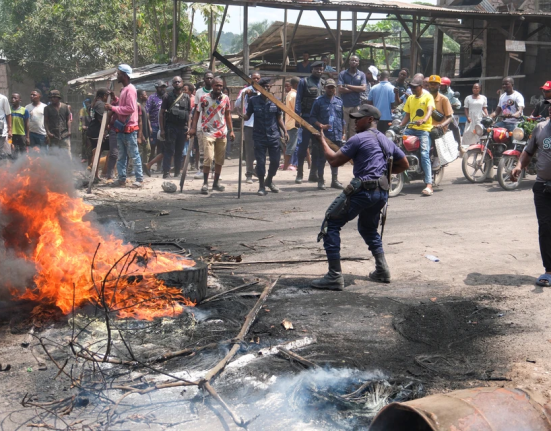
Foreign intervention, particularly from neighbouring countries like Rwanda and Uganda, has played a significant role in the conflict. Rwanda’s involvement is often linked to its desire to secure strategic territory and exploit the DRC’s mineral resources. The M23, a Rwanda-backed rebel group, has been instrumental in recent violence, particularly in the eastern DRC. Goma, a city in the North Kivu province, has been severely affected. The city fell under M23 control, leading to chaos and terror, with significant civilian casualties, destruction of infrastructure, and a severe humanitarian crisis.
Hospitals are overwhelmed, food is scarce, and essential services like banking and air travel have been disrupted. There is a severe humanitarian crisis, with millions displaced and widespread human rights abuses reported. Organisations like Médecins Sans Frontières are working to provide aid, but their efforts are insufficient given the scale of the crisis.
Despite the severity of the crisis, the international community has been criticised for its lack of decisive action. The United Nations and regional organisations like the Southern African Development Community SADC have failed to impose a lasting solution. This inaction highlights the fragility of international security systems and the inefficiency of humanitarian interventions.
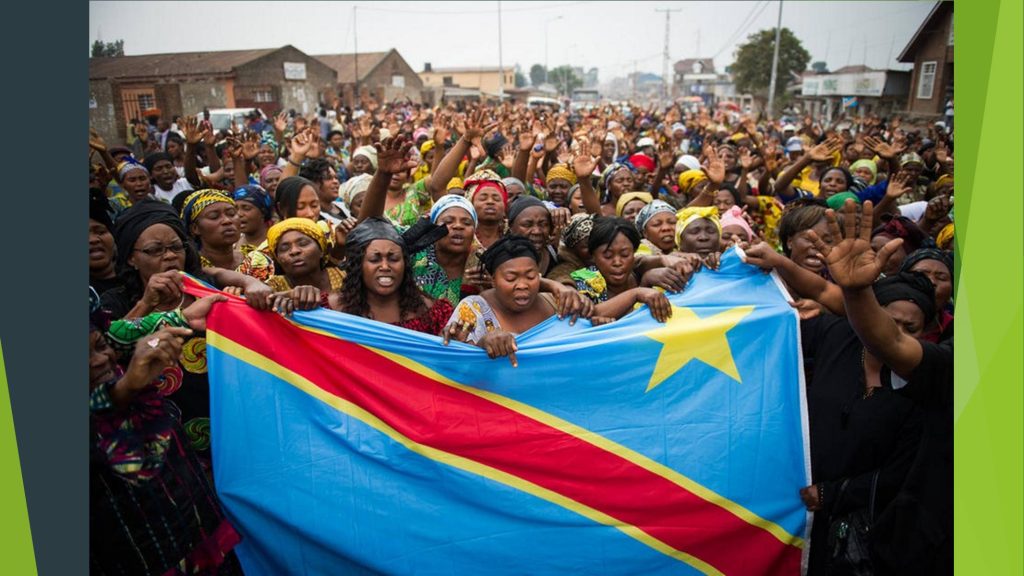
The situation in Goma and the broader DRC demands urgent attention from the global community. The world must acknowledge the suffering of the Congolese people and takes concrete steps to address the conflict. Only solidarity and consistent support can break the cycle of violence and allow the Congolese to rebuild their future. The conflict in the DRC is a result of historical political tensions, ethnic divisions, and the exploitation of natural resources. We ask that the international community recognise the gravity of this situation and act decisively to prevent further suffering. Only through collective action can we hope to bring peace and stability to the region.
Key Minerals in the Democratic Republic of Congo
Cobalt ; copper , diamonds, gold, coltan tantalite, tin. These resources have attracted foreign interests, contributing to the instability in the region.
The Role of the M23 and Rwanda
The M23, supported by Rwanda, has been a major force in the recent violence in the DRC. Rwanda’s involvement is driven by a desire to control the DRC’s mineral resources and secure strategic territory. This has led to significant human rights abuses and displacement of civilians.
Economic Impact
The conflict has severely impacted the local economy, disrupting trade and in vestment. Rebuilding economic infrastructure is crucial for long-term stability. This involves investing in sectors such as agriculture and manufacturing, which can provide employment opportunities and stimulate growth.
Conclusion
There is need for political reforms, for humanitarian aid, and for international cooperation. The conflict in the DRC is a complex issue requiring a multifaceted approach. By understanding the historical context, addressing the exploitation of natural resources, and supporting political reforms, we can work towards a more stable future for the Congolese people. It is crucial that the international community remains committed to finding a lasting solution to this crisis.